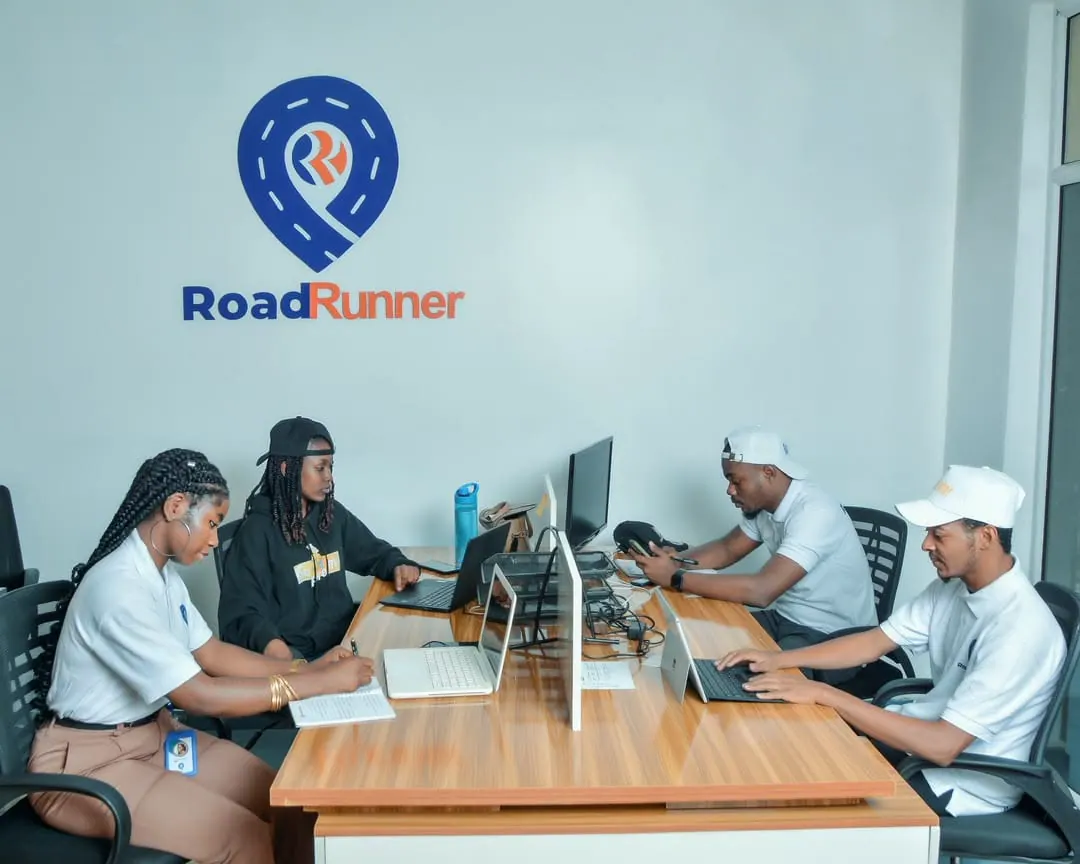
In 2022, Nigerian entrepreneur Engr. Mustapha Ibrahim launched RoadRunner, a mobility technology venture with a vision of e-hailing, parcel delivery, and electric mobility. However, the business soon faced a significant obstacle: insufficient capital to sustain its ambitious plans. With the team having to shrink due to financial constraints, Ibrahim was forced to make a critical decision that would determine the future of RoadRunner.
Ibrahim chose to preserve the core technology and continue developing the business around partnerships, strategic relationships, and a more infrastructure-focused model. This decision required strategic clarity and intellectual humility, as he had to shrink the company to survive. As the founder, known publicly as the Ajebo Hustler, navigated this challenging period, he transformed RoadRunner from a consumer-facing delivery app to an infrastructure and partnership-driven platform.
The transformation of RoadRunner was influenced by Ibrahim's experience with a missed delivery in 2019, which sparked a vision of a continent where goods, services, and people move with reliability and efficiency. This vision evolved into a platform designed to become the operating system for African mobility, encompassing e-hailing, ride-sharing, parcel delivery, and commuting, with long-term ambitions in electric mobility and financing structures.
As RoadRunner downsized, Ibrahim refocused the strategy on electric vehicles and the infrastructure to support them. He traveled to China, engaging directly with manufacturers, including a visit to Yadea in Wuxi, to understand the ecosystem that would make electric mobility viable in African cities. This pivot was not a retreat but a strategic re-architecture, positioning RoadRunner as a vertically integrated ecosystem.
Ibrahim's journey has taught him to value patience over speed and restructuring over rigidity. Progress, he learned, sometimes means narrowing the immediate operation while retaining the longer-term purpose. His experience with RoadRunner has shown that vision is important, but resilience is what gives vision a chance to become reality.
Ibrahim's philosophy, embodied in his name "Ajebo Hustler," signifies both his strategic sophistication and street-level tenacity. His story offers a counter-narrative to the mythology of the overnight success, reminding that entrepreneurs are not defined by their victories but by their refusal to accept defeat when the odds are insurmountable.
The RoadRunner story is not yet a triumphant narrative of market dominance but an instructive tale of what it takes to survive the middle stage of a startup. Ibrahim's account provides a view of entrepreneurship during a difficult middle stage, and it is a story that is far from over.
Key points
- Mustapha Ibrahim transformed RoadRunner into a continental mobility vision despite insufficient capital.
- Ibrahim's journey taught him to value patience and resilience in the face of adversity.
- RoadRunner's story serves as an instructive tale of surviving the middle stage of a startup.