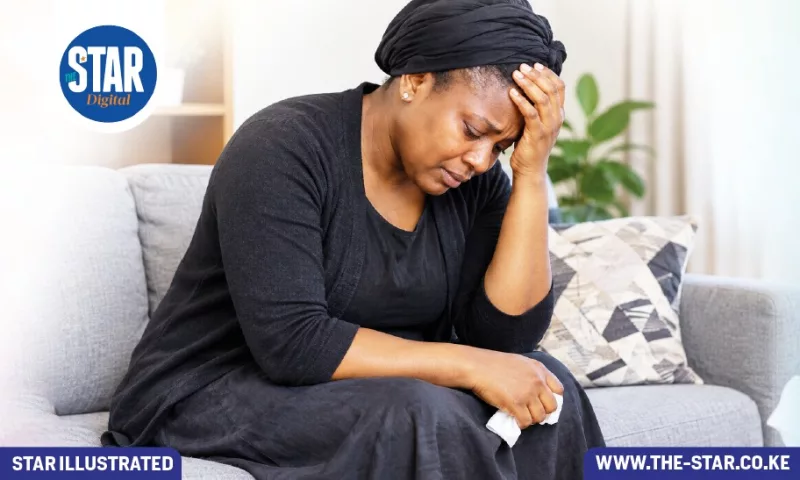
Grief is a natural emotional response to losing someone or something significant, and it can have a profound impact on both mental and physical well-being. According to health experts, grief can manifest in various ways, affecting individuals differently. It is essential to acknowledge that grief is a normal process that people experience when they encounter a loss. In Kenya, as in many other countries, grief is a common experience that can be triggered by various events, including the loss of a loved one, a relationship, or even a significant change in life.
The physical symptoms of grief can be diverse and debilitating. Disruptions in sleep patterns are common, with some people experiencing insomnia while others sleep excessively. Additionally, grief can cause stomach problems, such as nausea, stomach cramps, and diarrhea, as well as appetite changes. Headaches and body aches are also common physical complaints associated with grief. These physical symptoms can be distressing and may impact daily life, making it challenging for individuals to carry out their usual activities.
Grief can also have a significant impact on mental health. Anxiety, worry, and uneasiness are common emotional responses to loss, as stress hormones increase in the body. In some cases, severe emotional distress can affect the heart, highlighting the importance of paying attention to physical and emotional changes during bereavement. It is crucial for individuals experiencing grief to seek support from loved ones, mental health professionals, or support groups to manage their emotions and develop coping strategies.
The effects of grief on mental health can be long-lasting if not addressed. Research has shown that prolonged grief can lead to depression, anxiety disorders, and other mental health conditions. In Kenya, mental health professionals are working to raise awareness about the importance of mental health and provide support to individuals experiencing grief and other mental health challenges. By acknowledging the impact of grief on mental health, individuals can take steps to manage their emotions and seek help when needed.
In Kenya, various organizations and support groups are working to provide assistance to individuals experiencing grief. These organizations offer counseling services, support groups, and educational resources to help individuals cope with loss. For example, some hospitals and mental health clinics offer bereavement counseling services to support individuals and families dealing with grief. Additionally, online resources and helplines are available to provide support and guidance to those experiencing grief.
It is essential to recognize that grief is a unique experience for each individual, and there is no "right" or "wrong" way to grieve. The grieving process can be influenced by various factors, including cultural background, personal experiences, and support systems. By acknowledging the complexities of grief and providing support to those experiencing it, we can work to promote emotional and physical well-being in Kenya and beyond.
As the Kenyan population continues to grow and evolve, it is essential to prioritize mental health and provide support to individuals experiencing grief and other mental health challenges. By working together to raise awareness about mental health and provide resources to support those in need, we can promote a culture of care and compassion in Kenya. This can involve encouraging open discussions about grief and mental health, providing access to mental health services, and supporting organizations that offer bereavement counseling and support.
Key points
- Grief can have a significant impact on both mental and physical health.
- The physical symptoms of grief can be diverse and debilitating.
- Support systems, including counseling services and support groups, are essential for individuals experiencing grief.