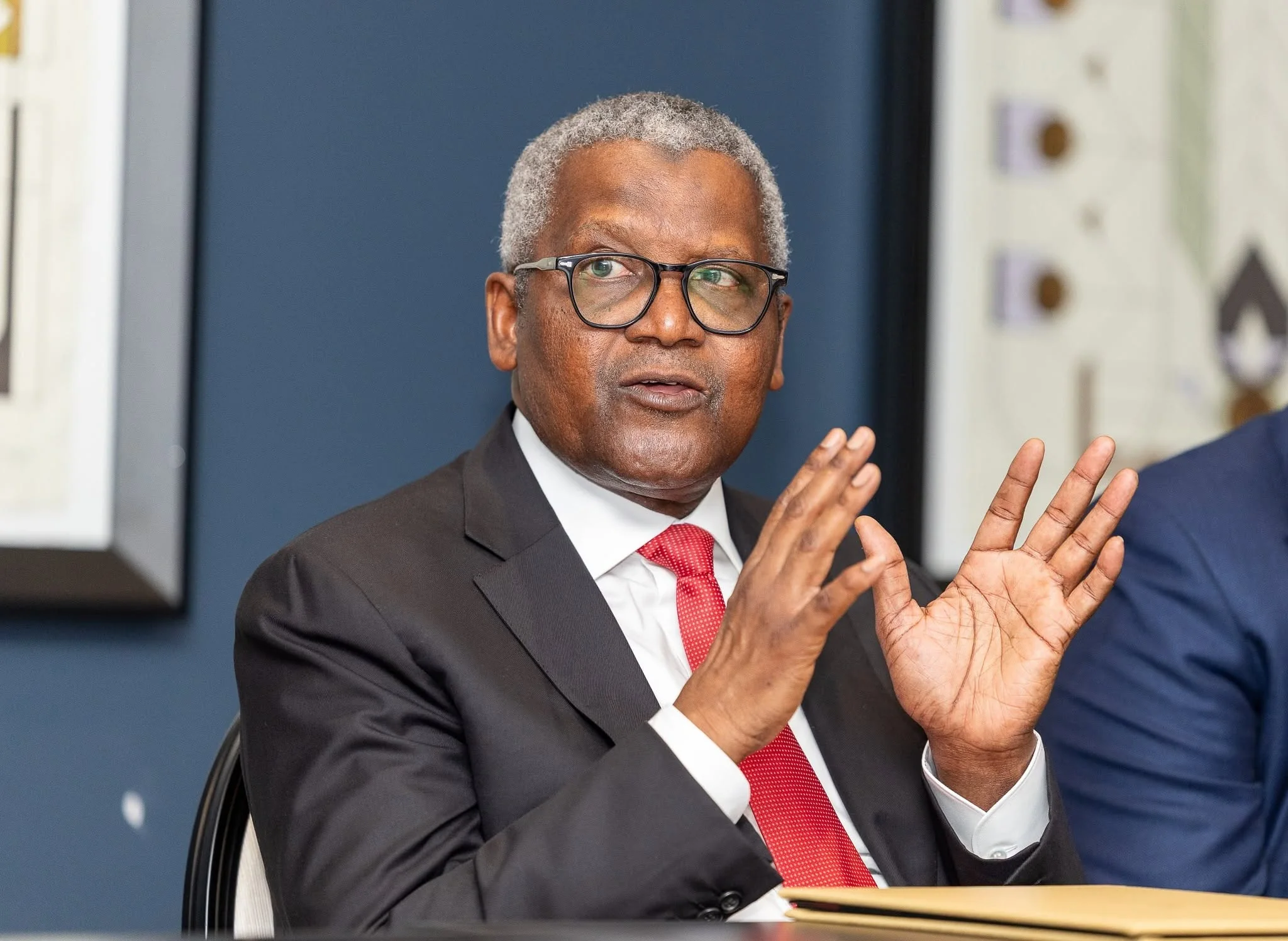
Nigerian businessman Aliko Dangote is set to attend the groundbreaking ceremony for the proposed Sh2 trillion East African Refinery in Lamu, Kenya, on September 30, 2026. President William Ruto will lead the ceremony, marking Dangote's entry into Kenya's energy sector. The proposed refinery will have a capacity of 700,000 barrels per day, making it the largest of its kind in East Africa. It is expected to produce refined petroleum products for Kenya and other regional markets.
Aliko Dangote's business journey began with a family rooted in trade. Born on April 10, 1957, Dangote came from a wealthy Hausa Muslim family with deep links to commerce in Kano, Nigeria. His mother, Mariya Sanusi Dantata, belonged to the influential Dantata trading family, while his father, Mohamed Dangote, was a businessman and associate of the Dantatas. This family connection to business played a significant role in shaping Dangote's entrepreneurial spirit.
Dangote's great-grandfather, Alhassan Abdullahi Dantata, was a prominent merchant in West Africa during the British colonial era. He made his fortune through the trade of commodities such as kola nuts and groundnuts and was considered one of the wealthiest men in West Africa when he died in the 1950s. Dangote's name, Aliko, means "the victorious one who defends humanity," which may have influenced his later life and achievements.
Dangote received early religious education at a madrasa before proceeding with his formal studies at Government College. He later attended Al-Azhar University in Cairo, where he studied Business Studies and Administration. After completing his studies, Dangote returned to Nigeria and entered the trading business with financial backing from his family. He secured a loan from his uncle and began dealing in commodities, including rice, sugar, and cement.
In 1978, Dangote formally started his career in commodity trading, which eventually developed into the Dangote Group three years later. The company initially focused on importing and trading commodities but gradually moved into manufacturing, particularly in the 1990s. Cement became one of the key areas of expansion, helping the company develop from a trading business into a large industrial group.
Today, Dangote Group has interests in various sectors, including cement, sugar, salt, flour, fertiliser, petrochemicals, energy, and infrastructure. The group operates across several African countries, and its cement business has become one of the continent's leading producers. Forbes estimated Dangote's net worth at about $31.4 billion as of September 2026, making him widely regarded as Africa's richest person.
The planned Lamu refinery adds another major project to Dangote's expanding portfolio. With an expected capacity of 700,000 barrels per day, the facility is projected to supply refined petroleum products to Kenya and markets beyond its borders, potentially serving more than five African countries. This new project places Dangote's long business journey in a new setting: Kenya's growing energy and industrial landscape.
Key points
- Aliko Dangote's business empire began with a family rooted in trade and commerce in Kano, Nigeria.
- Dangote's great-grandfather, Alhassan Abdullahi Dantata, was a prominent merchant in West Africa during the British colonial era.
- The planned Lamu refinery is expected to have a capacity of 700,000 barrels per day, making it the largest of its kind in East Africa.