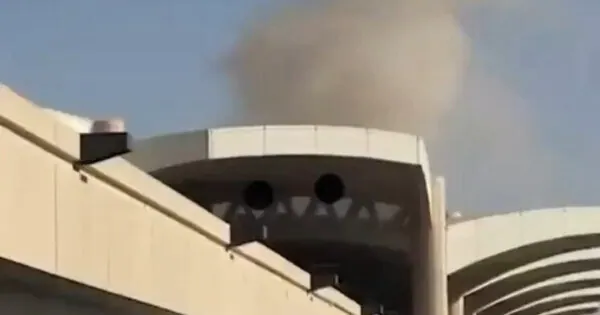
A devastating attack on King Khalid International Airport in Riyadh, Saudi Arabia, has resulted in the deaths of at least 12 people and injured 50 others. The attack, claimed by the Yemeni group Houthi, also known as Ansar Allah, occurred on Saturday. According to reports from the New York Times, citing three officials briefed on the strike, the attack was the deadliest in a Gulf Arab country since the US-Israeli war on Iran began in February.
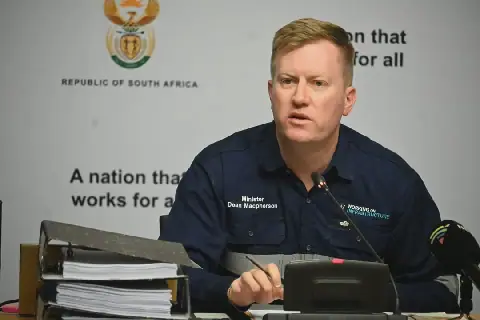
The Houthis confirmed their involvement in the attack through Mohammed al-Bukhaiti, a senior political official and spokesman for the group. In a statement to RT.com, al-Bukhaiti said the attack aimed to pressure Saudi Arabia into agreeing to a "comprehensive and permanent peace" and an end to the war and mutual blockade. The attack involved a missile striking the building housing two terminals used for domestic flights at the airport.
The aftermath of the attack saw significant disruptions, with at least 316 flights to and from Riyadh airport cancelled on Saturday, according to data from flight-tracking service Flightradar24. The US Embassy and several other Western diplomatic missions urged their citizens to avoid the airport and warned of major travel disruptions. Following the attack, operational activities at the airport were temporarily suspended pending a full assessment of the damage and verification of facility safety.
The attack on Riyadh airport comes almost a week after Yemen's internationally recognized and Saudi-backed government launched a major offensive to retake territory from the Iran-backed Houthis. Saudi-led forces have supported the operation with airstrikes, while the Houthis have retaliated with missile and drone attacks on targets in Saudi Arabia, including Riyadh's international airport. The conflict has seen significant escalation in recent months, with the Houthis making substantial territorial gains.
The Houthi group's spokesman, al-Bukhaiti, accused Riyadh of destroying Yemen's civilian infrastructure over the past 12 years, including airports, seaports, schools, hospitals, markets, and even wedding and funeral halls. He claimed the Houthis were responding in kind to Saudi attacks but insisted the strikes were intended to pressure Saudi leaders into accepting a lasting peace agreement rather than motivated by revenge.
The incident drew international attention, with US President Donald Trump commenting on the possibility of American forces joining Saudi strikes against the Houthis. Trump told reporters that they "may" join the strikes and that they would "look at it." The conflict in Yemen has been ongoing since 2015, with Saudi Arabia leading a military campaign against the Houthis.
The attack on Riyadh airport is the latest development in a longstanding conflict that has seen multiple attempts at peace agreements. The situation remains volatile, with ongoing hostilities and significant humanitarian concerns. The international community continues to monitor the situation closely, with efforts to broker a lasting peace agreement ongoing.
Key points
- The Houthi attack on Riyadh airport resulted in at least 12 deaths and 50 injuries.
- The attack was claimed by the Yemeni group Houthi, also known as Ansar Allah.
- The incident has escalated tensions in the region, with potential implications for international involvement.