A recent escalation by Houthi rebels has put Riyadh's King Khalid International Airport under threat, with the group claiming responsibility for a ballistic missile attack on the airport. The Saudi-led coalition reported intercepting and destroying two ballistic missiles launched towards the capital. Airport authorities have advised passengers to verify their flight status before heading to the airport, as several flights have been cancelled or delayed. The Houthi attack caused damage and disrupted air traffic, highlighting the growing security concerns in the region.
The Houthi rebels have issued new warnings to Saudi oil facilities and civilian airlines, urging personnel to evacuate and avoid areas considered military targets. The rebels' military spokesperson, Yahya Saree, stated that the warning includes previously targeted facilities and others deemed strategic. This development has raised concerns about the potential impact on Saudi Arabia's energy sector, a crucial component of the country's economy. The Houthis have intensified their attacks on infrastructure and energy-related facilities, increasing pressure on the Saudi government.
The Saudi-led coalition reported that the intercepted missiles caused material damage to several civilian facilities in Riyadh, including a kindergarten and a medical clinic. Fortunately, no casualties were reported in these incidents. However, the attacks have sparked concerns about the expanding risks associated with the escalating missile campaign against the Saudi capital and its vital infrastructure. The Houthi rebels' actions have led to a significant increase in security measures and precautions in Riyadh.
In a further escalation, the Houthi rebels have warned civilian airlines and aviation authorities that Saudi airspace is no longer safe for flights. The rebels have declared the Saudi airspace a military operations zone, posing additional risks to the aviation sector. This warning comes after the targeting of King Khalid International Airport and the subsequent measures taken by airport authorities to manage flights and passenger safety.
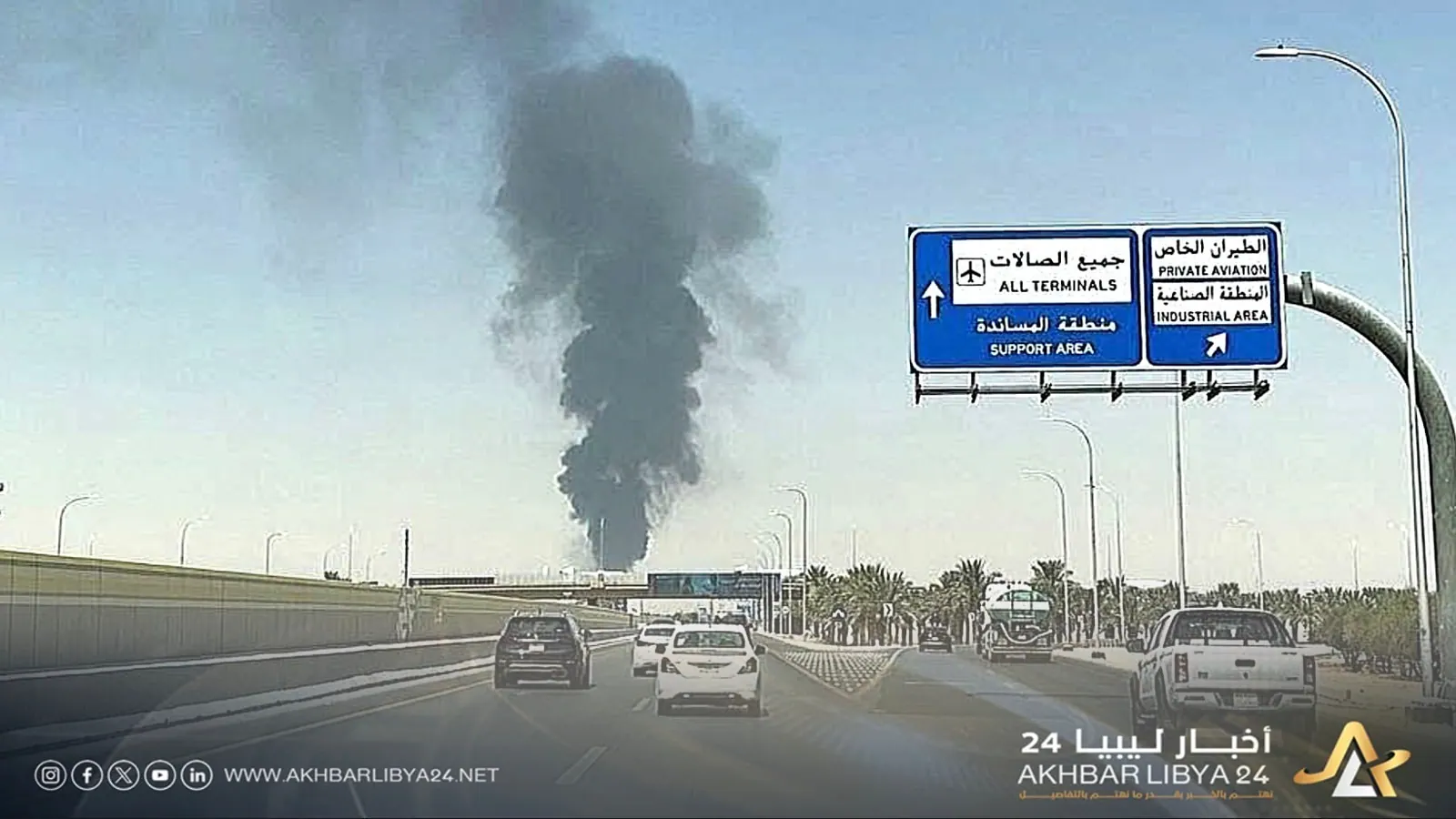
The recent escalation follows a previous attack on an Aramco fuel tank near Riyadh airport, which resulted in a large fire. The repeated targeting of aviation and energy-related facilities demonstrates the broadening scope of Houthi attacks within Saudi Arabia, as the conflict intensifies. The Saudi government has maintained its capability to intercept incoming missiles and protect its facilities, but the Houthi rebels' continued threats have raised concerns about the potential consequences for the country's energy sector and air travel.
The diplomatic community in Riyadh has also been affected, with diplomats receiving instructions to take precautions and remain within their embassy compounds following the recent missile attacks. These measures reflect the growing security concerns in the Saudi capital and its surrounding areas. The ongoing Houthi attacks and warnings have opened a new front of risks for Saudi Arabia, impacting air travel, the energy sector, and the overall security situation.
As the conflict between the Houthi rebels and Saudi Arabia continues, the situation remains volatile, with both sides engaging in a war of words and actions. The international community is closely monitoring the developments, and efforts to de-escalate the conflict are underway. The Houthi rebels' continued threats and attacks have significant implications for regional stability and global security.
Key points
- The Houthi rebels' escalation has targeted Riyadh's airport and Saudi oil facilities, prompting Saudi Arabia to intercept missiles and evacuate personnel.
- The rebels have warned civilian airlines and aviation authorities that Saudi airspace is no longer safe for flights.
- The conflict has significant implications for regional stability and global security, with the international community closely monitoring developments.