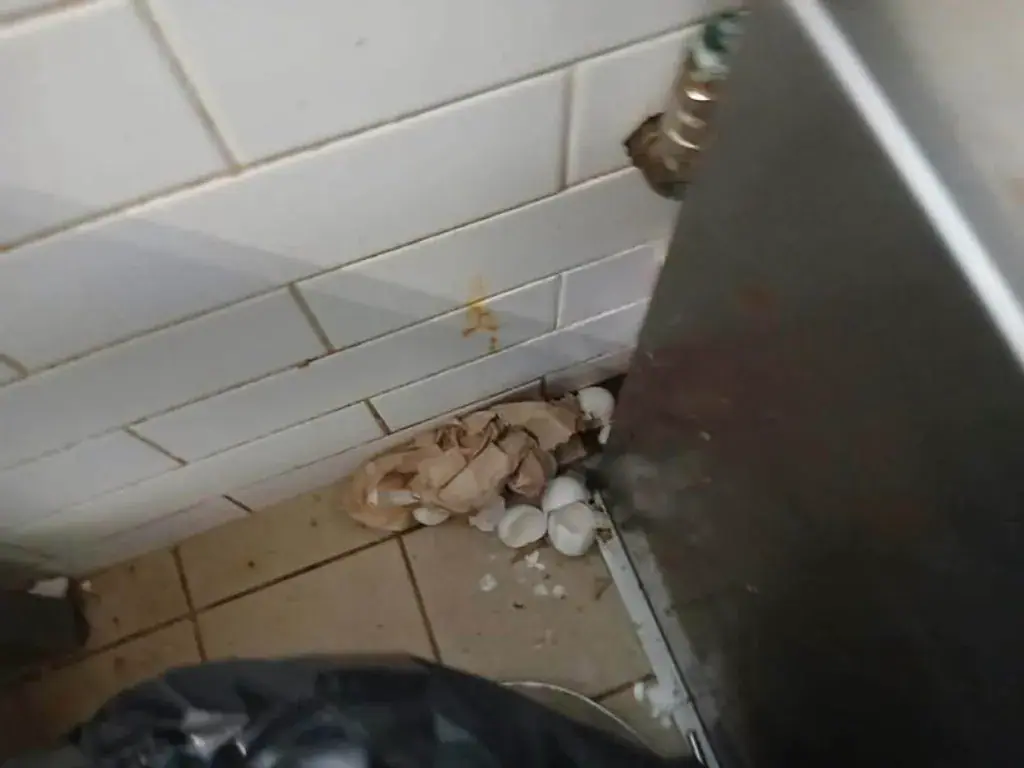
A hotel on Sal Island in Cabo Verde is at risk of being fined 2 million escudos following a series of health irregularities discovered by the General Inspection of Economic Activities. Inspectors found unsanitary conditions, including pest infestations and improper food storage, prompting immediate suspension of kitchen, buffet, and storage operations. The hotel could face a hefty penalty for violating health codes.
The inspection, conducted by a mixed team from various government agencies, revealed a range of health and safety issues. These included inadequate hygiene and cleanliness, rodent droppings, and incorrect food storage. Such conditions pose significant risks to consumer health and food safety. As a result, authorities swiftly ordered the shutdown of high-risk areas to prevent potential contamination.
The hotel's non-compliance extends beyond health and safety issues. Inspectors also found that the establishment had not been refunding tourist taxes since July 2026. This breach, combined with the health irregularities, has led to a contravention process. If found guilty, the hotel could incur a substantial fine of 2 million escudos, reflecting the severity of the infractions.
The General Inspection of Economic Activities took swift action to mitigate risks to public health. By suspending operations in critical areas, authorities aimed to prevent the consumption of potentially contaminated food. This decisive action underscores the importance of enforcing health and safety standards in the tourism sector, where hygiene is paramount.
This incident highlights the ongoing challenges in ensuring compliance with health and safety regulations in Cabo Verde's tourism industry. The hotel's alleged breaches serve as a reminder of the need for vigilance and stringent enforcement. Authorities must balance the economic importance of tourism with the imperative to protect public health and safety.
The case also raises questions about the effectiveness of existing oversight mechanisms. If a hotel, presumably subject to regular inspections, could neglect basic hygiene and safety protocols, it suggests a need for more rigorous monitoring. Strengthening inspection regimes and imposing meaningful penalties for non-compliance are crucial steps in safeguarding public health.
The hotel's potential fine and the suspension of its operations send a strong message about the government's commitment to enforcing health and safety standards. As the tourism sector continues to play a vital role in Cabo Verde's economy, ensuring that establishments adhere to strict hygiene and safety protocols is essential for protecting both locals and visitors.
Key points
- The hotel faces a 2 million escudo fine for health irregularities.
- Inspectors found unsanitary conditions, including pest infestations and improper food storage.
- The hotel had not been refunding tourist taxes since July 2026.
Reporting sources
- Hotel no Sal arrisca multa de dois milhões de escudos por irregularidades sanitárias · Expresso das Ilhas