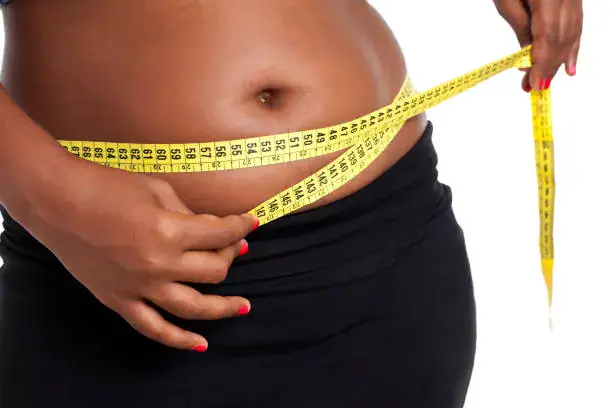
A recent study conducted in Malawi's top three hospitals has found that nearly a quarter of adults attending diabetes clinics carry dangerous abdominal fat levels that are not detectable by weighing scales. The study, published in the international journal Diseases, examined 1,356 men and women with Type 2 diabetes at Mzuzu, Kamuzu, and Zomba central hospitals between November 2024 and January 2025.
The researchers used two measurements of excess weight: body mass index (BMI) and waist-to-height ratio. BMI measures weight and height to determine whether one is overweight or obese, while waist-to-height ratio gauges whether a person has too much fat in the abdomen, also known as central obesity. The study found that while BMI classified 61 percent of patients as overweight, the waist-to-height ratio put the figure at 80.1 percent.
The study revealed that 23.7 percent of patients, or 322 people, had central obesity by waist measurement despite having a normal BMI. This means that these patients would have been recorded as having a healthy weight if the diabetes clinic had relied solely on the scale. According to lead author Alexander Thomas Mboma, a patient can have a perfectly acceptable BMI and still be carrying fat that does the damage.
The researchers warn that 'belly fat' increases the risk of heart disease, high blood pressure, kidney failure, and poor blood sugar control. They suggest that a simple tape measure and height board can help clinicians identify patients with central obesity. The study's findings show that only 4.5 percent of patients were found to be overweight by BMI without also having central obesity, while 56.3 percent met both definitions.
The study found that older patients and women carried the heaviest burden of central obesity due to physical inactivity and frequent eating, including late in the evening. Women had roughly twice the odds of BMI-defined obesity compared with men and showed markedly higher odds of central obesity in both measurements. Those aged 50 and above had higher central obesity than younger women on all three waist-based measures.
The researchers recommend that the tape measure and height board be added to routine assessments to capture serious risks skipped by BMI calculations. They suggest that older and female patients should be prioritized for counselling on diet and physical activity. According to Professor Alexander Kalimbira, a nutritionist from Lilongwe University of Agriculture and Natural Resources, too much fat in the abdominal region increases the risk of complications among people with diabetes.
The study's findings have significant implications for diabetes care in Malawi. The researchers propose that the waist-to-height ratio be recorded and acted on alongside BMI. They also recommend that patients below physical activity levels recommended by the World Health Organization be prioritized for counselling on diet and physical activity.
Key points
- A study in Malawi found that nearly a quarter of adults attending diabetes clinics have dangerous abdominal fat levels undetected by weighing scales.
- The researchers recommend adding waist-to-height ratio measurements to routine assessments to capture serious risks skipped by BMI calculations.
- Older and female patients should be prioritized for counselling on diet and physical activity to reduce the risk of complications.