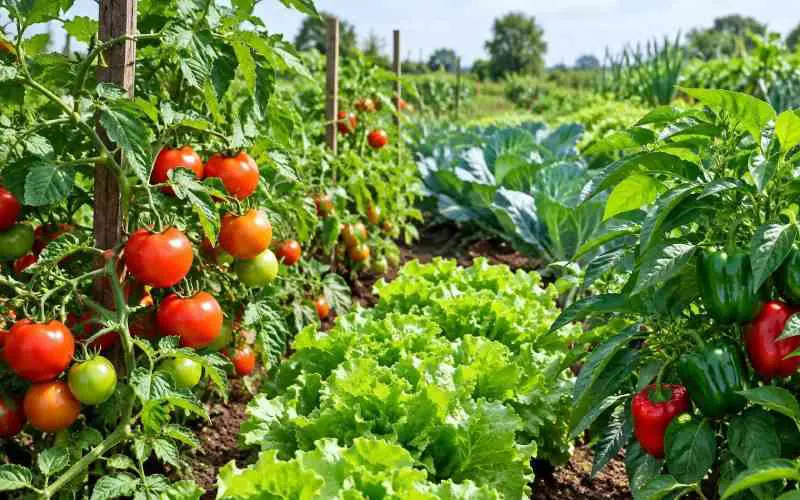
Eastern Africa's horticulture industry is undergoing a significant transformation, shifting its focus from simply producing more flowers, fruits and vegetables to capturing a greater share of the value generated from them. Stakeholders are calling for increased investment, stronger regional value chains and more sustainable production and trade systems. This change in approach aims to benefit farmers and businesses in the region.
The Horticulture Council of Eastern Africa (HoCEA) Chairperson, Dr Jacqueline Mkindi, emphasized that the region's opportunity lies not only in increasing production but also in ensuring farmers and businesses benefit from more stages of the value chain. She noted that strengthening farmers' access to markets, finance, technology, knowledge and value-added opportunities is crucial. This was discussed during the Regional Public-Private Dialogue on Horticultural Logistics and Trade Facilitation in Nairobi.
The dialogue coincided with the official launch of HoCEA, a private-sector-led regional platform bringing together national horticulture associations from nine countries. Dr Mkindi's message highlights a persistent concern within the industry, where Eastern Africa produces significant volumes of horticultural commodities, but much of the higher-value activity associated with processing, packaging, branding and logistics can occur outside the region.
Kenya's government has also called for the horticulture industry to move beyond volume and deepen value addition as part of efforts to strengthen export competitiveness. The sector is a major source of foreign exchange, employment and rural livelihoods, making investment in its wider value chain an important economic priority. The government recognizes the need for a more comprehensive approach to horticulture.
Dr Mkindi noted that unlocking the potential of the horticulture industry requires investment at every level, calling on farmers to access affordable finance, technology and market information. She emphasized that aggregators require collection and handling facilities, exporters need modern packhouses, cold storage and dependable transport, while logistics companies require refrigerated equipment and efficient trade corridors.
Development partners at the Nairobi dialogue stressed that future investment must take account of climate and environmental pressures. TradeMark Africa Director of Business Competitiveness, Anataria Uwamariya, identified logistics efficiency, climate resilience, digital trade and integration of horticulture into the African Continental Free Trade Area framework as areas requiring greater attention. The industry must adapt to changing market requirements.
For Eastern African exporters, investment in modern cold chains, renewable energy, digital traceability, efficient packhouses and greener transport systems could help businesses meet changing market requirements while reducing waste and improving resilience. HoCEA Secretary General Clement Tulezi said the council's success must be measured by barriers removed, markets opened, costs reduced, consignments protected and businesses supported.
Key points
- The horticulture industry in Eastern Africa is shifting its focus to capturing a greater share of the value generated from flowers, fruits and vegetables.
- Stakeholders are calling for increased investment, stronger regional value chains and more sustainable production and trade systems.
- The industry must adapt to changing market requirements, including climate and environmental pressures.