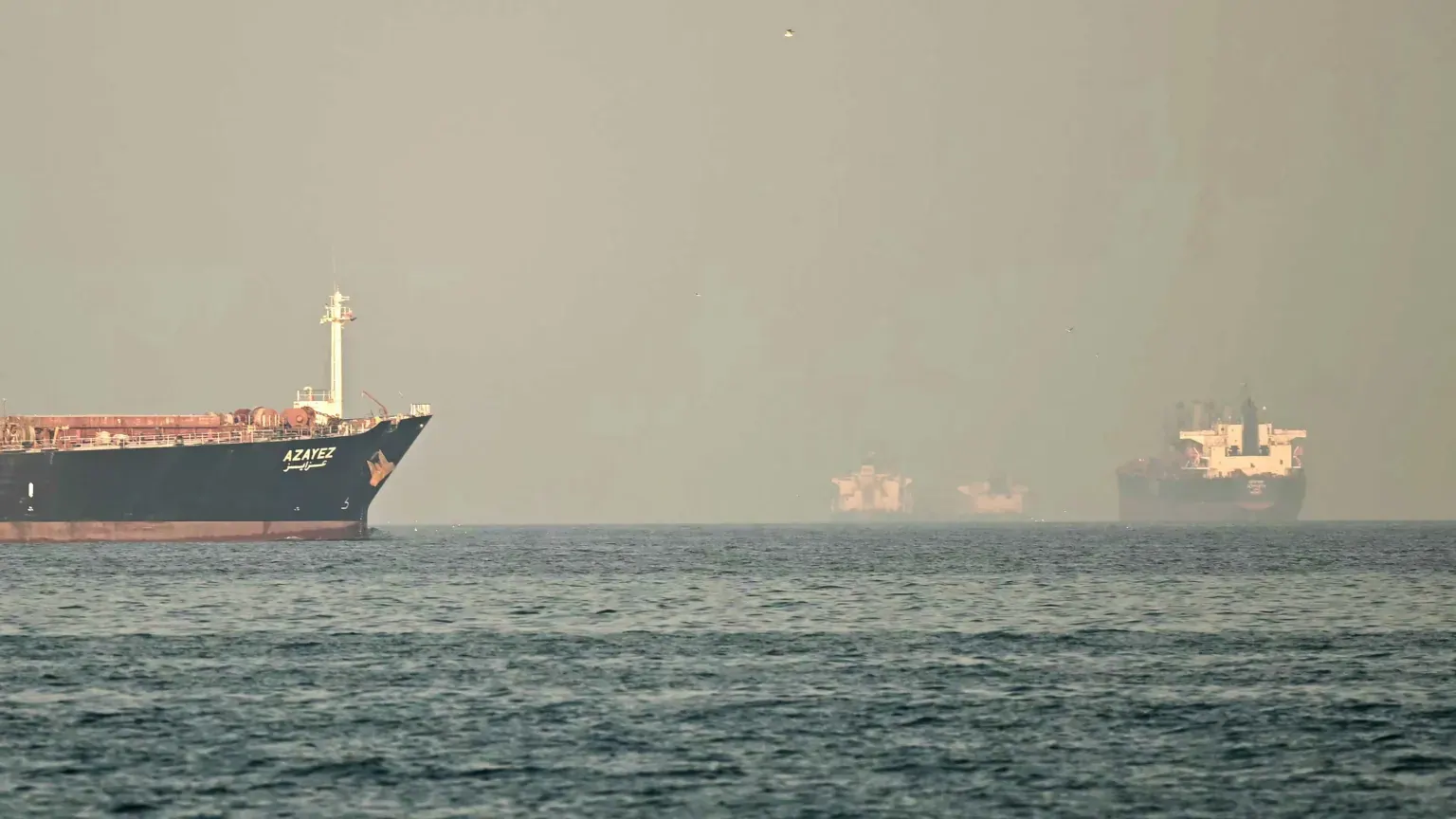
The Strait of Hormuz, a critical waterway for global oil supplies, has seen a significant decline in vessel transits after a recent spike in tanker attacks. According to data from analytics firm Kpler, only seven commodity vessels passed through the strait on Tuesday, the lowest figure since July 23. This represents a 27% drop in crude oil crossings from a wartime high the previous week, with at least 10.1 million barrels a day being transported.
The decline in transits is attributed to increased attacks on tankers in the region, which reached their highest level since the start of the US-Israeli war with Iran last week. Maritime security sources reported a significant increase in incidents, with the latest attack occurring 51 nautical miles north of Qatar's Madinat ash Shamal, resulting in casualties. The United Kingdom Maritime Trade Operations agency confirmed the incident.
Despite the decline in Hormuz transits, exports from the Gulf of Oman coast and the Red Sea have risen to 6.7 million barrels per day, more than twice pre-war levels. This increase has helped offset the lost supply from Hormuz, keeping overall Middle East crude exports at pre-war levels. Analysts Emmanuel Belostrino and Yui Torikata noted that most of the fall in Hormuz transits was due to a decrease in ship-to-ship transfers in the Gulf of Oman.
The number of vessels transiting the strait edged up to 10 on Wednesday, but was still well short of the daily tally of over 20 on Sunday and Monday. More vessels entered the strait than exited in the past two days. LSEG data showed eight vessels crossing the strait on Tuesday, evenly divided between entries and exits, including five oil tankers and a liquefied natural gas tanker.
Before the February 28 start of the Iran war, approximately 125 large commercial vessels, including tankers, gas carriers, bulkers, and container vessels, transited the strait daily. These vessels carried cargoes that accounted for a fifth of global supplies of crude oil and liquefied natural gas. The recent attacks have raised concerns about the security of the waterway and the potential impact on global oil supplies.
The situation in the Strait of Hormuz remains volatile, with ongoing concerns about the safety of vessels transiting the waterway. The US-Israeli war with Iran has had a significant impact on the region, with fluctuations in oil prices and supply disruptions. Diplomatic efforts to resolve the conflict have been ongoing, but a lasting solution remains elusive.
The impact of the reduced transits and increased attacks on tankers is being closely monitored by industry analysts and maritime security experts. The situation is expected to continue to evolve, with potential implications for global oil supplies and prices. Key stakeholders, including governments and shipping companies, are working to mitigate the risks and ensure the safe passage of vessels through the Strait of Hormuz.
Key points
- The number of vessels transiting the Strait of Hormuz has dropped to its lowest in over two months following a surge in tanker attacks.
- Exports from the Gulf of Oman coast and the Red Sea have risen to offset the lost supply from Hormuz.
- The situation in the Strait of Hormuz remains volatile, with ongoing concerns about the safety of vessels transiting the waterway.