The International Energy Agency (IEA) has warned that the Middle East conflict and disruptions to shipping through the Strait of Hormuz are likely to have a lasting impact on global energy markets. The crisis has exposed vulnerabilities in global energy supply chains, and countries are reconsidering their dependence on imported fuels. The IEA's World Energy Outlook 2026 report examines the potential implications of the crisis on global energy markets.
The report notes that the crisis has delivered a major shock to the global economy, with effects likely to deepen if the crisis persists. IEA Executive Director Fatih Birol stated that the energy sector and global economy have shown resilience, but the longer the crisis lasts, the deeper the effects will be. The report provides governments with analysis to guide decisions amid growing uncertainty.
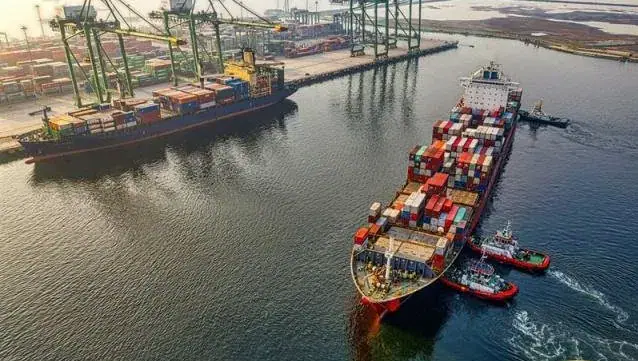
The IEA has identified three emerging priorities in government responses to the crisis: diversifying energy supplies and trade routes, increasing reliance on domestically available resources, and accelerating electrification. The Strait of Hormuz, a major route for global oil and gas shipments, has become a particular concern due to disruptions to international energy flows. Approximately 20 million barrels of oil passed through the strait daily before the crisis.
The report projects that investment in alternative pipelines, new supply sources, and measures to reduce oil demand could lower flows through the strait to 8.5 million barrels per day by 2030 and below two million barrels by 2035. However, the Middle East would remain the world's largest exporter of oil to international markets. Renewable energy, particularly solar photovoltaic power, and nuclear energy are expected to benefit from the growing preference for domestic energy resources.
Energy efficiency and biofuels are also expected to gain ground. However, some Asian countries may extend their reliance on coal due to abundant domestic reserves and concerns about the security of imported oil and natural gas. The crisis is accelerating the global shift towards electricity, with electricity demand growing faster than the global economy since 2019.
The IEA projects that electricity demand will grow even faster through 2035, accounting for close to 30 per cent of global final energy consumption. Higher and more volatile fuel prices are strengthening the economic case for electrification, with increased sales of electric vehicles and growing demand for solar panels and batteries. A resolution to the Middle East conflict could trigger a strong recovery in global oil and natural gas supplies.
The report raises concerns that the crisis could reverse recent progress in expanding access to electricity and clean cooking, particularly in developing countries. The IEA warns that current government policies remain insufficient to limit global warming to 1.5 degrees Celsius, with pathways based on existing or announced policies resulting in global temperature increases of between 2.5 and 2.9 degrees Celsius.
Key points
- The Hormuz crisis is likely to reshape global energy markets, accelerating investment in renewable energy and domestic resources.
- The crisis has exposed vulnerabilities in global energy supply chains, and countries are reconsidering their dependence on imported fuels.
- The IEA warns that current government policies remain insufficient to limit global warming to 1.5 degrees Celsius.
Reporting sources
- Hormuz crisis set to reshape global energy markets, IEA warns · The Independent magazine