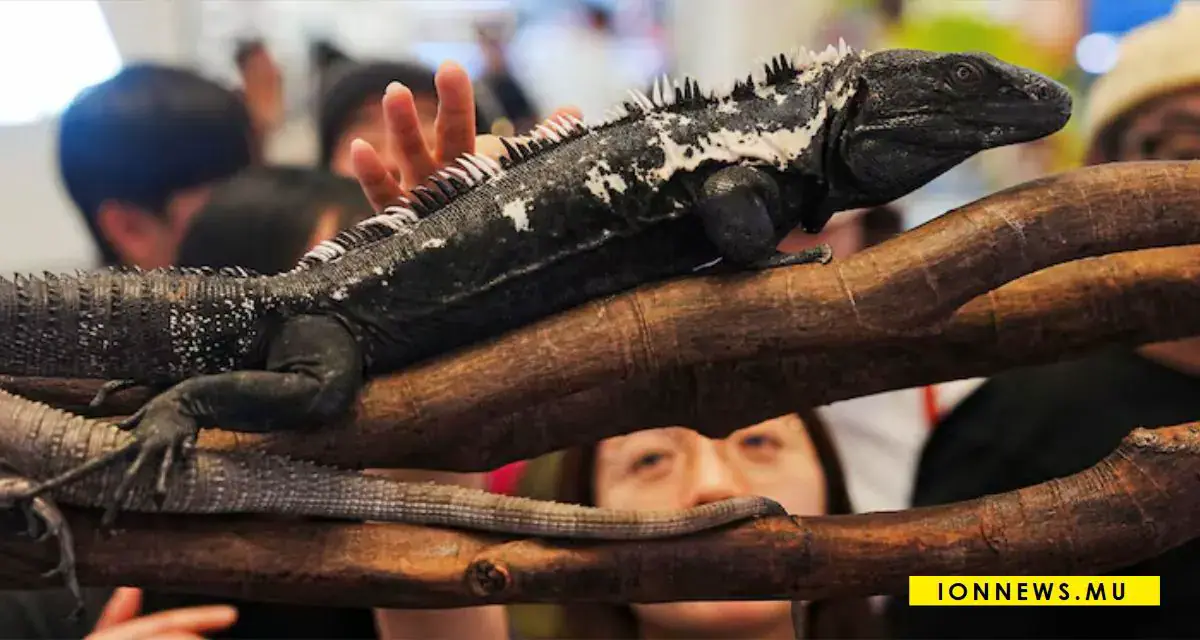
Conservation groups in Hong Kong are urging the government to tighten regulations on exotic pets after a staggering 3.7 million live exotic animals were imported into the city between 2020 and 2025. According to a study by the ADM Capital Foundation, this makes Hong Kong the world's largest importer of threatened reptile species. The imports came from 86 countries and territories, averaging around 80 animals per hour.
The rapid influx of exotic animals has raised concerns about the risks of pathogens, parasites, and invasive species. Groups such as the ADMCF, WWF-Hong Kong, KFBG, and the SPCA, along with lawmakers, are calling for a "positive list" of species allowed for import, sale, and ownership as pets. This approach is already used in neighboring countries like Singapore and South Korea.
The proposed positive list aims to regulate the exotic pet trade, which has been largely unchecked. The groups also want to broaden the legal definition of "animal" to include amphibians and invertebrates, which are currently excluded from commercial regulations. This move is seen as crucial in protecting both human health and local wildlife from potential threats.
The issue has gained urgency with the rise of exotic pet ownership in Hong Kong. KFBG's conservation department has reported an increasing trend of people keeping exotic reptiles, including venomous snakes. The release of exotic amphibians has likely introduced diseases like the chytrid fungus, which has caused a global decline in amphibian populations.
The calls for tighter regulations come on the back of a recent case where the owner of a reptile education center was charged with possession of threatened species. The center co-organized a popular wildlife fair for children. The government has been urged to review and update the list of allowed species in a timely manner.
A similar approach has been adopted in Singapore, which prohibits the ownership of most exotic wild animals, and in South Korea, which has introduced laws regulating exotic animal cafes and private ownership.
The Hong Kong government has yet to comment on the proposals, but conservationists stress that urgent action is needed to mitigate the risks associated with the exotic pet trade and protect the city's unique biodiversity.
Key points
- Conservation groups are pushing for a "positive list" of allowed exotic pet species to regulate the trade and protect local wildlife.
- Hong Kong has imported 3.7 million live exotic animals between 2020 and 2025, making it the world's largest importer of threatened reptile species.
- The proposed regulations aim to address concerns about pathogens, parasites, and invasive species associated with the exotic pet trade.