Many individuals struggle to find time or resources to visit the gym regularly. The cost of membership, transportation, and other commitments can be overwhelming. As a result, people often look for alternative ways to stay physically active. Exercising at home can be a practical solution, allowing individuals to work out in the comfort of their own spaces. This approach eliminates the need for expensive equipment and transportation costs. With a little creativity, anyone can create a home workout routine that suits their lifestyle.
Simple exercises like squats can be done at home without any equipment. To perform squats, stand with feet slightly apart and back straight, then push hips backward and lower yourself. This exercise targets the thighs, hips, and glutes. For those new to exercising, starting with 10 repetitions and taking short breaks can help build confidence. As individuals become more comfortable with the movement, they can increase the number of repetitions. Squats are an excellent way to begin a home workout routine, requiring minimal space and no equipment.
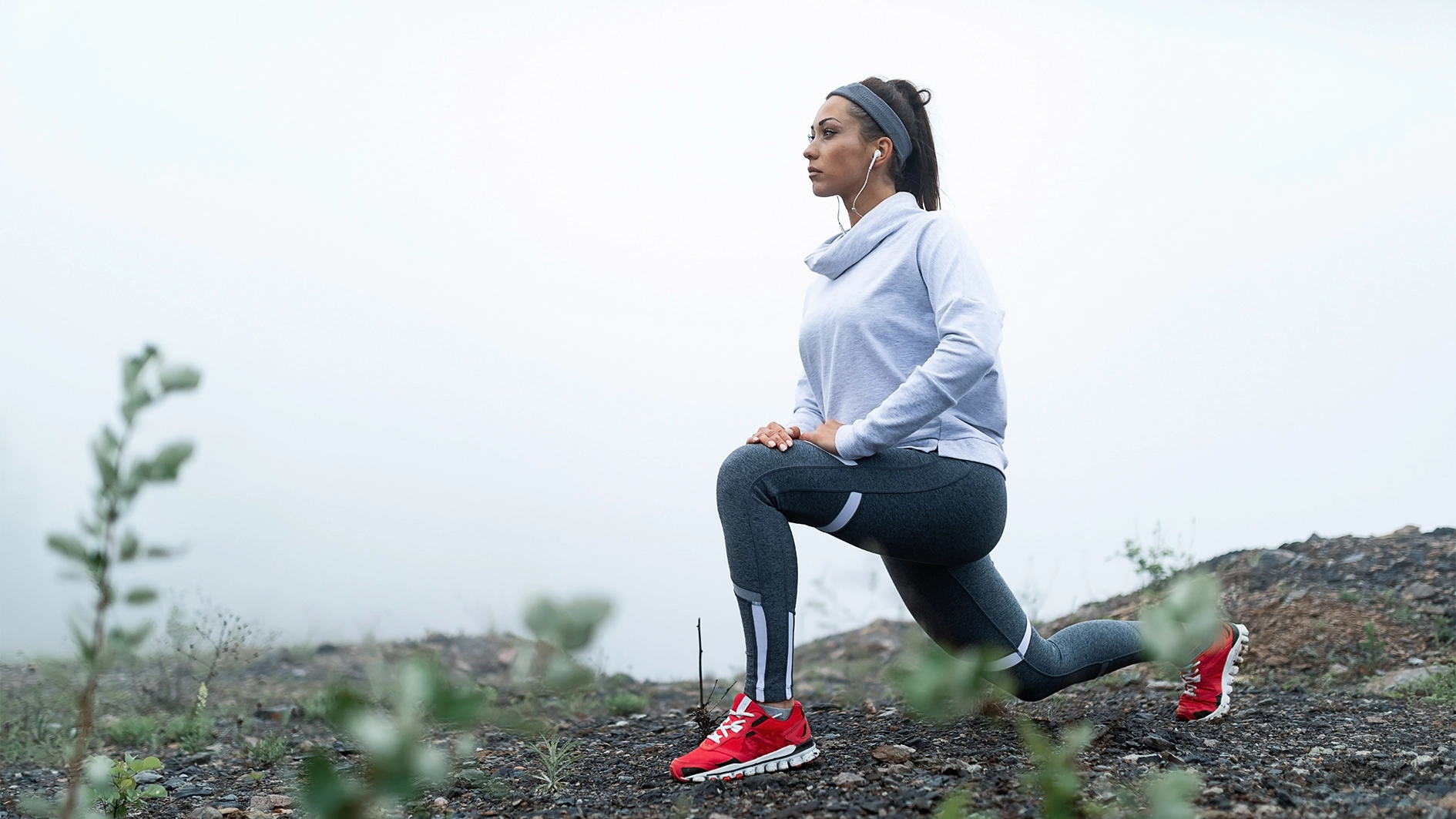
Other exercises like glute bridges and lunges can also be done at home. Glute bridges involve lying on the back with knees bent and feet flat, then lifting hips and squeezing glutes. This exercise targets the muscles around the hips, glutes, and back of the legs. Lunges, on the other hand, work the legs without using weights. Stand upright, step one foot forward, and bend both knees to lower the body. These exercises can be modified to suit individual fitness levels, making them accessible to beginners.
For those who enjoy music, dancing can be an excellent way to get some exercise at home. Put on a few songs and dance around the room or walk around the compound. Taking the stairs instead of the lift can also provide some physical activity. Additionally, incorporating short breaks into daily routines can help reduce long periods of inactivity. For example, getting up and stretching or walking around for a few minutes can make a significant difference. These small actions can contribute to a healthier lifestyle.
The World Health Organisation recommends at least 150 minutes of moderate-intensity physical activity each week, alongside muscle-strengthening activities on at least two days. However, for those who are new to exercising, it's essential to start slowly and build up gradually. Ten or 15 minutes of exercise per day can be a good starting point, and individuals can gradually increase their duration and intensity over time. The key is to find a routine that fits into daily life and can be maintained in the long term.
Household items can also be used as workout equipment. A sturdy chair can provide support during exercises, while bottles filled with water can offer light resistance. A backpack with a few books can add weight to bodyweight exercises. However, safety should always be a priority when using household items as workout equipment. Ensure that the items used are stable and strong enough for the exercise. With a little creativity, individuals can create a home workout routine that is both effective and safe.
Ultimately, the goal of home workouts is to find a way to keep moving, even on days when going to the gym is not practical. By incorporating simple exercises into daily routines, individuals can maintain their physical health and well-being. With patience and consistency, anyone can develop a home workout routine that suits their lifestyle and fitness goals. By making exercise a priority, individuals can take control of their health and well-being, even without a gym membership.
Key points
- Exercising at home can be a convenient alternative to gym memberships for those with limited time or money.
- Simple exercises like squats, glute bridges, and lunges can be done at home without any equipment.
- Household items can be used as workout equipment, but safety should always be a priority.