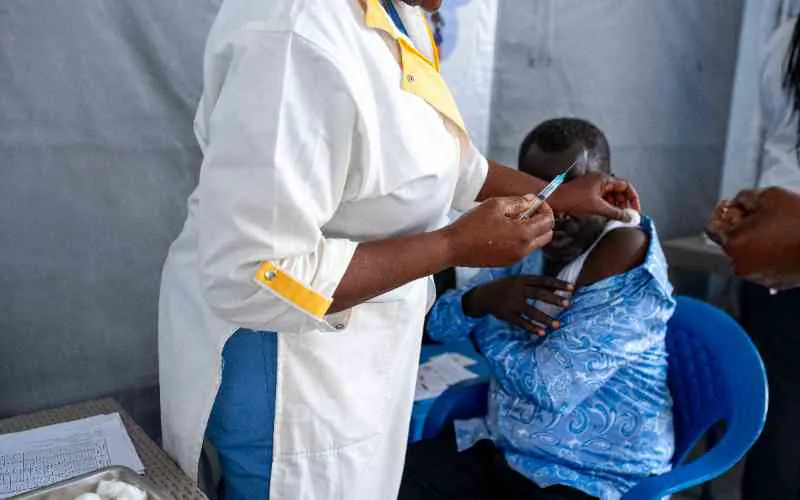
The global HIV response is facing a significant funding squeeze, with international resources declining by 18% in 2025, the largest decline in almost two decades. According to UNAIDS, $17.6 billion was available for the AIDS response in low- and middle-income countries at the end of 2025, about 20% below the $21.9 billion needed annually by 2030 to remain on track to end AIDS as a public-health threat. This decline has had a substantial impact on HIV programs, with disruptions to HIV medicines and prevention services reported following the US pause in foreign assistance.
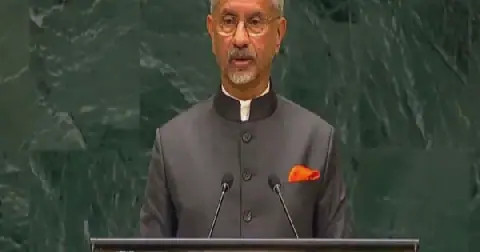
Despite the funding challenges, governments are rallying behind UNAIDS, with several countries stepping forward to offer support. UNAIDS Executive Director Winnie Byanyima said governments continue to depend on the organization to coordinate and support national HIV responses. Byanyima met with Botswana President Duma Boko during the 81st United Nations General Assembly in New York, where President Boko offered support for UNAIDS' presence in Botswana and across the region. Other countries, including Algeria, Benin, Côte d'Ivoire, the Philippines, and South Africa, have also pledged their support.
The US government has terminated its agreement with UNAIDS, but has allocated $4.6 billion for bilateral HIV support, $1.25 billion to the Global Fund, and $45 million to UNAIDS through a spending package signed into law in February 2026. However, the US is directing a larger emergency package towards Ebola, with an additional $267 million in direct health and humanitarian assistance announced on September 23 to fight the outbreak in the Democratic Republic of Congo. This brings the total US government assistance for the outbreak to $887 million.
The Ebola outbreak in the DRC has reported 7,890 confirmed cases and 3,799 deaths as of September 23, with transmission reported across 63 health zones in seven provinces. The DRC Prime Minister, Judith Suminwa Tuluka, described the outbreak as a "major test" for the country, adding that national mobilisation and international support had allowed the response to begin producing "tangible results." The international community is seeking a broader commitment of about $2 billion to support the Ebola response, mainly for operations in the DRC.
The contrasting financing pressures affecting HIV and Ebola highlight a wider challenge in global health: emergency outbreaks can trigger rapid mobilisation of resources, while longer-running diseases depend heavily on predictable financing to keep treatment and prevention programs operating. UNAIDS noted that 41 million people were living with HIV globally in 2025, while 1.2 million people acquired HIV and 570,000 died from AIDS-related illnesses. About 32.1 million people were accessing antiretroviral therapy.
Kenya has used the UNGA81 to argue that the global HIV architecture must retain its core functions. Douglas Bosire of Kenya's Ministry of Health said the Joint Programme's functions should be maintained at both global and country levels. The debate comes as governments confront multiple health emergencies simultaneously, from HIV and tuberculosis to Ebola, Mpox, and Cholera. It remains to be seen whether the renewed political support for UNAIDS will translate into predictable financing for HIV programs.
The renewed government backing for UNAIDS comes as the organization faces significant challenges in responding to the HIV epidemic. Byanyima has warned that the progress made against HIV remains fragile and that funding cuts are threatening prevention and treatment programs. The US funding changes have had a significant effect on HIV programs, with disruptions to HIV medicines and prevention services reported. The international community must now work together to address the funding squeeze and ensure that the global HIV response remains on track.
Key points
- The global HIV response faces a significant funding squeeze, with international resources declining by 18% in 2025.
- Governments are rallying behind UNAIDS, with several countries stepping forward to offer support.
- The US government has committed $887 million to support the Ebola response in the Democratic Republic of Congo.