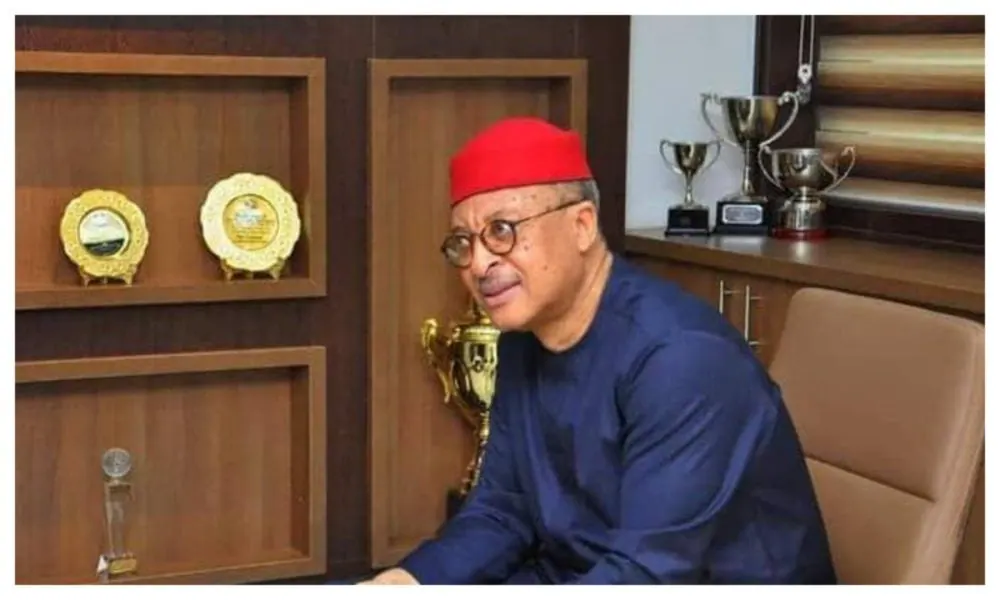
Professor of Political Economy, Pat Utomi, has criticized the judiciary's role in deciding elections in Nigeria. On September 26, 2026, Utomi posted on his verified social media handle, stating that history will judge the judiciary's role in every election cycle. He emphasized that a democracy's strength depends on institutions that protect citizens' rights. Utomi warned that if those entrusted with upholding justice fail, history may remember them as contributors to the decline of Nigeria's democratic aspirations.
Utomi expressed concerns about voter participation in Nigerian elections. He noted that low voter turnout and citizens' non-participation in choosing leaders indicate a weak democratic mandate. Utomi described the current administration as a "minority government" due to its limited electoral mandate. His comments highlight ongoing debates about Nigeria's democratic process and the need for institutional reforms.
The professor emphasized the judiciary's critical responsibility in protecting democracy and the Nigerian people. He noted that courts are not just dispute-settlement platforms but institutions that safeguard justice, constitutional order, and the democratic process. Utomi urged the judiciary to rise to its responsibilities, stressing that every institution must prioritize democracy and citizens' well-being.
Utomi's comments reflect broader concerns about Nigeria's judiciary and its role in shaping the country's democratic landscape. Critics have accused the judiciary of interfering in electoral processes, often with contentious outcomes. These concerns have sparked debates about judicial independence, impartiality, and the need for electoral reforms.
The issue of voter participation is a pressing concern in Nigeria's electoral process. Low turnout rates and allegations of electoral malpractices have marred previous elections. Utomi's remarks highlight the need for stakeholders to address these challenges and work towards strengthening Nigeria's democratic institutions.
Utomi's criticism of the judiciary is not an isolated incident. Various stakeholders, including politicians, civil society groups, and citizens, have expressed concerns about the judiciary's role in Nigerian elections. These concerns have led to renewed calls for judicial reforms and increased transparency in the electoral process.
The conversation around Nigeria's democracy and the judiciary's role is ongoing. As the country continues to navigate its complex electoral landscape, stakeholders will likely continue to scrutinize the judiciary's actions and their implications for democracy and citizens' rights.
Key points
- Professor Pat Utomi criticizes Nigeria's judiciary for its role in deciding elections.