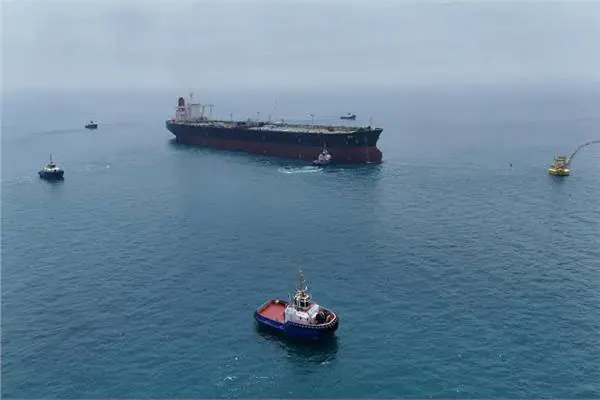
The rental prices for Very Large Crude Carriers (VLCCs) have skyrocketed to around $1 million per day, a significant surge from the usual $50,000 to $150,000 per day. This increase is attributed to the current high demand for these tankers, particularly in the Strait of Hormuz. According to Amr Qataya, an international shipping expert, this new rate is exceptionally high for the global shipping market. The VLCCs are primarily used for large-scale oil transportation.
The current situation in the Strait of Hormuz has led to a substantial rise in rental prices, with some shipowners reportedly earning ten times their usual income. Most of the tankers operating in the region are not new, but rather older vessels built 15 to 25 years ago. Despite their age, these ships are being utilized to capitalize on the lucrative market. The increased earnings have motivated shipowners to deploy these older vessels, even with the associated risks.
The risks involved in operating in the Strait of Hormuz include potential targeting or bombardment by the Iranian Revolutionary Guard Corps. Nevertheless, shipowners are willing to take on these risks to achieve rapid profits. The situation has led to a notable increase in the use of older vessels in the region. This development has significant implications for the global shipping industry, particularly in terms of safety and security concerns.
The number of vessels passing through the Strait of Hormuz varies daily, ranging from 7 to 20 ships. This fluctuation in traffic can be attributed to various factors, including changes in oil demand and geopolitical tensions. According to Qataya, the movement of ships through the strait is not consistent, making it challenging to predict and manage.
The surge in VLCC rentals has far-reaching implications for the global economy, particularly in terms of oil prices and supply chains. As tensions in the region continue to escalate, the shipping industry is likely to face increased challenges. The current situation highlights the complexities and risks associated with oil transportation in the Strait of Hormuz.
The Egyptian and international community have been monitoring the developments in the Strait of Hormuz closely. Egypt, as a significant player in the global shipping industry, is likely to be affected by any disruptions in the region. The country's strategic location and extensive maritime trade make it essential to maintain stability in the area.
The international community is working to address the rising tensions in the Strait of Hormuz and mitigate the risks associated with oil transportation in the region. Diplomatic efforts are underway to reduce the likelihood of conflict and ensure the safe passage of vessels. The situation remains fluid, and stakeholders are closely watching the developments.
Key points
- The rental prices for VLCCs have increased tenfold to $1 million per day.
- The surge in rentals is driven by high demand for oil transportation in the Strait of Hormuz.
- Older vessels are being deployed to capitalize on the lucrative market, despite associated risks.