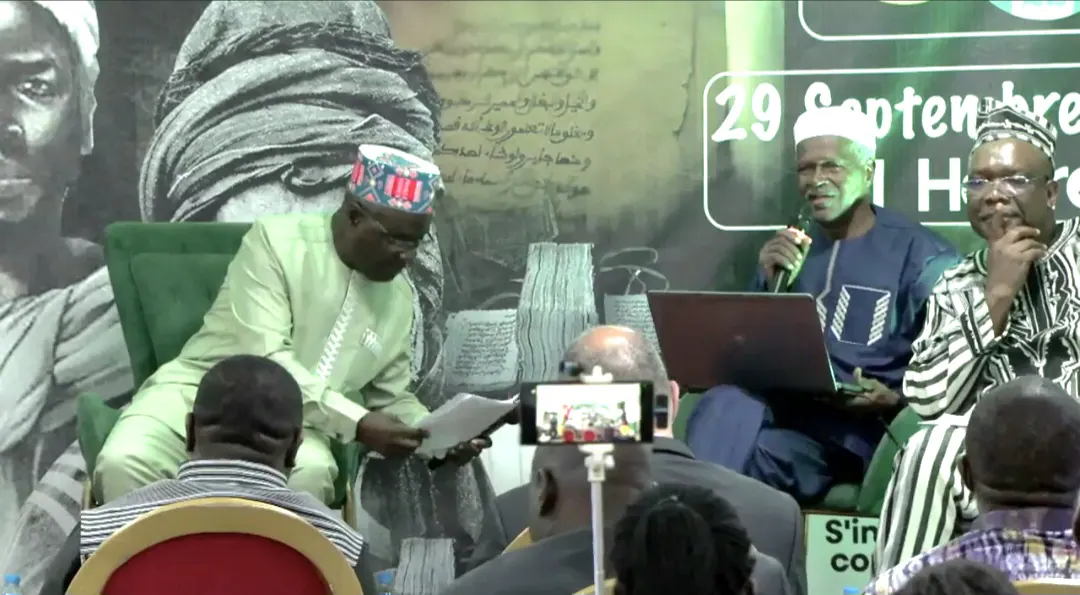
On September 29, 2026, historian Maladho Sidy Baldé discussed Almamy Bocar Biro Barry's pivotal role and heroic fate at an academic gathering in Guinea. The event, attended by government officials and cultural actors, honored the last independent ruler of Fouta Djallon's theocratic confederation. Bocar Biro was known for his exceptional leadership and charisma, which earned him the nickname "Fanku wattoɗa," symbolizing authority and courage in the collective imagination.
As the son of a prominent Almamy who ruled Timbo, Bocar Biro established himself as a remarkable figure before ascending to power. He was admired for his physical presence, powerful voice, mastery of arms and horsemanship, and solid Islamic education. According to Pr Baldé, Bocar Biro had a clear vision for his people, focusing on five key objectives that would ultimately seal his fate. These goals included breaking with traditional politics, introducing innovations, and fighting against provincial independence.
Bocar Biro's vision also aimed to restore the original alliance between political and religious powers, consolidate the confederation's foundations, and reject foreign interference. He sought to defend the territory's sovereignty, even at the cost of his own life. Pr Baldé highlighted the significance of Bocar Biro's determination to protect his people's autonomy and way of life. The historian's analysis shed light on the complexities of Bocar Biro's time and the challenges he faced as a leader.
The battle of Porédaka marked a turning point in Bocar Biro's struggle against French colonial forces and internal opponents. Pr Baldé examined the context leading to the defeat, which resulted in Bocar Biro's decapitation and the presentation of his head as a trophy. This event symbolized the French colonial powers' desire to prove the downfall of a leader considered invincible. The consequences of this defeat were far-reaching, leading to the immediate destitution of provincial chiefs and the dismantling of the Fouta Djallon theocratic confederation.
The fall of the confederation led to its integration into the French colonial space, dealing a significant blow to African resistance fronts at the time. Pr Baldé paid tribute to Bocar Biro's memory, highlighting the importance of preserving and documenting this historical event. He commended the Guinean government's efforts, particularly under President General Mamadi Doumbouya, to promote cultural heritage and historical preservation.
Pr Baldé dedicated his work to his late mentor, renowned historian Djibril Tamsir Niane, and encouraged the academic community to continue researching this significant chapter in Guinean history. The historian's analysis provided a nuanced understanding of Bocar Biro's life, reign, and tragic fate. By examining the complexities of this period, Pr Baldé's work contributes to a deeper appreciation of Guinea's rich cultural heritage and its significance in the broader context of African history.
The commemoration of Almamy Bocar Biro Barry serves as a poignant reminder of the country's history and its people's resilience. As Guinea continues to navigate its development and cultural preservation, the legacy of Bocar Biro remains an essential part of the nation's identity. Pr Baldé's work ensures that this important historical figure and his impact on the region are not forgotten, allowing future generations to learn from and appreciate the complexities of Guinea's past.
Key points
- Historian Maladho Sidy Baldé recalls Almamy Bocar Biro Barry's heroic fate and historic impact on Guinea.
- Bocar Biro's vision for his people focused on five key objectives, including breaking with traditional politics and defending sovereignty.
- The battle of Porédaka marked a turning point in Bocar Biro's struggle against French colonial forces, leading to his decapitation and the fall of the Fouta Djallon confederation.