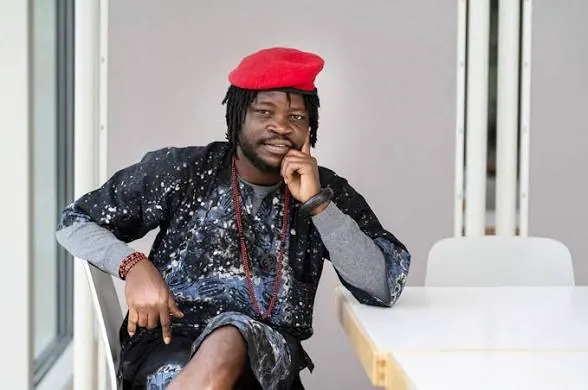
A historian and musician, Dr. Temitope-Maberu Fagunwa, has criticized the Osun State University (UNIOSUN) for introducing paid "Summer Programme" classes, describing it as an unethical revenue-generating scheme. According to Dr. Fagunwa, the programme commodifies students' academic difficulties into a source of Internally Generated Revenue (IGR), making failure financially lucrative. He stated that the initiative lacks pedagogical foundation, making it akin to intellectual extortion.
Dr. Fagunwa expressed concerns about the use of the term "Summer Programme," describing it as a thoughtless adoption of Western academic terminology that disregards Nigeria's climatic and institutional realities. In the Global North, summer programmes offer specialized study, professional development, or academic enrichment, not regular semester courses at N50,000 each. The historian argued that genuine remediation requires addressing the root causes of failure and engaging alternative teaching methods rather than offering brief, costly instruction.
The criticism comes after the university's administration introduced the paid programme to help students clear failed courses. However, Dr. Fagunwa characterized the Vice-Chancellor's response to his critique as an anti-intellectual reaction reflective of a broader crisis in university governance. He posited that a university is not a corporation whose success is measured by extracted revenue; its core purpose is the production, preservation, and transmission of knowledge.
Dr. Fagunwa linked the commercialization of university education to state governments underfunding public universities while setting aggressive annual IGR targets for university administrators. This creates a predatory system where management collects revenue with impunity to justify administrative necessity. The historian cited the 2025 Osun State Approved Budget, which projected N6.375 billion in IGR from UNIOSUN, more than five times the N1.183 billion directly appropriated to the university.
The financial dynamic at UNIOSUN has led to controversies surrounding the tenure of Vice-Chancellor Professor Odunayo Clement Adebooye. On August 31, 2026, Osun State Governor Ademola Adeleke extended the Vice-Chancellor's tenure by two years, moving his exit date from January 2027 to January 2029. Dr. Fagunwa argued that this move directly contravened the 2006 Osun State University Establishment Law, which originally stipulated a single, non-renewable five-year term.
Dr. Fagunwa emphasized that the reliance on IGR has repositioned UNIOSUN as a revenue-generating tool rather than a publicly funded institution of higher learning. He noted that progressive societies depend on institutions outlasting individuals, and academic culture must not be sacrificed for political convenience. The historian urged that the illegalities and administrative extensions at UNIOSUN must be resisted.
The controversy surrounding UNIOSUN's paid remedial classes and the Vice-Chancellor's tenure extension has raised concerns about the governance and funding of public universities in Nigeria. Dr. Fagunwa's public intervention has sparked a debate about the monetization of academic failure and the prioritization of revenue generation over academic standards and intellectual autonomy.
Key points
- - Dr. Temitope-Maberu Fagunwa criticizes Osun State University's paid remedial classes as an unethical revenue-generating scheme. - The programme commodifies students' academic difficulties into a source of Internally Generated Revenue (IGR). - The historian argues that genuine remediation requires addressing the root causes of failure and engaging alternative teaching methods.