French historian Alain Gioda has dedicated his career to understanding the complexities of climate change. With a background in hydrology, Gioda began by studying the consequences of floods in the Po Valley since the 19th century. His work led him to explore traditional techniques for collecting water in impoverished countries such as Côte d'Ivoire, Niger, Bolivia, and Peru. Today, Gioda focuses on renewable energy sources, including hydraulic, wind, and solar power, to mitigate the effects of rapid and brutal climate change.
Gioda's journey into climate research was largely self-directed, with the support of numerous colleagues. He describes his work as a puzzle, aiming to reconstruct a part of the climate history of South America using primary documents written by people who experienced climate-related events firsthand. Gioda's task involves analyzing data from various sources, including historical documents, ice cores, sediment layers, and archaeological findings. By combining these different types of data, Gioda and his team can build a more comprehensive understanding of the Earth's climate history.
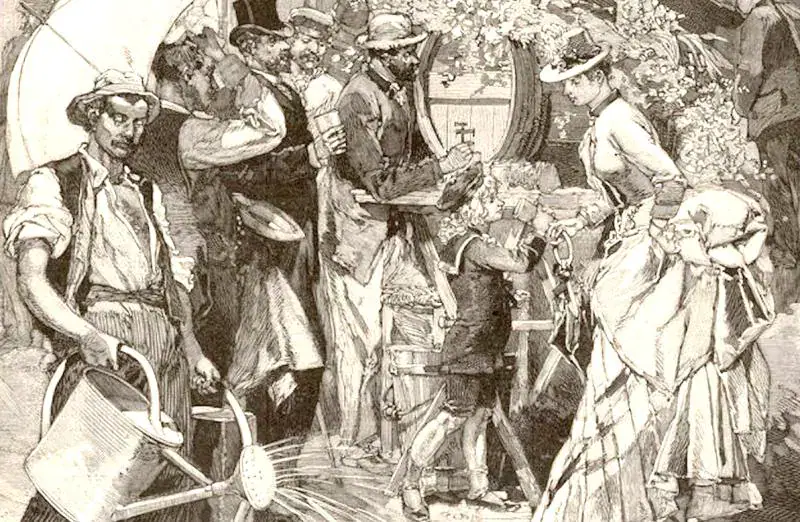
One of the significant challenges in studying climate history is dealing with heterogeneous and partial documentation. Gioda notes that historical records are often biased, as they were written by the victors and tend to focus on the experiences of the nobility and upper classes. However, by cross-referencing historical data with other indirect indicators, such as tree rings, coral reefs, and glacier cores, researchers can develop a more accurate picture of the past. This approach allows scientists to reconstruct climate patterns and events, even in regions with limited historical records.
Gioda highlights the importance of understanding the perception of climate and environmental changes throughout history. He notes that people's perceptions of temperature, humidity, and other environmental factors have varied significantly across different eras and cultures. For example, Spanish conquistadors, who were accustomed to the dry and cold climate of their homeland, often found the hot and humid climate of South America unbearable. By studying these differences in perception, researchers can gain a deeper understanding of how human societies have interacted with and responded to environmental changes over time.
In addition to his work on climate history, Gioda is also interested in developing solutions to mitigate the effects of climate change. He advocates for the use of traditional techniques, such as building "arbre fontaines" (tree fountains) and "filets attrape-brouillard" (fog catchers), which can help to conserve water and reduce the impact of droughts. Gioda also explores the potential of renewable energy sources, such as hydroelectric and wind power, to reduce our reliance on fossil fuels and decrease greenhouse gas emissions.
Gioda's work emphasizes the importance of interdisciplinary research in understanding climate change. By combining insights from history, ecology, and hydrology, researchers can develop a more comprehensive understanding of the complex relationships between human societies and the environment. This approach can also inform the development of effective solutions to mitigate the effects of climate change and promote sustainable development.
As Gioda looks to the future, he emphasizes the need for continued research and action on climate change. He encourages scientists, policymakers, and the general public to work together to develop and implement effective solutions to this pressing global issue. By sharing knowledge and expertise, Gioda believes that we can build a more sustainable future and mitigate the worst impacts of climate change.
Key points
- Historian Alain Gioda stresses the importance of understanding the history of climate change to develop effective solutions.