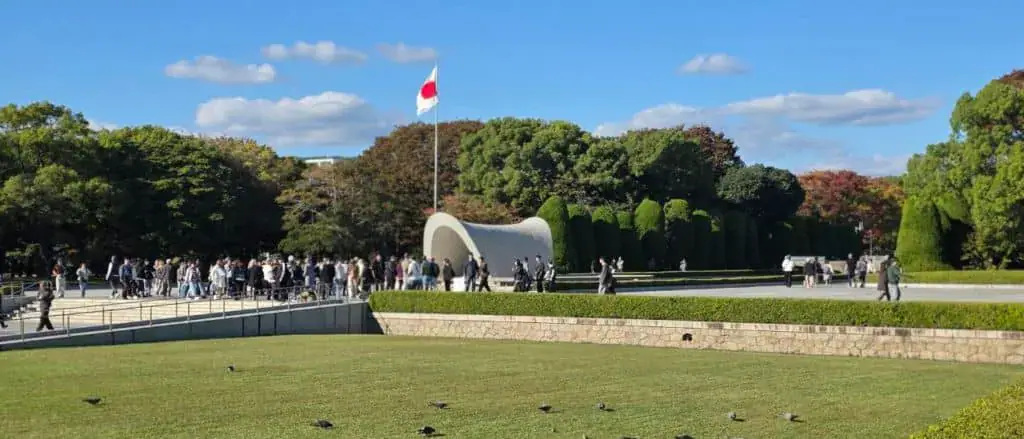
On August 6, 1945, Hiroshima became the first city in history to be struck by an atomic bomb. Eighty-one years later, Japan still bears the scars of this catastrophe. A visit to the Hiroshima Peace Memorial Park provides a poignant reminder of the devastating consequences of nuclear war and the country's commitment to peace. The park, which was visited by a delegation on November 7, 2026, at the invitation of the Japanese government, serves as a powerful symbol of the city's resilience and determination.
The atomic bomb dropped by the United States on Hiroshima on August 6, 1945, at 8:15 am, left the city in ruins. The blast, extreme heat, and subsequent fires caused unprecedented human and material destruction. Thousands of people lost their lives instantly, while others suffered severe burns and injuries. The city's infrastructure and homes were also destroyed, leaving survivors to grapple with the trauma and hardship. The Atomic Bomb Dome, a UNESCO World Heritage Site since 1996, stands as a haunting reminder of the destruction.
The Hiroshima Peace Memorial Museum provides a powerful insight into the human suffering caused by the bombing. Through photographs, personal belongings, historical documents, and interactive exhibits, visitors can understand the circumstances of the bombing and its aftermath. The museum's collections convey the immense human cost of the tragedy, with survivors recounting their experiences of pain, loss, and hardship. The testimonies of the Hibakusha, the survivors of the atomic bombings of Hiroshima and Nagasaki, serve as a poignant reminder of the long-term effects of nuclear war.
The experience of the Hibakusha is a testament to the enduring impact of the bombing on individuals and communities. Many survivors suffered from physical and psychological trauma, as well as social and economic hardship. Some faced discrimination, while others struggled to rebuild their lives. The Hiroshima Peace Memorial Museum serves as a vital repository of the city's history, preserving the memories of the past while promoting a message of peace and nuclear disarmament.
In the aftermath of the bombing, Japan embarked on a remarkable journey of reconstruction. Despite being severely weakened by the war, the country gradually rebuilt its institutions, invested in education and industry, and transformed its economy. Japan's emergence as a major economic and technological power is a testament to the resilience and determination of its people. The country's success in fields such as automotive manufacturing, electronics, and robotics has earned it a reputation as a leader in high-tech innovation.
Today, Hiroshima serves as a powerful symbol of peace and nuclear disarmament. The city's commitment to preserving the memories of the past while promoting a message of peace and nuclear disarmament has earned it a reputation as a beacon of hope. The Japanese government's efforts to promote nuclear non-proliferation and disarmament are informed by the country's experience of nuclear war. Hiroshima's message of peace and reconciliation resonates with people around the world, serving as a reminder of the devastating consequences of nuclear conflict.
As Japan continues to commemorate the 81st anniversary of the atomic bombing of Hiroshima, the country remains committed to promoting peace and nuclear disarmament. The Hiroshima Peace Memorial Park and Museum serve as a poignant reminder of the devastating consequences of nuclear war, while the city's resilience and determination offer a message of hope for a more peaceful future. The legacy of Hiroshima continues to inspire people around the world to work towards a future free from the threat of nuclear conflict.
Key points
- Japan's experience of nuclear war has informed its commitment to nuclear disarmament and non-proliferation.