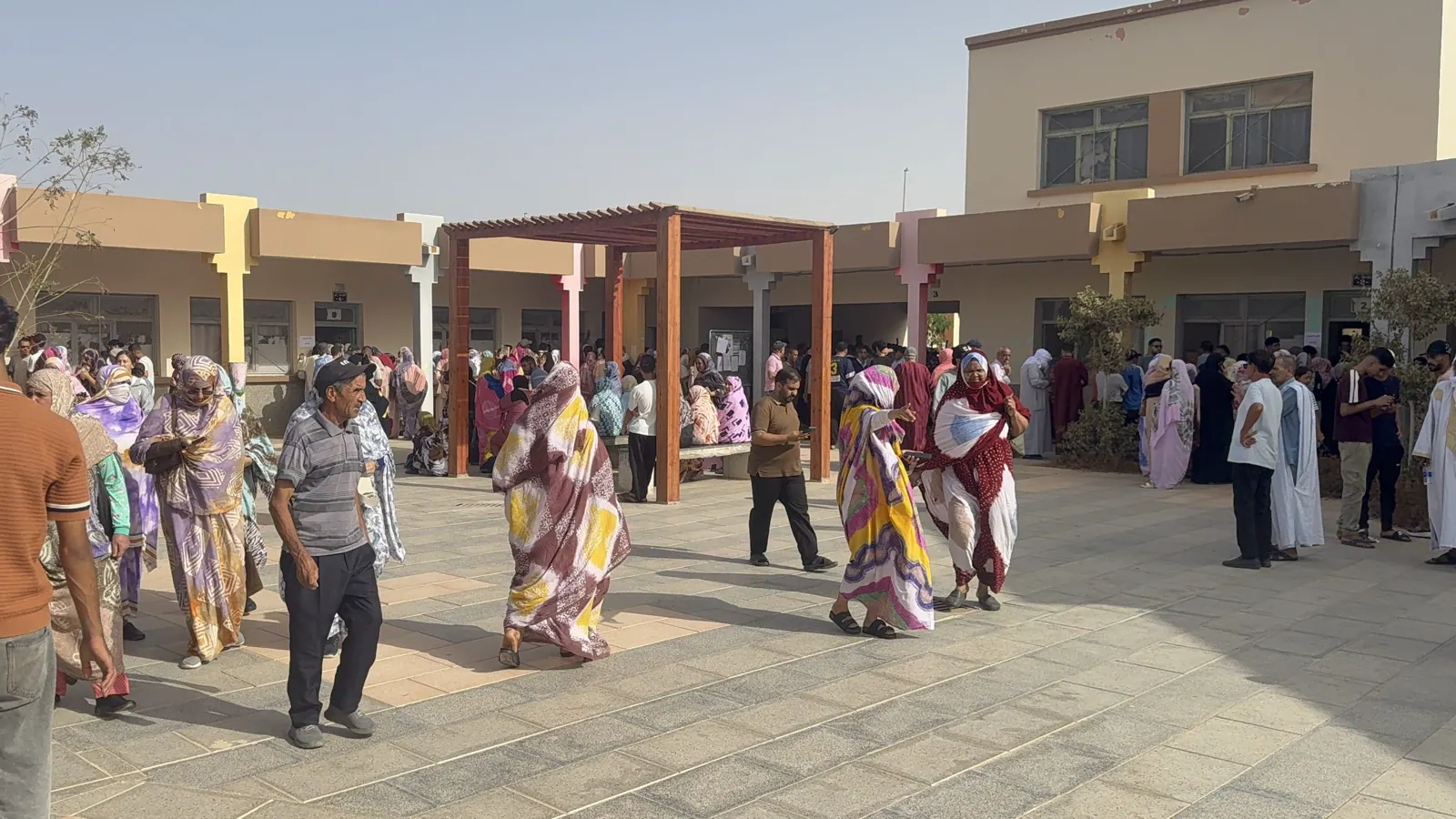
The Moroccan parliamentary elections, held on September 23, have seen a significant turnout in the Laayoune region of Western Sahara. As of midday, the region recorded a participation rate of 28.31%, with Laayoune city registering 31.92%. This high turnout is a notable development, especially when compared to previous years. Several factors are believed to have contributed to this increased participation.
The sense of national duty among the local population is seen as a key factor in the high turnout. Many residents now view voting as a crucial civic responsibility, marking a shift away from past apathy. This change in attitude is attributed to a growing awareness that their votes can influence the political landscape and shape the future of their region.
The pre-election campaigns by political parties also played a significant role in mobilizing voters. Parties presented their electoral programs, explained their objectives, and engaged with the local population, emphasizing the importance of participation. Large gatherings, such as those organized by the Istiqlal party, which drew 60,000 attendees, helped galvanize support and encourage voters to cast their ballots.
Tribal mobilization has been another important factor in the high turnout. Local tribes and communities actively supported the electoral process, hosting candidates and expressing their backing for those they deemed worthy of representing their interests. This tribal engagement not only reflected the significance of the elections but also underscored the connection between the local population and their representatives.
For the residents of Western Sahara, particularly in the Laayoune-Sakia El Hamra region, the elections represent a critical juncture in their ongoing struggle for recognition and self-determination. By participating in large numbers, they are asserting their Moroccan identity and reaffirming their commitment to the country's territorial integrity.
The elections are also seen as an opportunity for the local population to respond to external criticisms and misinformation about the region's status. High participation rates are viewed as a demonstration of the population's engagement with the democratic process and their rejection of separatist claims.
The outcome of these elections is expected to have significant implications for the region, both domestically and internationally. As the international community, including the United Nations, prepares to address the Western Sahara conflict, the high turnout in the elections serves as a testament to the region's commitment to finding a solution within the framework of Moroccan sovereignty.
Key points
- The high turnout in the Laayoune region reflects a growing sense of national duty and civic engagement among the local population.
- Tribal mobilization and party campaigns played crucial roles in encouraging voter participation.
- The elections are a critical moment for the residents of Western Sahara to assert their Moroccan identity and respond to external criticisms.