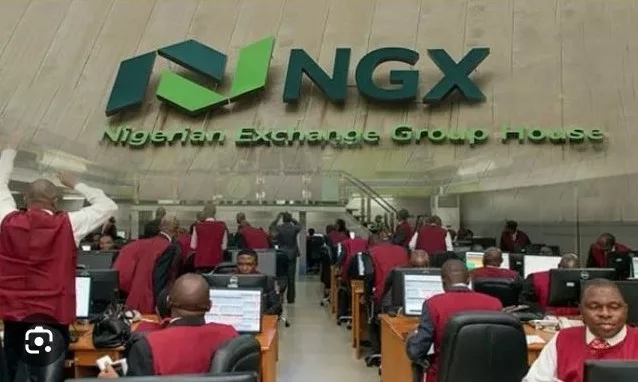
Twenty-two companies listed on the Nigerian Exchange Limited are facing growing financial pressure due to their increasing dependence on borrowed funds to finance their operations. According to data obtained, these companies carried a combined debt of N21.3 trillion in the second quarter of 2026. This has raised concerns about the relationship between companies' obligations and their ability to generate cash. A high debt-to-cash ratio can expose businesses to interest costs, refinancing pressures, and working-capital constraints.
The companies covered include VFD Group, United Capital, UACN, TotalEnergies Marketing Nigeria, and others. Access Holdings recorded the largest debt exposure at N7.27 trillion, followed by Ecobank Transnational Incorporated with N5.36 trillion, and MTN Nigeria at N2.78 trillion. Other major exposures included BUA Cement, Dangote Sugar, Nestlé Nigeria, and UACN. These companies' debt levels have become a significant concern for investors and analysts.
When debt is compared with shareholders' equity, the leverage picture becomes more pronounced. FTN Cocoa Processors recorded the highest debt-to-equity ratio at 28.61, followed by SCOA Nigeria at 14.37 and United Capital at 6.52. Nestlé Nigeria had a ratio of 5.74, while Fortis Global Insurance had a ratio of 4.66. These high ratios indicate that some companies may be struggling to manage their debt levels.
FTN Cocoa's position is particularly notable because its N22.42 billion debt was set against shareholders' equity of only about N783.65 million. SCOA Nigeria, meanwhile, had negative shareholders' equity of N563.76 million, meaning its reported liabilities exceeded its equity base. This situation can lead to significant financial problems if not addressed.
Analysts caution that the figures should not be interpreted as evidence that all 22 companies are facing imminent failure. However, they emphasize the importance of maintaining a balanced debt-to-cash ratio for companies. A high debt-to-cash ratio can signal financial distress, as it reflects the company's ability to meet its liabilities.
According to Mr. Tunde Oyediran, a stockbroker, a high debt-to-cash ratio indicates that a company may struggle to satisfy its creditors when they demand repayment. When creditors seek to collect on debts, a company's inability to fulfill its financial obligations can lead to significant problems. This highlights the need for companies to manage their debt levels effectively.
The situation calls for close monitoring of these companies' financial positions to prevent potential financial crises. Investors and analysts will be watching closely to see how these companies manage their debt levels and generate cash to meet their obligations. The debt-to-cash ratio will be a key indicator of their financial health in the coming months.
Key points
- 22 Nigerian companies face growing financial pressure with combined debt of N21.3 trillion
- High debt-to-cash ratio can signal financial distress and expose businesses to interest costs and refinancing pressures
- Companies must maintain a balanced debt-to-cash ratio to meet their liabilities and avoid financial problems