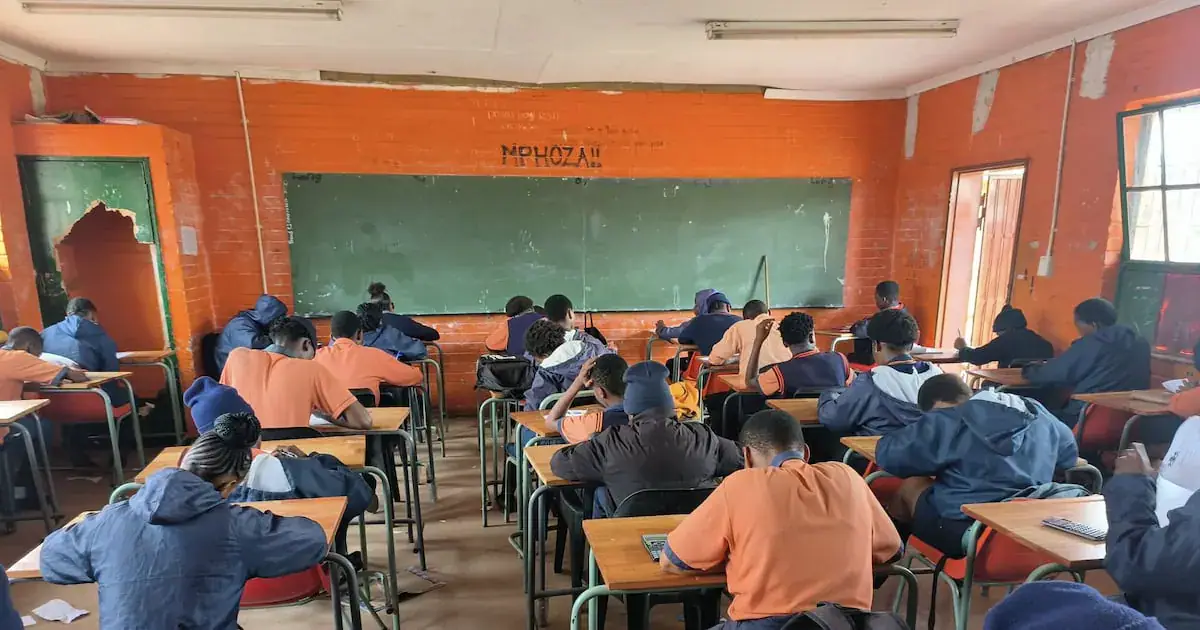
The high court in Pretoria has dismissed Sasfin Bank's application for summary judgment against Thutong Junior Secondary School in Soshanguve, and three officials who guaranteed the school's debt. The bank sought R167,497.50 in unpaid instalments on electronic equipment rented under a 60-month agreement. Judge Richard Mkhabela warned that granting summary judgment could cause an injustice and expose the officials' personal assets to auction. The school and its officials had raised legal defences that could have merit.
The school officials - Elizabeth Mamma Motlana, Dolly Cynthia Madohsela, and Jonas Mashuma Masipa - were sued as guarantors of the debt. The monthly instalment was R2,932.50. The defendants raised legal arguments relating to the State Liability Act and the Institution of Legal Proceedings against Certain Organs of State Act. They argued that the bank had failed to comply with requirements relating to the institution of legal proceedings against state organs.
Judge Mkhabela said a public school is a unique juristic person controlled and indirectly owned by the department of education. The department performs a public function in providing education to the local community. The judge said it was not necessary to make a final finding on whether the provincial education department's executive authority should have been cited in the proceedings. The court only had to determine whether the defendants had raised a genuine defence that deserved to be heard.
The judge said summary judgment proceedings were not meant to prevent defendants with genuine legal defences from having their day in court. The court considered the potential consequences for the three officials, who had guaranteed the school's debt in their personal capacities. Granting summary judgment could allow the bank to issue a warrant of execution and attach the officials' movable assets if the school failed to pay.
Mkhabela said granting summary judgment could allow the bank to force the officials to sell their personal belongings to settle a debt they did not personally benefit from. The judge said it would be unfair to allow the bank to pursue the school's debt through summary judgment when there was a possibility that the officials could be forced to sell their personal belongings.
The bank argued that the entire outstanding amount had become due after the defendants defaulted on their payments. However, the judge said it would not be appropriate at this juncture to shut the door for the defendants. Their defence about the applicability of the State Liability Act may find favour in the trial court.
The court dismissed Sasfin Bank's application for summary judgment, allowing the case to proceed to trial. The defendants' legal defences will be heard and evaluated. The outcome of the trial will determine whether the school and its officials are liable for the debt.
Key points
- The high court warned that granting summary judgment could cause an injustice and expose the officials' personal assets to auction.
- The defendants raised legal arguments relating to the State Liability Act and the Institution of Legal Proceedings against Certain Organs of State Act.
- The court allowed the case to proceed to trial, enabling the defendants to present their defences.