The high cost of politics in Ghana is discouraging women and youth from participating in leadership, despite their ability and ambition to contribute to national development. Hariratah Ibrahim Doudu, Vice President of the Student Representative Council of the Ghana School of Law, shared her experience of overcoming challenges to break into student leadership. However, she faces a new hurdle as she looks to move beyond student leadership and into politics, where money increasingly determines who gets the opportunity to lead.
A 2021 study by the Ghana Centre for Democratic Development estimated that a presidential candidate would need about $100 million to have a viable chance of winning an election, while a parliamentary aspirant would require approximately GH¢4 million. These figures point to a deeper problem in Ghana's political system, where financial resources can become more decisive than competence, ideas, and the willingness to serve. This situation is particularly worrying for women, who continue to face economic and social barriers to political participation.
Women occupy only 40 of the 276 seats in Ghana's current Parliament, representing about 14.5%. Although the number of women in Parliament has increased over the years, the representation remains low, pointing to a persistent structural problem that continues to limit women's access to political power. The Inter-Parliamentary Union's data also shows that men hold more than 85% of the seats in the country's law-making body.
The financial barriers are not limited to women; young people seeking to enter politics also face a system that often demands resources beyond their reach. Ghana has a youthful population, with people aged 15 to 35 accounting for 38.2% of the population. However, their presence in the country's highest decision-making institutions remains limited, with only 46 Members of Parliament aged 40 or younger, according to the IPU's parliamentary age data.
A study by Obaa Akua Konadu-Osei found that financial demands associated with campaigning, such as nomination fees, transportation, and publicity materials, are major obstacles to political participation for young people. One participant noted that having the best ideas or strategy is not enough to win an election without the necessary funds to share on election day. The study also found that women face additional challenges in raising campaign funds due to social expectations surrounding their sources of financial support.
Sherif Ghali, Chief Executive Officer of the Ghana Chamber of Young Entrepreneurs, stated that the high cost of politics is shutting out young people who have the knowledge and capacity to contribute to national development. He argued that young people are often mobilized to participate in political rallies but are rarely given opportunities to occupy positions where decisions are made. Ghali identified nomination fees, campaign expenses, and the delegate system as factors making political participation expensive.
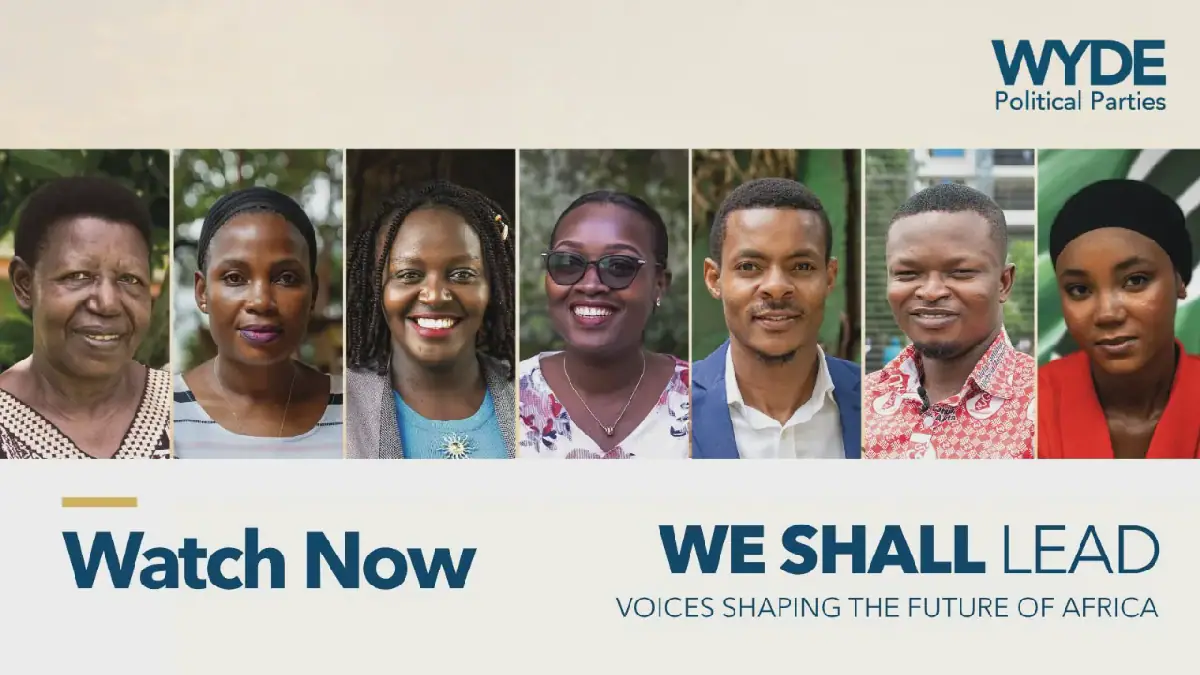
The European Union Women and Youth Democratic Engagement project seeks to strengthen the participation of women and young people in democratic processes. The project's documentary, We Shall Lead: Voices Shaping the Future of Africa, examines the participation of young people and women in politics and public life. The high cost of politics in Ghana has significant implications for the country's democratic development and representation.
Key points
- Women and youth in Ghana face significant barriers to political participation due to high costs associated with contesting elections.
- The high cost of politics in Ghana can lead to a lack of representation of women and youth in leadership positions.
- Financial resources have become more decisive than competence, ideas, and willingness to serve in Ghana's political system.