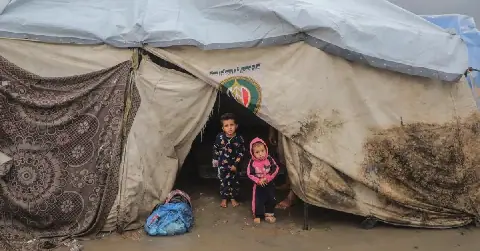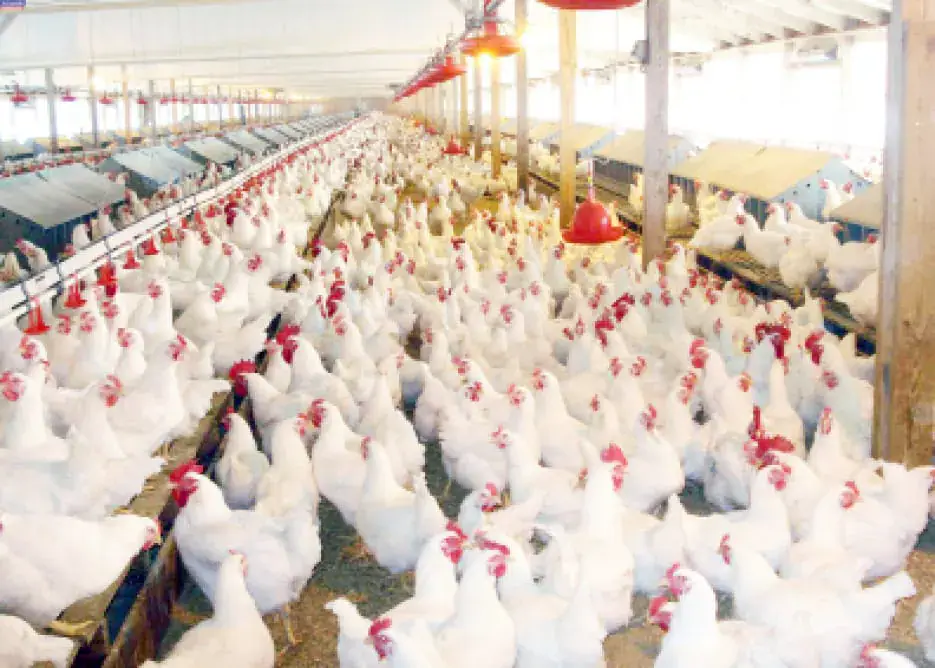
A recent survey conducted in Kebbi, Sokoto, and Zamfara states revealed that many poultry farmers and animal breeders have abandoned their businesses due to the high cost of feeding. The prices of animal feeds have been increasing due to security challenges in rural settlements, which have prevented most rural dwellers from cultivating their farms. As a result, a high percentage of residents have relocated to urban settlements, while some farms in urban areas have shut down.
According to Dr. Abubakar Umar-Bunza, a veterinarian in Kebbi, the high cost of feed is forcing poultry farmers in Kebbi out of business, with some small farms already shut. He attributed the high cost of feed to the removal of fuel subsidy, which triggered inflation and raised the cost of producing crops used in feed. Maize, which accounts for about 55% of poultry feed, has become particularly expensive, with a 100kg bag reaching almost N70,000 at its peak.
Umar-Bunza listed transport costs, fertilizer prices, and the exchange rate as other factors contributing to the high cost of feed. He noted that competition for grains between humans and animals, as well as insecurity that keeps farmers away from their farms, have also tightened supply. For instance, transporting 1,200 bags of feed from Kano state used to cost about N300,000 but now costs between N1.2 million and N1.5 million.
The high cost of production has discouraged many small-scale poultry farmers, with some abandoning the business. Madina Ya'u, a poultry farmer in Gesse Phase II, Birnin Kebbi, said the situation had become increasingly difficult, forcing her to reduce the number of birds on her farm. She noted that the cost of feeding the birds, purchasing vaccines, and paying workers had continued to rise, while the selling prices of eggs and poultry products had not increased proportionately.
In Zamfara state, the President of the Poultry Association of Nigeria (PAN), Zamfara Chapter, Alhaji Zayyanu Ahmad, lamented that poultry farmers are seriously facing a lack of patronage due to the persisting economic hardship. He called on the government to intervene, noting that the poultry industry contributes to Nigeria's Gross Domestic Product but is now witnessing a setback due to the hike in the price of feeds.
The situation in Zamfara mirrors that of other states, with a bag of feed that sold for N9,000 last year now selling between N20,000 and N23,000. The prices of maize and soybeans, the major components of feed, have tripled. Market surveys show that starter feed sells for about N22,500, finisher for N22,000, and layer feed for about N16,000.
The Commissioner for Animal Health, Husbandry, and Fisheries, Alhaji Kabiru Alaramma, said the state government is about to complete its veterinary hospital at Bulasa as part of efforts to boost livestock production and businesses in the state. The hospital will have small and large animal clinics, poultry and avian clinics, surgical theaters, and a laboratory, and will serve as a referral and training center.
Key points
- The high cost of animal feed is forcing poultry farmers in northwest Nigeria to abandon their businesses.
- The price of feed has increased due to security challenges, fuel subsidy removal, and inflation.
- The situation has affected most rural communities across the three states, with many residents relocating to urban settlements.
Reporting sources
- How High cost of feed is killing poultries – Report · Daily Trust