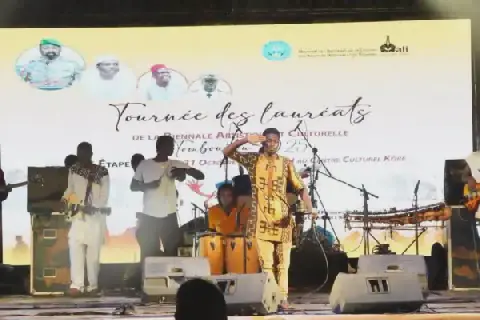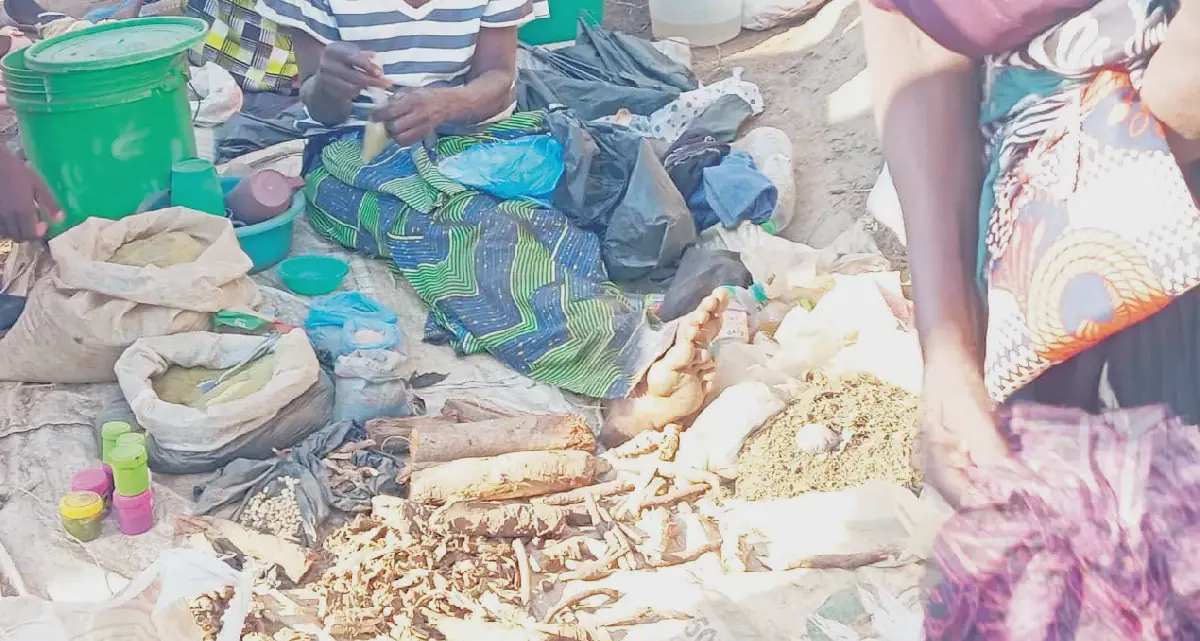
The Mulhakho wa Alhomwe cultural festival, held annually in Malawi's Mulanje district, has once again drawn large crowds, with many attendees flocking to purchase herbal medicines from local vendors. The festival, which took place from October 16 to 18, is renowned for its diverse array of herbal remedies, with some claiming to boost sexual drive. Chairperson of the Mulhakho wa Alhomwe Cultural Organisation, Mchanakwaye Mpuluka, had previously touted the festival's herbal medicine offerings, including a concoction called Gondo Gin.
At the festival, vendors such as John Magasu, who calls himself Dr. Magasu, were selling various herbal medicines, including Tseketseke, Mchape, and Mthubulo. However, when questioned about the dosage of Mchape, which he claimed could cleanse the body of toxins, Dr. Magasu was unable to provide clear instructions, stating only that customers needed to finish a 500-milliliter bottle of the liquid. This lack of transparency and regulation has raised concerns among health experts.
The Kamuzu University of Health Sciences (Kuhes) recently dedicated a Science Café to discussing herbal medicine, with a focus on integrating traditional, complementary, and alternative medicine into Malawi's health system. The event, held in Blantyre, featured panelists from Ghana, including Professor Isaac Kingsley Amponsah, who shared his country's experience in translating traditional knowledge into safe and regulated products. Amponsah emphasized the need for Malawi to invest in research and develop laws governing the practice of herbal medicine.
Professor Amponsah noted that Malawi has the potential to develop products from herbal medicine, given its abundance of medicinal plants, researchers, and government willingness. He encouraged the country to take a step-by-step approach, acknowledging that challenges would arise but could be overcome. Meanwhile, Francis Malunga, representing naturopathic nursing practitioners, stressed the importance of education and inclusivity in promoting herbal medicine, highlighting its potential to create jobs and attract medical tourism.
The Malawi Government has demonstrated its commitment to developing herbal medicine, pledging seven key national commitments at the second WHO Global Summit on Traditional Medicine. These commitments include revising the National Traditional Medicine Policy, enacting the Malawi Traditional Medicine Act, and establishing a National Laboratory for Herbal Quality Control. Deputy Director of Curative and Medical Rehabilitation, Dr. Nitta Chinyama Nayeja, confirmed that these commitments remain in place.
As part of its contribution to the sector, Kuhes has announced plans to introduce a Bachelor of Science Degree in Herbal Medicine. Executive Dean of the School of Life Sciences and Allied Health Professions, Associate Professor Arox Kamng'ona, made the announcement, signaling a significant step towards formalizing herbal medicine education in Malawi. This development is expected to help standardize the practice and ensure safer, more effective treatments.
The debate surrounding herbal medicine in Malawi highlights the need for balance between preserving traditional knowledge and ensuring public safety. While herbal medicines have been used for centuries, their regulation and integration into the formal health system require careful consideration. As Malawi moves forward, it will be crucial to address concerns around dosage, efficacy, and safety, ultimately providing citizens with access to reliable and effective healthcare options.
Key points
- Herbal medicine sales are booming at cultural festivals in Malawi, but experts are calling for greater regulation and safety standards.
- The Malawi Government has pledged to develop herbal medicine, with commitments including policy revisions and laboratory establishment.
- Experts stress the need for education, research, and inclusivity in promoting herbal medicine in Malawi.