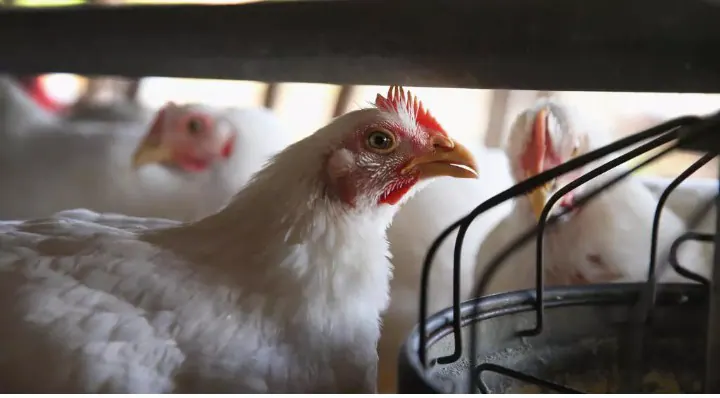
A study conducted by scientists from the University of Yaoundé I in collaboration with the Center for Research in Food and Nutrition of the Institute of Medical Research and Medicinal Plant Studies has detected heavy metals, antibiotic residues, and toxins in chicken and eggs in Cameroon. The study, which began in 2015, analyzed samples of food, chicken tissues, and eggs from farms in the Center, Littoral, and West regions, which are major poultry-producing areas.
The study found that cadmium, lead, mercury, mycotoxins, aflatoxins, ochratoxine, and chloramphenicol, a veterinary medicine residue, were among the substances identified in the samples. These contaminants are recognized as toxic to animal and human health. The researchers collected samples from chicken farms and conducted surveys of 900 households, revealing cross-contamination and cumulative practices that need to be reviewed at all stages of the production chain.
The study attributed the contamination to pesticides and fertilizers used in maize, peanut, and soybean fields, which are used to feed poultry. Additionally, some farmers administer antibiotics without following prescribed dosages, and some vendors provide medication to improve the appearance of poultry. The researchers found chloramphenicol, a carcinogenic product, in tissue samples, despite no farms reporting its use.
The study revealed that Cameroon has not established limit thresholds for several of these substances, and the detected quantities often exceed international norms. The presence of chloramphenicol is prohibited due to its carcinogenic properties. The researchers also warned about the consequences of misusing veterinary medicine, which can lead to increased microbial resistance and global public health problems.
The study detected traces of six heavy metals, including lead, nickel, arsenic, cadmium, chrome, and mercury, as well as antibiotic residues in chicken and egg samples. Although the study does not conclude that consuming these products causes cancer, it highlights a significant problem of food chain contamination. The researchers are now seeking funding to analyze the impact of these contaminants on the human body.
The researchers emphasize the need for strengthened sanitary controls in farms and stress that there is no need for panic in response to alarmist messages circulating on social media. They also call for improved practices throughout the production chain to mitigate the risks associated with contaminated chicken and eggs.
The findings of this study have significant implications for public health in Cameroon and other countries in the region that import chicken and eggs from Cameroon. The researchers' recommendations for improved controls and practices will be crucial in reducing the risks associated with contaminated poultry products.
Key points
- Heavy metals and antibiotic residues were detected in chicken and eggs in Cameroon.
- The study highlights the need for strengthened sanitary controls in farms and improved practices throughout the production chain.
- The researchers are seeking funding to analyze the impact of these contaminants on the human body.