Heavy fighting broke out on multiple fronts in Ethiopia on Friday, as government forces clashed with rebel groups, including the Tigray People's Liberation Front (TPLF). The TPLF launched attacks into the neighbouring states of Afar and Amhara, seizing local airports and receiving support from local armed groups. The conflict has raised fears of a return to the devastating blockade imposed on the Tigray region during the civil war in 2020-2022.
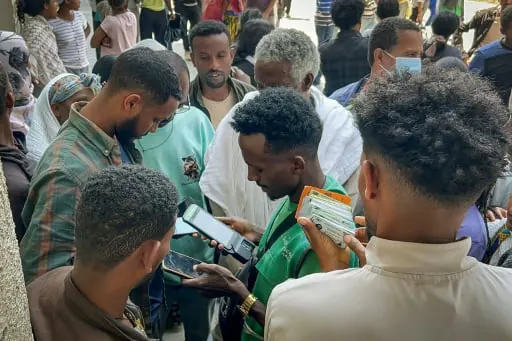
The telecoms disruption in Tigray has sparked panic among locals, with many rushing to buy alternative sim cards as phone networks and the internet experience near-total disruption. The TPLF has forged an alliance with six other armed groups around the country in a bid to overthrow the government of Prime Minister Abiy Ahmed. An eighth group, the Sidama Liberation Front, based in southern Ethiopia, said it had joined the alliance on Friday.
A humanitarian source in Afar reported "heavy fighting overnight", including drone strikes, around the town of Abala in the mountains on the border between Afar and Tigray. Hundreds of thousands of civilians could be displaced, the source warned. Conflict monitor ACLED reported "heavy fighting" in western Tigray at May Gaba and Tselimo, with an unspecified number of TPLF fighters surrendering but being replaced by reinforcements.
In Amhara, the army claims to have killed more than 700 TPLF fighters, but has given no numbers for army or civilian casualties. Clashes were reported in North Wollo Zone of Amhara on Thursday, including around the UNESCO World Heritage sites in Lalibela, home to Ethiopia's famed rock churches. The conflict could draw in neighbouring Eritrea on the side of the rebels, as it fears landlocked Ethiopia has been planning to invade and seize a direct access to the Red Sea.
The government has a significant military advantage, with a large arsenal of drones, an army of some 500,000 troops, and the support of external actors, notably the United Arab Emirates. Clionadh Raleigh, head of ACLED, said in a report that while it was not yet all-out war, she could not see any "brakes in the system that prevent it from escalating further". The US embassy sided with Ethiopia's government this week, saying it was "disappointed" with the TPLF offensive.
Panic buying has been reported in Tigray, with prices for basic goods spiking as locals rush to stock up on supplies. Samuel Gebreslassie, 37, who works in a spice shop in the Tigrayan capital, Mekelle, said there was "panic in the community" and a deep fear that banks, telecom networks, electricity, and basic goods could be cut off again. The TPLF ruled the whole of Ethiopia from 1991 to 2018 before being sidelined with Abiy's rise, eventually triggering a civil war marked by widespread war crimes and sexual violence.
The Pretoria Peace Agreement of 2022, brokered by African institutions and Washington, maintained an uneasy calm until last year but was never fully implemented, with around one million people still displaced. Sporadic clashes then resumed, with the federal forces launching multiple drone strikes in Tigray in recent months and massing troops at the border. Rights groups have accused the TPLF of a campaign of forced recruitment this year as it prepared for renewed conflict.
Key points
- The conflict in Ethiopia has sparked fears of a return to the devastating blockade of the Tigray region, which could lead to widespread humanitarian crises.
- The TPLF has forged an alliance with seven armed groups in a bid to overthrow the government of Prime Minister Abiy Ahmed.
- The conflict could draw in neighbouring Eritrea on the side of the rebels, as it fears landlocked Ethiopia has been planning to invade and seize a direct access to the Red Sea.