Healthcare workers in Kenya have raised concerns over the country's ability to handle Ebola cases, citing a shortage of personal protective equipment, isolation facilities, and inadequate surveillance at entry points. The concerns come after a Kenyan citizen who had been living in the Democratic Republic of Congo (DRC) died of Ebola on October 6. The patient had traveled to Kenya, sparking fears of a potential outbreak.
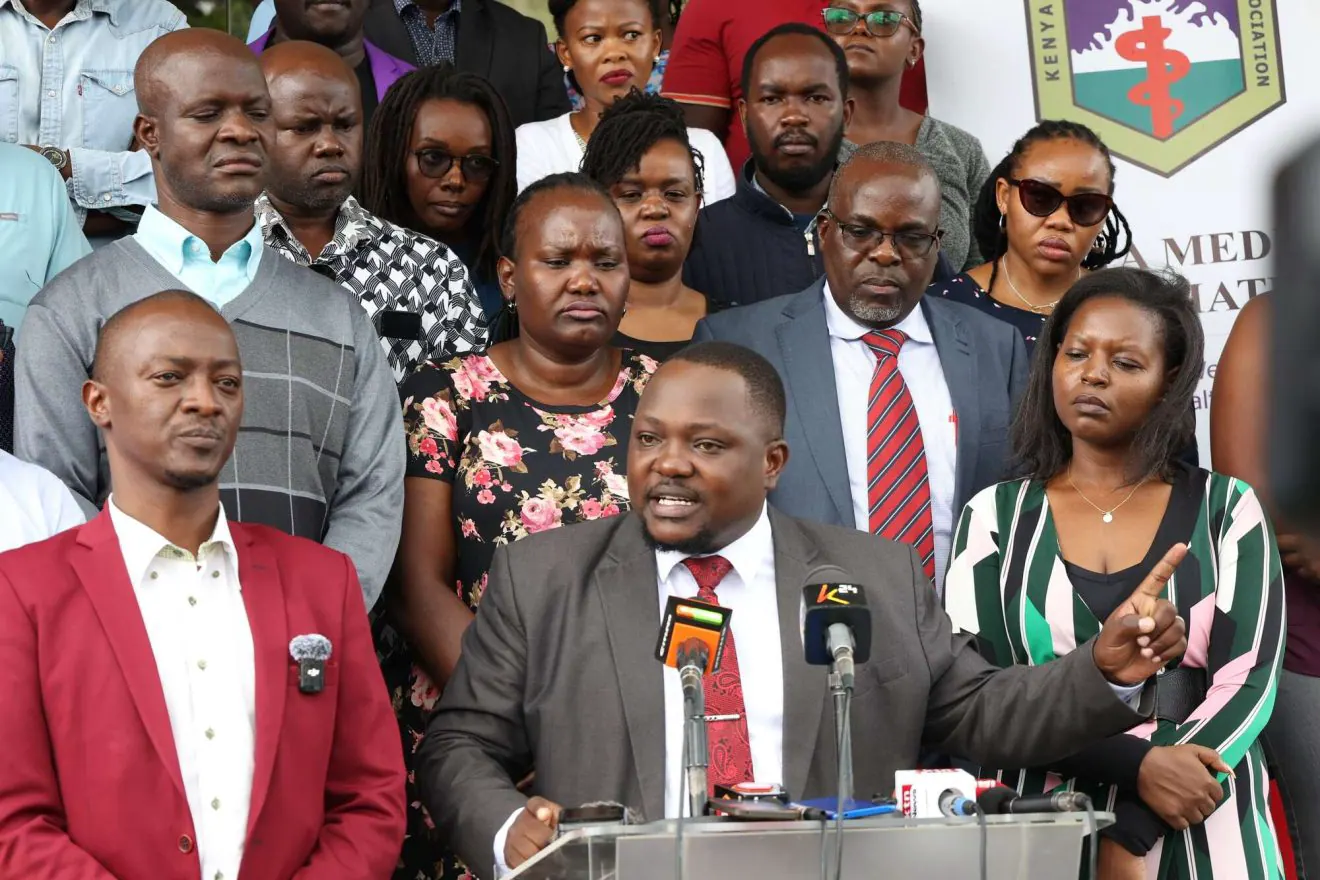
Despite the World Health Organization (WHO) stating that Kenya's preparedness had improved from 66% to 82% by July 2026, healthcare workers argue that the reality on the ground is different. Dr. Davji Atella, Secretary General of the Kenya Medical Practitioners, Pharmacists and Dentists Union (KMPDU), said that the situation has created fear among healthcare workers and citizens, with a shortage of staff being a major concern.
Dr. Atella emphasized that preparedness cannot just be a matter of planning, but must be reflected in tangible actions. He called on the government to provide all necessary requirements, including personal protective equipment and isolation facilities. Dr. Dennis Miskellah, Deputy Secretary General of KMPDU, added that isolation facilities must be equipped with sufficient resources, and healthcare workers must be provided with protective gear.
Mohamed Duba, Secretary General of the Public Health Officials Association, said that surveillance at entry points needs to be strengthened. He noted that some temperature-measuring machines were not functioning, and many entry points lacked isolation rooms for suspected cases. Duba emphasized that public health officials need to work together with other healthcare professionals during outbreaks.
Duba also called for a robust system for the Kenya Centre for Disease Control and Prevention (KCDC), stating that it should be given a greater role in preventing outbreaks rather than just responding to them. He emphasized that the strength of the public health system should not be measured just by its ability to respond to outbreaks, but also by its ability to prevent them.
Duba criticized the national government for failing to fill vacancies left by retired or departed public health officials, leading to a shortage of skilled personnel. He noted that this had left many qualified individuals without jobs, further weakening the public health system. Brown Ashira, Secretary General of the Kenya Public Health Association, said that public health officials have been neglected despite being on the frontlines of responding to infectious diseases.
The concerns raised by healthcare workers highlight the need for Kenya to strengthen its preparedness and response to Ebola and other infectious diseases. The government must take tangible actions to address the shortages and gaps in the healthcare system to prevent a potential outbreak from becoming a major crisis.
Key points
- Healthcare workers in Kenya have raised concerns over the country's preparedness to handle Ebola cases.
- The concerns come after a Kenyan citizen died of Ebola on October 6.
- Healthcare workers are calling for the government to provide more resources, including personal protective equipment and isolation facilities.