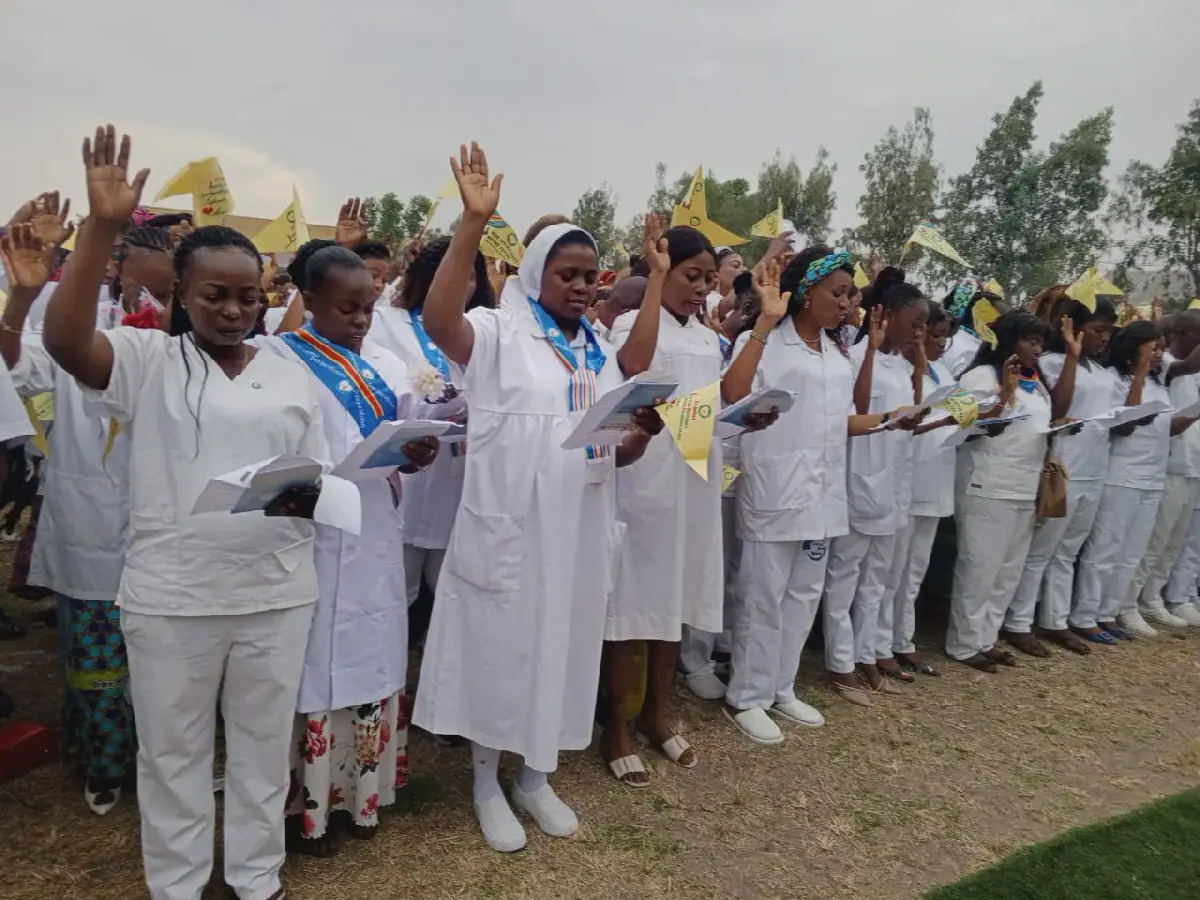
A nationwide strike by health workers in the Democratic Republic of Congo has entered its fifth week, severely impacting public healthcare services across the country. The strike, initiated by the Intersyndicale du secteur de la santé, aims to address the poor working conditions of healthcare professionals. Nurses and other health workers are demanding improved remuneration, promotions, and risk allowances. The strike has resulted in disrupted hospital services, difficulties in accessing care, and growing concern among families.
The strike has affected hospitals in various regions, including Kinshasa, Maniema, Sankuru, Kongo-Central, and Haut-Katanga. Patients are struggling to access essential medical care, and the situation is becoming increasingly dire. The strike has reignited debates about the working conditions of healthcare professionals, government commitments, and the continuity of care in public healthcare facilities.
Joseph Kibangula Nkoko, secretary-general of the Union Nationale des Infirmières et Infirmiers du Congo (UNIIC), is a key figure in the strike. As a member of the Intersyndicale du secteur de santé, Nkoko has been vocal about the demands of the healthcare workers. He joins Laddy Yangotikala Senga, a medical doctor and national deputy, and Polydor Tangeli, an analyst and expert on labor issues, in calling for a resolution to the crisis.
The strike has significant implications for the healthcare system in DRC. With many hospitals and clinics unable to operate at full capacity, patients are being forced to seek care in private facilities or travel long distances to access medical attention. The situation is putting a strain on the already under-resourced healthcare system, and there are concerns about the impact on public health.
The government has not yet made a definitive statement on the strike, but experts say that urgent action is needed to address the concerns of healthcare workers. Failure to do so could lead to a prolonged crisis, exacerbating the existing healthcare challenges in DRC. The strike has also raised questions about the government's commitment to improving working conditions and providing adequate healthcare services to citizens.
Experts, including Polydor Tangeli, emphasize the need for a comprehensive approach to address the root causes of the strike. This includes not only addressing the immediate demands of healthcare workers but also implementing long-term solutions to improve working conditions, infrastructure, and healthcare services. The situation requires a collaborative effort from the government, healthcare professionals, and other stakeholders to find a sustainable solution.
As the strike continues, the humanitarian situation in DRC is likely to deteriorate. The international community is watching closely, and there are calls for a peaceful resolution to the crisis. The outcome will have significant implications for the healthcare system in DRC and the well-being of its citizens.
Key points
- The strike by health workers in DRC has disrupted public healthcare services nationwide, with significant implications for patients and the healthcare system.
- Healthcare workers are demanding improved working conditions, including better remuneration, promotions, and risk allowances.
- The government faces pressure to address the concerns of healthcare workers and find a sustainable solution to the crisis.