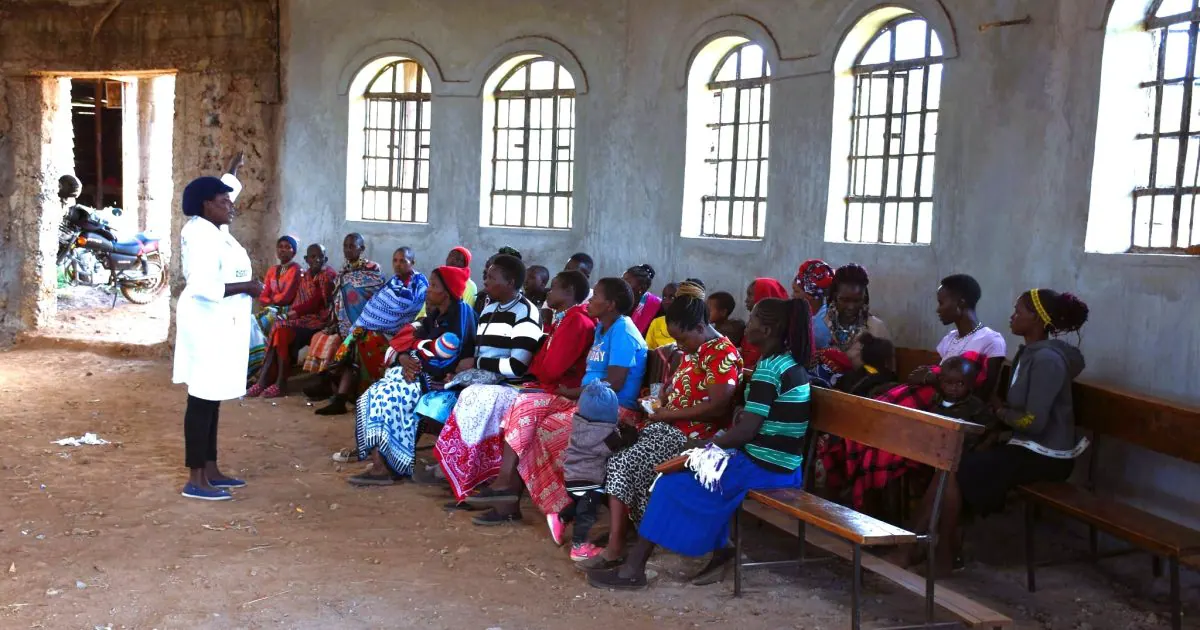
Health authorities in Kajiado North Sub-County have initiated measures to prevent outbreaks of waterborne and other diseases during the anticipated El Niño rains. The Sub-County Chief Health Officer, Timothy Mutiso, stated that the department is on high alert for diseases such as cholera, diarrhea, and malaria, which often increase during periods of heavy rainfall and flooding.
Areas like Ongata Rongai and Mathare in Ngong are particularly vulnerable to cholera due to poor sanitation, limited access to clean water, and densely populated informal settlements. Mutiso emphasized that the department is utilizing Community Health Promoters (CHPs) to educate residents on disease prevention while collaborating with other county departments to improve drainage and reduce the risk of flooding and contamination.
Residents are being urged to boil drinking water and maintain proper sanitation, especially in areas where sewage and storm water could contaminate water sources. Ngong Sub-County Hospital and Ongata Rongai Sub-County Hospital have identified facilities that could serve as isolation units in the event of a disease outbreak.
The health department is conducting weekly disease surveillance to detect and respond to unusual cases early. Mutiso mentioned that the One Health approach, which brings together different departments, is being employed to strengthen preparedness. He also called on the county government to ensure health facilities are adequately stocked with essential medicines and to intensify public awareness ahead of the rains.
Residents in informal settlements, such as Sophia Osego from Embulbul, expressed concern about the health risks posed by flooding. Osego noted that children, particularly those who have not yet joined school, are vulnerable during the rainy season and urged authorities to strengthen preventive health measures.
Ngong Community Health Volunteer Mary Metkei reported that health workers are conducting water sampling, health education, and monitoring drainage areas to identify possible sources of contamination. However, Metkei mentioned that the area faces a shortage of water-sampling containers, which she described as a challenge in efforts to regularly test water quality.
Kajiado County Director of Meteorological Services Benson Lubanga Ogada urged residents and stakeholders to take precautionary measures and prepare adequately for the expected rains. The Ministry of Health has rolled out an El Niño preparedness plan in 18 high-risk counties as Kenya braces for heavy rains and their potential impact on public health.
Key points
- Health authorities in Kajiado North Sub-County are on high alert for diseases such as cholera, diarrhea, and malaria.
- The health department is utilizing Community Health Promoters (CHPs) to educate residents on disease prevention.
- The Ministry of Health has rolled out an El Niño preparedness plan in 18 high-risk counties.