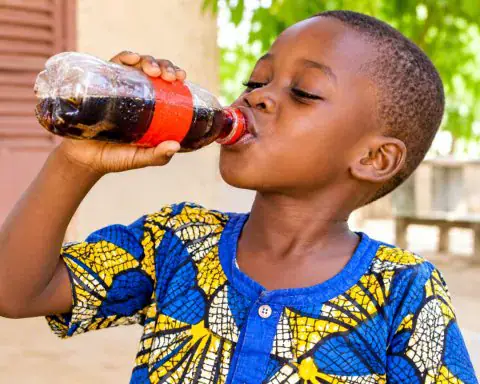
Fizzy drinks are a staple in many children's diets in Burkina Faso, often preferred over water due to their sweet taste and refreshing quality. However, these beverages have severe consequences on children's health, particularly when consumed excessively. According to dietician Yasmine Zerbo, the primary concern with fizzy drinks is their high sugar content, which can lead to weight gain, increased risk of type 2 diabetes, and unhealthy eating habits.
The high sugar content in fizzy drinks also affects children's dental health, promoting the growth of bacteria that cause tooth decay. Additionally, the acidity in these drinks can weaken tooth enamel, leading to sensitivity and premature tooth deterioration. Zerbo emphasizes that fizzy drinks provide little nutritional value, offering a false sense of fullness that can lead to excessive calorie intake and contribute to childhood obesity.
Obesity and overweight issues in children are associated with a higher risk of diabetes and cardiovascular diseases in adulthood. Furthermore, some fizzy drinks contain caffeine, which can cause agitation, nervousness, and sleep disorders in children. Zerbo warns that energy drinks are even more concerning and are not suitable for children and adolescents.
Regular consumption of fizzy drinks can lead children to neglect more nutritious beverages and foods. Parents play a crucial role in shaping their children's eating habits, and Zerbo advises limiting fizzy drink consumption to prevent it from becoming a daily habit. She recommends water as the primary beverage for hydration and encourages parents to read nutritional labels to identify drinks high in sugar.
Parents can promote healthy eating habits by providing fruits, adapted milk, and traditional beverages with low sugar content. Zerbo suggests that parents should also set an example by prioritizing water consumption. Additionally, parents can encourage children to eat whole fruits instead of fruit juices with added sugars.
The Burkinabé population is encouraged to be mindful of the risks associated with fizzy drinks, particularly for children. By adopting healthier habits and making informed choices, parents can help prevent diet-related health issues in their children. Zerbo's recommendations aim to promote a balanced diet and encourage a healthier relationship with food and beverages.
Health experts and parents alike are working to address the growing concern of unhealthy eating habits among children in Burkina Faso. By raising awareness about the risks of fizzy drinks and promoting healthier alternatives, the country can take steps towards reducing diet-related health issues and fostering a healthier population.
Key points
- Fizzy drinks pose significant health risks to children in Burkina Faso, including tooth decay, obesity, and sleep disorders.
- Parents play a crucial role in shaping their children's eating habits and can promote healthier choices by limiting fizzy drink consumption.
- Water and whole fruits are recommended as healthier alternatives to fizzy drinks and sugary beverages.