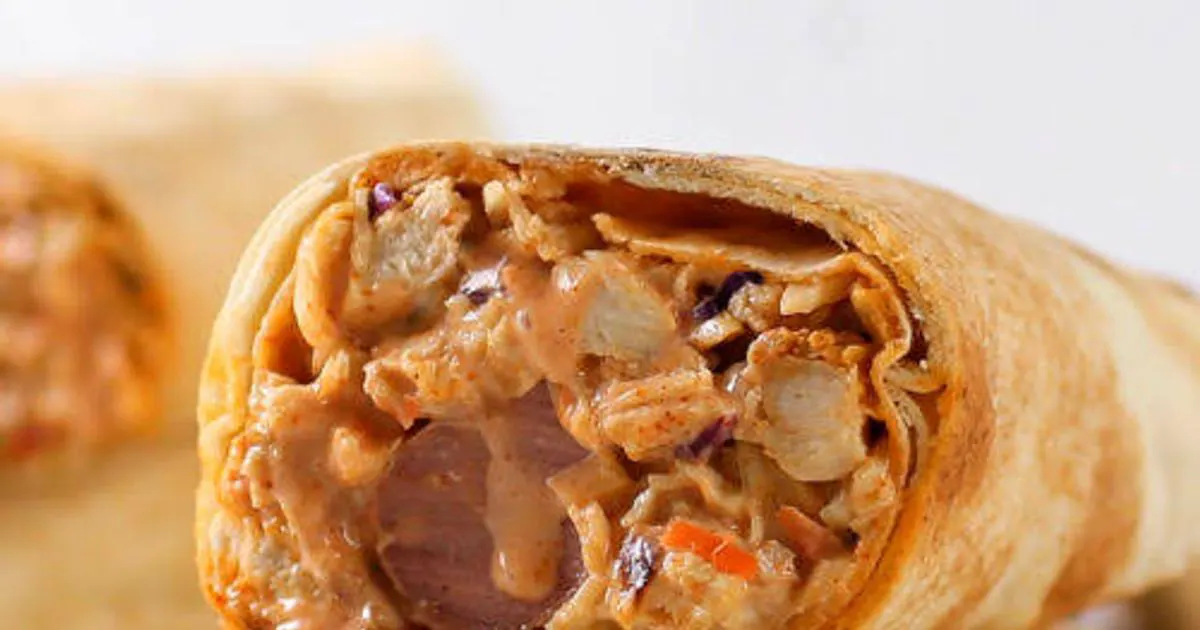
Frequent consumption of shawarma in Nigeria may expose individuals to foodborne illnesses and increase long-term health risks associated with processed meat, salt, and excess calories. Health experts have raised concerns about the nutritional content of shawarma and the way some vendors prepare and store its ingredients. The concerns range from foodborne infections caused by poor hygiene to longer-term health risks associated with diets high in processed meat, salt, sugar, and unhealthy fats.
Processed meat, including sausages commonly added to shawarma, is linked to colorectal cancer. The World Health Organisation's International Agency for Research on Cancer has classified processed meat as carcinogenic to humans. This classification was based on sufficient evidence that consuming processed meat causes colorectal cancer. However, experts emphasize that occasional shawarma consumption is unlikely to cause cancer or kidney disease, but regular and high consumption over time increases the associated cancer risk.
Experts also raised concerns about the amount of salt and sugar present in some shawarma meals. Shawarma can contain processed meat, heavily seasoned chicken, sauces, and other ingredients that increase the overall sodium and calorie content of the meal. Eating too much sodium can contribute to high blood pressure, which is an important risk factor for chronic kidney disease. Regularly eating meals high in salt and calories can contribute to conditions such as hypertension, obesity, and diabetes, which can subsequently affect kidney health.
The creamy sauces used in some shawarma can add substantial amounts of fat and calories to an already energy-dense meal. Some shawarma vendors use several tablespoons of mayonnaise-based or creamy sauces in a single wrap. The issue is not simply mayonnaise itself, but how much is used and how it is stored and handled. A mayonnaise-based sauce that is improperly stored, particularly in hot conditions, can create an environment where harmful microorganisms multiply.
Poor food hygiene can cause illness much sooner than long-term health risks. An investigation by PUNCH Healthwise observed exposed chicken and sauces, vegetables kept without adequate protection, and food-handling practices that raised hygiene concerns. In one instance, a vendor was observed handling food and collecting money with the same hand. Some ingredients were also reportedly kept in conditions where they could be exposed to dust, flies, and other contaminants.
Some Nigerians have reported falling sick after eating shawarma, with symptoms such as diarrhoea, vomiting, stomach pain, and weakness. At least one person reported requiring hospital treatment after becoming severely ill. While these individual accounts do not prove that shawarma caused their illnesses, they illustrate why food preparation, storage, and hygiene matter when buying ready-to-eat food.
Research has also found bacteria in shawarma samples. A peer-reviewed study examined 199 ready-to-eat food samples in Lagos, including 35 shawarma samples, and found bacterial contamination in the samples. The study identified organisms such as Klebsiella, Proteus, and Bacillus among the bacteria detected in the ready-to-eat foods. Experts advise Nigerians to eat shawarma less frequently and pay attention to how and where it is prepared to minimize health risks.
Key points
- Frequent shawarma consumption may increase exposure to unhealthy levels of salt, sugar, fat, and processed meat.
- Processed meat in shawarma is linked to colorectal cancer.
- Poor handling and storage of shawarma ingredients can increase the risk of foodborne illness.