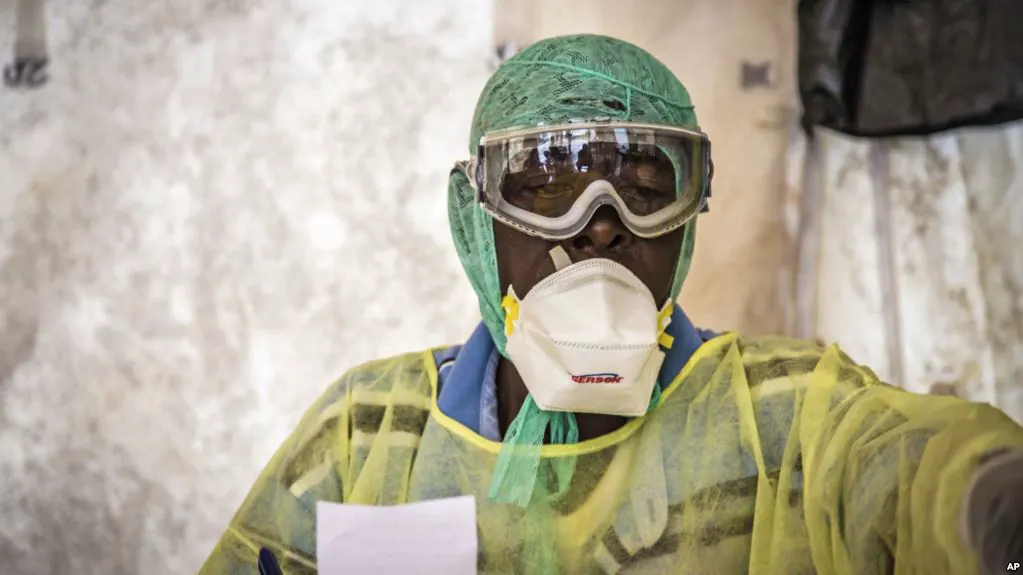
September brought significant developments across Nigeria’s health sector, from new maternal health interventions and healthcare financing to local production of essential health products. The Nigerian government and health authorities implemented various measures to address emerging health challenges, both locally and regionally. One of the major concerns was the ongoing Ebola outbreak in the Democratic Republic of the Congo (DRC). As of September 21, the DRC had recorded 7,773 confirmed cases and 3,759 deaths across 63 health zones in seven provinces.
In response to the Ebola outbreak, Nigeria strengthened its surveillance measures. The Nigeria Centre for Disease Control (NCDC) said travellers arriving from countries with active or relevant Ebola transmission may be required to complete a Health Declaration Form. This move aimed to enhance the country's preparedness and response to potential Ebola cases. Meanwhile, Nigeria also faced a significant challenge with Lassa fever, which recorded 1,086 confirmed cases and 259 deaths across 24 states and 118 Local Government Areas. The case fatality rate rose to 23.9 per cent, with late presentation, high treatment costs, and poor health-seeking behaviour identified as contributing factors to the high death rate.
The federal government launched new incentives to increase the use of maternal and newborn health services under the Maternal and Neonatal Mortality Reduction Innovation Initiative (MAMII). This intervention sought to address barriers that prevent women and newborns from accessing timely, quality healthcare, including antenatal care, skilled delivery, and postnatal services. The initiative aimed to improve maternal and child health outcomes by providing financial and non-financial incentives to pregnant women and new mothers. Additionally, a maternal health intervention in Kaduna State strengthened the capacity of primary healthcare workers to detect and manage postpartum haemorrhage, one of Nigeria’s leading causes of maternal deaths.
Nigeria began local production of dual-active-ingredient insecticide-treated mosquito nets as part of efforts to strengthen malaria prevention and reduce dependence on imported health products. At full capacity, the new manufacturing facility was expected to produce about 10 million nets annually and create more than 600 jobs. This development was a significant step towards self-sufficiency in the production of essential health products. The federal government also announced a target to produce at least 70 per cent of Nigeria’s essential healthcare products locally by 2030 as part of efforts to strengthen medicine security and reduce dependence on imports.
The government said it had secured about $2 billion in financing commitments, while 87 local manufacturers benefited from zero tariffs on pharmaceutical machinery and production inputs. This move was expected to boost local production and reduce reliance on imported health products. In addition to these developments, Plateau State recorded 469 suspected diphtheria cases and 31 deaths, with cases reported across 10 of the state’s 17 local government areas. The state government said 160,000 children had been vaccinated as authorities intensified immunisation, surveillance, and public awareness efforts to contain the outbreak.
African health leaders warned that a 30 per cent reduction in malaria financing could lead to an additional 146 million cases and nearly 400,000 deaths on the continent by 2030. The warning renewed calls for stronger domestic financing as African countries account for the overwhelming majority of the global malaria burden. Nigeria, being one of the countries with a high malaria burden, would need to prioritize domestic financing to address this challenge. The country's progress in reducing malaria cases and deaths would depend on its ability to mobilize resources and implement effective interventions.
The various developments in Nigeria's health sector in September highlighted the country's efforts to address emerging health challenges and strengthen its health systems. From Ebola and Lassa fever outbreaks to maternal health initiatives and local production of essential health products, the government and health authorities demonstrated their commitment to improving health outcomes. However, challenges such as reducing dependence on imports, increasing domestic financing for malaria, and addressing the high death rate from Lassa fever remained.
Key points
- Nigeria strengthens surveillance measures in response to the Ebola outbreak in the DRC.
- The country launches incentives to increase the use of maternal and newborn health services.
- Nigeria targets 70 per cent local production of essential health products by 2030.