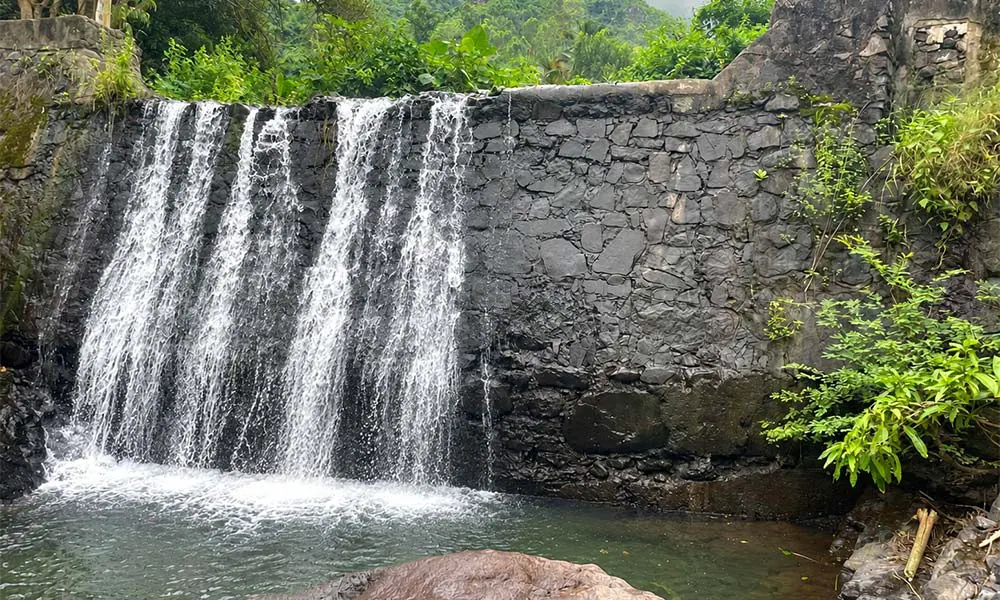
The Ministry of Health in Cabo Verde has issued a warning to the population to avoid bathing in dams and waterfalls on the island of Santiago, particularly in areas where cases of schistosomiasis have been identified. The disease, caused by a parasite that can enter the human body through the skin when in contact with contaminated freshwater, has been reported in the municipality of São Miguel, with seven cases recorded in 2022 and over 40 cases reported by June 2026.
According to Deputy Carla Carvalho of the PAICV party, the increase in cases of schistosomiasis in São Miguel is a cause for concern, with the disease now spreading beyond the Ribeira de São Miguel area. Carvalho called for stronger intervention from health authorities to address the issue. In response, Health Minister Lúcio Fernandes stated that the total number of accumulated cases is 182, mostly in the Ribeira Principal area.
To raise awareness about the risks associated with contact with potentially contaminated water, the Ministry of Health is producing public service announcements for television and radio. Minister Fernandes advised the population to avoid bathing in dams and waterfalls on the island of Santiago, especially in areas where schistosomiasis cases have been identified. The Ministry is working with local authorities to install warning signs and ban bathing in high-risk areas.
The National Institute of Public Health (INSP) and the National Directorate of Health are collaborating with the Municipal Police and municipal councils to implement measures to control the spread of the disease. This includes working with specialists from the World Health Organization's (WHO) Regional Committee for Africa, who have experience in dealing with schistosomiasis.
Minister Fernandes revealed that measures to control the host transmitter of the disease are being analyzed, including the presence of frogs in rivers, which is a factor to consider in intervention efforts. The Ministry is also working to educate the public about the risks of schistosomiasis and how to prevent it.
Schistosomiasis is a parasitic disease caused by the Schistosoma mansoni parasite, which can infect humans through contact with contaminated freshwater. The disease is more common in areas with poor sanitation and hygiene. To prevent infection, it is essential to avoid contact with contaminated water, especially when bathing, swimming, or washing clothes.
The Ministry's efforts to combat schistosomiasis include public awareness campaigns and collaboration with local authorities to implement control measures. The WHO's support and expertise will be crucial in helping Cabo Verde tackle the disease. Key points include:
Key points
- The Ministry of Health has reported 182 cases of schistosomiasis, mostly in the Ribeira Principal area.
- The disease has spread beyond the Ribeira de São Miguel area, prompting concerns about its expansion.
- Public awareness campaigns and control measures are being implemented to combat the disease.