The Deputy Minister for Health, Prof. Dr. Grace Ayensu-Danquah, has called for greater integration of traditional medicine into Ghana's mainstream healthcare system. She emphasized that traditional medicine, when properly researched, regulated, and manufactured to approved standards, could play a significant role in expanding access to safe and quality healthcare. This move is part of the government's efforts to improve healthcare outcomes and ensure that traditional medicines used by the public meet the required standards for safety, quality, and effectiveness.
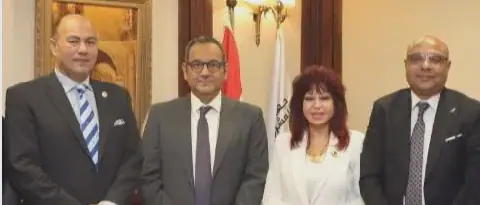
Prof. Ayensu-Danquah made the call during a visit to the Centre of Awareness (COA) Research and Manufacturing Company in the Central Region. She engaged with management and staff, inspecting the company's facilities to assess its compliance with Good Manufacturing Practices (GMP). The Deputy Minister noted that Ghana could learn from countries like China, where traditional and conventional medicine are used alongside each other to complement healthcare delivery.
The integration of traditional medicine into the healthcare system is expected to improve healthcare outcomes, particularly in areas such as non-communicable diseases, including hypertension and diabetes. Prof. Ayensu-Danquah identified these areas as potential applications for traditional medicine, subject to scientific validation and appropriate regulation. The government's Free Primary Healthcare programme, which emphasizes preventive and promotive healthcare, also presents an opportunity to examine how traditional medicine could contribute to primary healthcare delivery.
The CEO of COA Manufacturing Company, Prof. (HC) Samuel Ato Duncan, welcomed the government's efforts to develop the traditional medicine sector. He noted that the company is undertaking research into the potential health benefits of some of its products, including their possible applications in managing cancer and viral diseases. Prof. Duncan stressed the importance of continued research and collaboration between traditional medicine practitioners, researchers, and government institutions to unlock the sector's potential.
Prof. Ayensu-Danquah assured that the Ministry of Health would continue to work with relevant stakeholders to strengthen research, quality assurance, manufacturing, and regulation within the traditional medicine sector. The goal is to create a healthcare system where traditional and conventional medicine can complement each other safely, based on scientific evidence and regulatory standards.
The Deputy Minister's visit to COA Manufacturing Company highlights the government's commitment to developing the traditional medicine sector. The company's efforts to undertake research and develop products that meet GMP standards are seen as crucial steps towards integrating traditional medicine into the mainstream healthcare system. Collaboration between the public and private sectors will be essential in achieving this goal.
The integration of traditional medicine into Ghana's healthcare system has the potential to improve healthcare outcomes and increase access to quality healthcare. With a focus on scientific validation, regulation, and Good Manufacturing Practices, the government aims to create a comprehensive healthcare system that leverages the benefits of both traditional and conventional medicine. Key stakeholders will need to work together to ensure the successful implementation of this initiative.
Key points
- The Ghanaian government is seeking to integrate traditional medicine into the country's healthcare system, with a focus on scientifically validated treatments and Good Manufacturing Practices.
- The integration of traditional medicine is expected to improve healthcare outcomes, particularly in areas such as non-communicable diseases.
- Collaboration between the public and private sectors will be essential in achieving the successful implementation of this initiative.