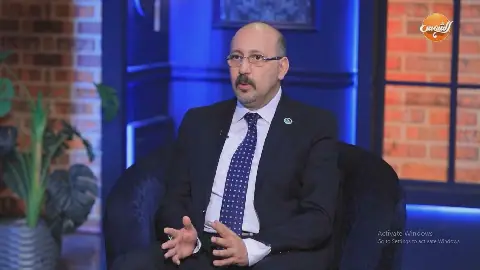
In Egypt, the school is no longer just a place for academic learning but a crucial institution for shaping a student's behavior and health awareness from an early age. Dr. Majdi Badran, a member of the Egyptian Association for Allergy and Immunology, emphasizes that students who learn how to maintain personal hygiene, choose proper nutrition, and respect others are more likely to develop habits that will last a lifetime. This approach is part of a broader strategy to integrate health education into school curricula.
The Egyptian Radio and Television Union reports on the Ministry of Education's plan to expand the use of technology in schools, with a focus on applied technology schools. This initiative aims to enhance the learning experience and prepare students for the future. According to the Institute of Planning, investing in human capital is a key component of this strategy. The Ministry's plan includes the development of new educational programs and the provision of resources to support teachers and students.
The Egyptian education system has witnessed significant changes in recent years, with a focus on diversification and expansion. The establishment of new universities and the introduction of new programs have increased access to higher education. However, there is still a need for greater emphasis on health education and awareness. The Ministry of Education has recognized the importance of health education and has taken steps to integrate it into the school curriculum.
Effective health education in schools requires a comprehensive approach that goes beyond mere information dissemination. It involves developing the educational environment, promoting healthy practices, and providing health services. The Egyptian Association for Allergy and Immunology recommends that health education be integrated into the curriculum and that teachers be trained to provide accurate and reliable information.
The classroom is a critical environment for health education, as students spend a significant amount of time there and are influenced by their teachers and peers. When teachers provide clear health messages and link them to practical activities, students are more likely to adopt healthy behaviors. For example, a science lesson can explain the transmission of microbes, while a practical activity can demonstrate proper handwashing techniques.
The Egyptian Ministry of Education has identified several key areas for health education in schools, including personal hygiene, healthy nutrition, physical activity, and mental health. The Ministry recommends that health education be tailored to the needs of different age groups and that teachers be trained to provide accurate and reliable information. The goal is to empower students to make informed decisions about their health and well-being.
The success of health education in schools depends on the involvement of teachers, parents, and the community. Teachers must be trained to provide accurate and reliable information, while parents and the community must be engaged in supporting healthy behaviors. The Egyptian Radio and Television Union reports that the Ministry of Education is working to engage parents and the community in health education initiatives and to provide resources to support teachers and students.
Key points
- Integration of health education into school curricula is crucial for fostering a culture of wellness among students.
- A comprehensive approach to health education involves developing the educational environment, promoting healthy practices, and providing health services.
- The involvement of teachers, parents, and the community is essential for the success of health education in schools.