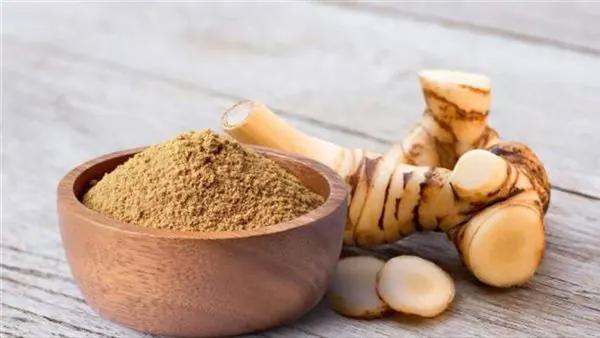
Galangal, known for its strong flavor and aroma, has been used in traditional medicine and Asian cuisine for centuries. It belongs to the ginger family and is commonly used in Southeast Asian cooking. The spice is rich in compounds that have antioxidant, anti-inflammatory, and digestive properties. Galangal is used fresh, dried, or powdered, and is added to various dishes and beverages. Its unique flavor and potential health benefits make it a popular ingredient in many recipes.
One of the traditional uses of galangal is to support digestion. It is often consumed after meals or added to food to alleviate digestive issues such as bloating, gas, and indigestion. The spice contains aromatic compounds that may influence gut movement and secretions. While its effectiveness in treating digestive problems is largely anecdotal, galangal is believed to have a positive impact on digestive health.
Galangal is a rich source of antioxidants, which help protect the body against oxidative stress and damage caused by free radicals. Antioxidants play a crucial role in maintaining overall health, and incorporating galangal into a balanced diet can provide a boost of antioxidants. The spice's antioxidant properties make it a valuable addition to various dishes and recipes.
Research suggests that galangal may have anti-inflammatory properties, which could contribute to its potential health benefits. Studies have identified compounds in galangal that exhibit anti-inflammatory effects, although more research is needed to confirm its efficacy in humans. Galangal's anti-inflammatory properties make it a subject of interest in the study of chronic diseases.
Galangal has been traditionally used to promote oral health, with some studies investigating its antibacterial properties. The spice may help reduce the growth of certain bacteria in the mouth, but it should not replace regular brushing, flossing, and dental care. Galangal's potential oral health benefits make it a useful addition to a healthy diet.
Galangal can be used in various forms, including fresh, dried, or powdered. Fresh galangal can be sliced or grated and added to soups, stews, and stir-fries. Dried galangal can be used to make teas or added to soups and stews. Powdered galangal can be used as a spice to add flavor to dishes. The spice can also be used to make a tea by steeping it in hot water.
While galangal is generally considered safe, excessive consumption may cause stomach upset or allergic reactions in some individuals. Pregnant and breastfeeding women should consult with a healthcare professional before consuming galangal in large quantities or using its extracts. Additionally, individuals taking medications should consult with their healthcare provider before using galangal or its extracts.
Key points
- Galangal has antioxidant and anti-inflammatory properties that may contribute to its potential health benefits.
- The spice has been traditionally used to support digestion and promote oral health.
- Galangal can be used in various forms, including fresh, dried, or powdered, and can be added to a variety of dishes and beverages.