Public health agencies in Kenya have made significant strides in reducing their pending bills, with a combined decrease of Sh30.51 billion in the year to June 2026. According to data from the Controller of Budget, outstanding bills by health-focused State corporations and semi-autonomous government agencies fell to Sh23.61 billion in June 2026, down from Sh54.12 billion in June 2025. This reduction in pending bills is expected to ease the debt burden on hospitals and other suppliers.
The bulk of the decline in pending bills came from the insurance fund, with outstanding bills falling by Sh34.35 billion to Sh7.16 billion under the Social Health Authority. This is a significant drop from Sh41.51 billion under the National Health Insurance Fund in June 2025. The Social Health Authority replaced the National Health Insurance Fund on October 1, 2024, with the government taking over the task of settling the defunct insurer's outstanding claims.
Shortly after the Social Health Authority was launched, the Ministry of Health released Sh9 billion to address outstanding National Health Insurance Fund bills. The ministry later paid Sh8.6 billion towards National Health Insurance Fund debts between September and December 2024. The government has continued to pay the inherited claims, allocating a further Sh4 billion in the 2025/26 financial year to settle verified National Health Insurance Fund bills owed to contracted healthcare facilities.
Despite the progress made, some health agencies have seen an increase in their pending bills. Kenyatta National Hospital recorded a 135 percent increase, with its outstanding bills rising to Sh6.56 billion from Sh2.79 billion in June 2025. The Kenya Medical Supplies Authority increased its unpaid bills by 58 percent to Sh4.39 billion from Sh2.78 billion, while Moi Teaching and Referral Hospital increased its unpaid bills by 24 percent to Sh2.14 billion from Sh1.72 billion.
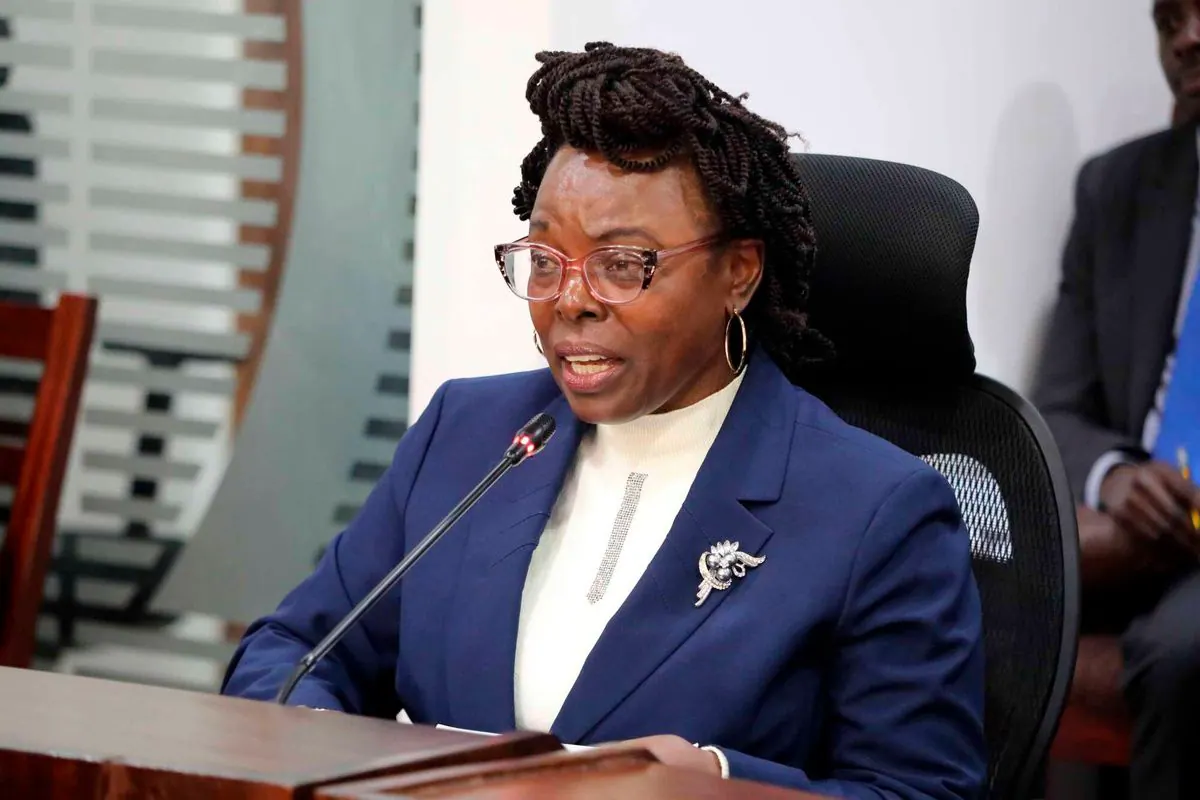
The Controller of Budget, Margaret Nyakang'o, has urged the State to prioritize the pending bills in the current fiscal year. She noted that verified pending bills should be settled on a first-in, first-out basis and adequately budgeted for in the financial year 2026/27, as well as in the medium-term budget framework. The accumulation of unpaid bills has remained a challenge for government agencies, putting pressure on suppliers, contractors, and service providers.
The Kenya Medical Research Institute held pending bills of Sh2.05 billion, which was largely unchanged from the previous year. However, Sh1.45 billion of this amount included penalties. The Kenya Medical Supplies Authority's order turnaround time improved to 27.9 days in the 2025/26 financial year, down from 69 days in 2024/25, though still above the agency's target of 10 days.
The National Treasury has increased the budget for the health sector by Sh29.73 billion to Sh164.92 billion for the 2025/26 financial year, up from Sh135.19 billion. This increase is expected to help address the pending bills and improve the overall healthcare sector in Kenya.
Key points
- Kenyan health agencies reduced pending bills by Sh30.51 billion in the year to June 2026.
- The Social Health Authority replaced the National Health Insurance Fund on October 1, 2024.
- The National Treasury increased the health sector budget by Sh29.73 billion to Sh164.92 billion for the 2025/26 financial year.