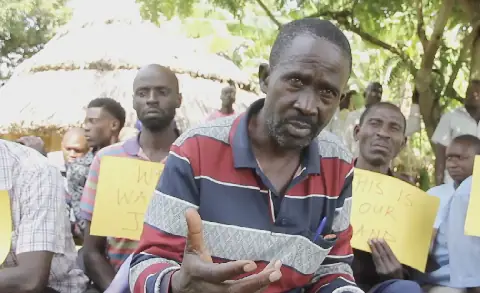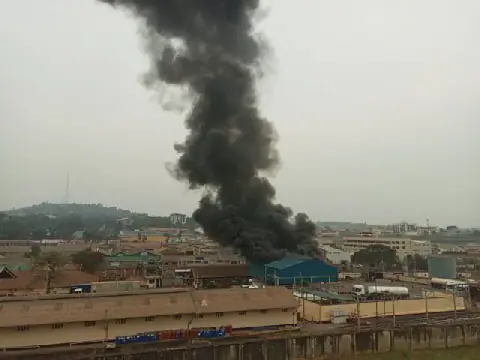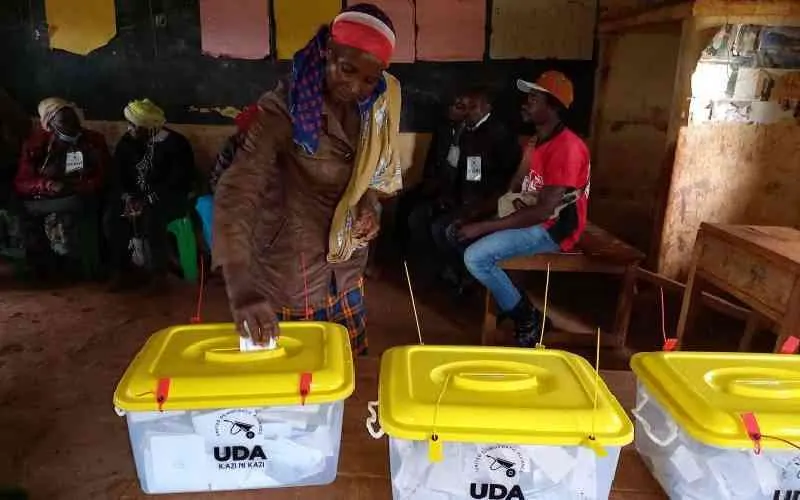
Kenya's peace is coming under renewed threat as the country heads towards the 2027 General Election, with leaders warning that hate speech, misinformation, incitement, and political rivalry could trigger violence if not addressed early. The International Day of Peace in Nairobi saw security officials and peace actors call for urgent measures to prevent election-related violence. They emphasized that lessons from the 2007/08 post-election violence should guide preparations for the next polls.
Kibera Sub-County Deputy County Commissioner Victor Kamonde, who served in areas affected by the 2007/08 violence, recalled the trauma of the clashes and warned Kenyans against allowing political competition to once again divide communities. He recounted how residents fleeing the violence sought refuge in Rangwa, which had remained relatively peaceful, before attackers targeted those who had escaped there. Kamonde's experience demonstrated the consequences of allowing political competition to degenerate into violence.
Kamonde emphasized that peacebuilding must involve communities, particularly women, who often bear the greatest burden when violence erupts. He said women should be actively involved in peace and security processes rather than being left to deal with the consequences of conflict. According to Kamonde, without women, there will be no peace. His comments highlight the crucial role women can play in promoting peace and security.
Peacebuilding organizations have raised concerns over the country's preparedness ahead of the 2027 elections. Elizabeth Rombo of Act Change Transform stated that assessments indicate a potential risk of pre-election violence, with estimates ranging between 70 and 82 percent. Rombo identified the resurgence of goonism and declining trust in institutions as emerging concerns, urging stakeholders to strengthen conflict-prevention mechanisms before political tensions escalate.
Rombo called for greater engagement with key institutions, including the Independent Electoral and Boundaries Commission, the Office of the Registrar of Political Parties, and the Judiciary. She also urged citizens to participate actively in civic processes and use technology to promote conflict prevention rather than spread inflammatory content. The youth and women have emerged as key voices in the call for peaceful elections.
Youth representatives warned against the exploitation of young people by politicians during campaigns. Joyce Wanjiru, a member of the Kibera Sub-County Peace Committee, urged political leaders not to use young people to perpetrate violence. Meanwhile, Stephen Pande of Vote Peace said civil society groups were developing an accountability mechanism to hold political actors and institutions accountable for their roles in safeguarding peaceful elections.
As Kenya prepares for the 2027 polls, peace actors have urged political leaders, communities, religious institutions, women, and youth to take responsibility for preventing violence. Victor Kamonde summed up the message by warning that development cannot be achieved without peace. He urged Kenyans to protect the country's unity and ensure that future generations inherit a peaceful nation.
Key points
- - The 2027 General Election in Kenya poses a risk of violence due to hate speech, misinformation, and political rivalry. - Women and youth have been urged to play a crucial role in promoting peace and security ahead of the 2027 polls. - Peace actors are calling for urgent measures to prevent election-related violence, citing lessons from the 2007/08 post-election violence.