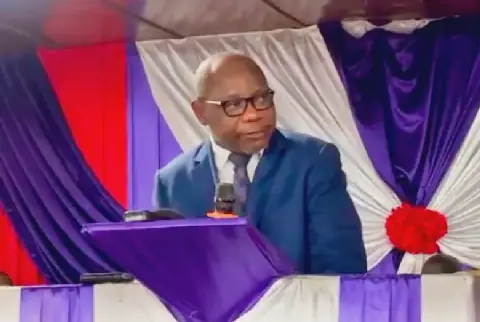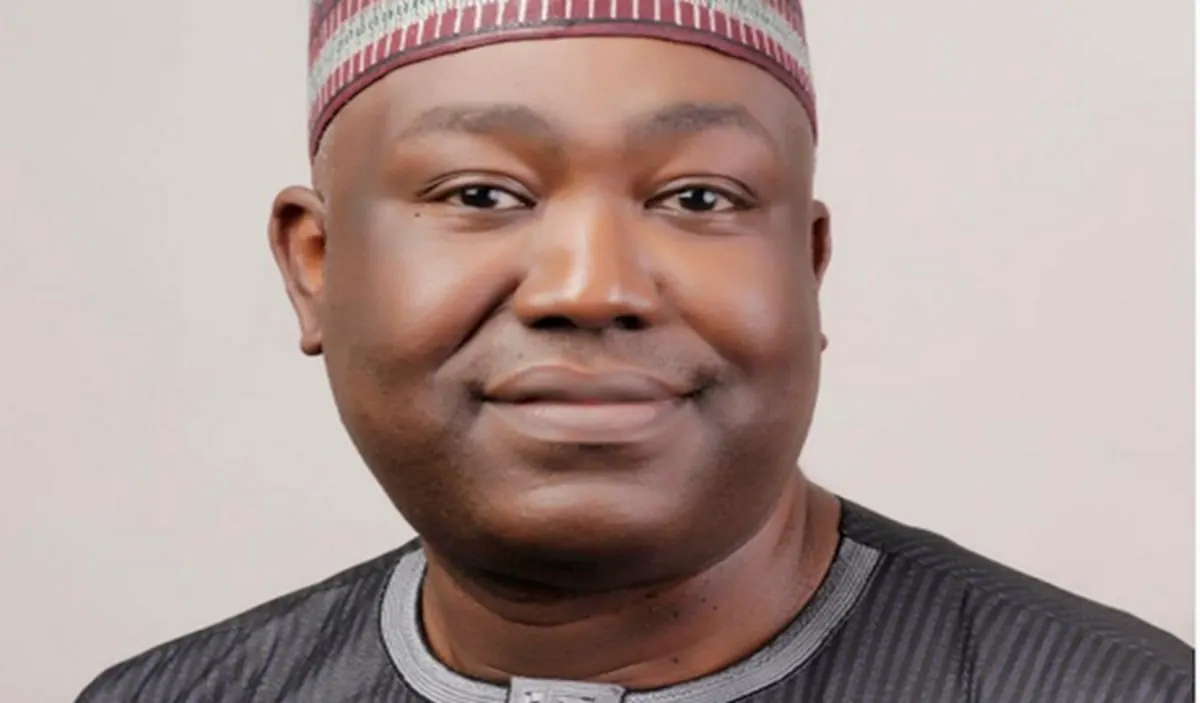
Nigerian presidential candidate, Dr. Gbenga Hashim, has promised to support local refineries, including the Dangote refinery, to access locally produced crude at a strategic domestic price. This move aims to give Nigerian refineries a cost advantage to compete aggressively in sub-regional markets and transform Nigeria into a global energy power. Hashim made this declaration during the Diaspora Dialogue in Ilorin, Kwara State.
Hashim's Energy First policy seeks to reverse Nigeria's economic mistake of treating crude oil primarily as an export commodity instead of using it as the foundation of National Industrial Power. He emphasized that Nigeria's crude is its strategic advantage and will be used to power Nigerian industry. Refining and petrochemical industries are a core part of Hashim's immediate industrialization strategy.
Under Hashim's plan, Dangote Refinery and other qualifying Nigerian refineries will access Nigerian crude under a strategic domestic pricing framework. This framework will allow them to produce competitively, expand aggressively, and conquer international markets. Hashim stressed that the policy is not designed to favor any single company but rather to create an army of Nigerian energy champions.
Hashim also plans to expand Nigeria's domestic refining capacity by an additional one million barrels per day within three years through direct government investment and strategic joint ventures. The objective is to establish Nigeria as Africa's leading refining and petrochemical hub. Hashim aims to use government investment strategically and deploy joint ventures where necessary.
According to Hashim, Nigeria must move beyond becoming self-sufficient in refined petroleum products to becoming a country whose energy companies compete and win globally. He wants Nigerian refineries to supply Africa and Nigerian petrochemical companies to compete globally. Hashim's goal is for Nigerian companies to shape the global energy market.
Hashim proposed recovering approximately 3,000 shut-in and non-producing wells and raising national crude production towards 4 million barrels per day within 24 months of an Accord Party administration. He emphasized that the additional barrels must not simply become additional exports but rather be used to power Nigerian industry.
Hashim doubled down on his proposed ₦605 per litre petrol price, stating that it is a starting point in a transition from subsidizing consumption to building productive capacity. He aims to bring petrol prices down towards ₦200–₦300 per litre as crude production rises, domestic refining expands, efficiency improves, and logistics costs fall.
Key points
- Hashim plans to support local refineries to access crude at a strategic domestic price.
- He aims to expand Nigeria's domestic refining capacity by one million barrels per day within three years.
- Hashim proposes a ₦605 per litre petrol price as a starting point in a transition to building productive capacity.