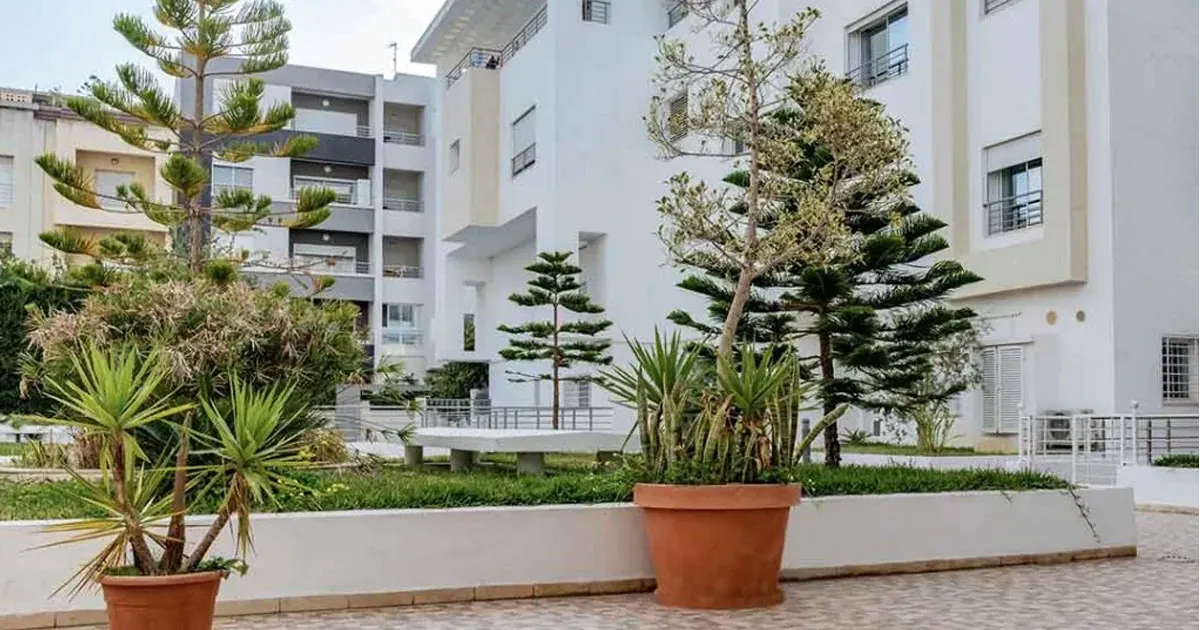
A recent statement by Hachemi Meliani, treasurer of the Tunisian Real Estate Developers' Chamber, has highlighted the struggles of Tunisians in acquiring homes. Approximately 45% of the population does not own their residences, with the dream of homeownership becoming increasingly unattainable. The surge in property prices over the past few years has contributed to this issue, with the cheapest housing options currently priced between 350,000 and 400,000 dinars.
The slowdown in property sales has led to a rise in rental prices, which Meliani described as "socially detrimental." He emphasized that the current situation necessitates a reevaluation of the rent-to-own system, suggesting that its implementation and mechanisms need improvement to make it more appealing to potential homebuyers. This, he believes, could help alleviate the housing crisis.
The announcement by public enterprises of plans to construct 1,200 homes has been met with skepticism by Meliani, who argues that this will not adequately address the housing shortage. He claims that private developers are capable of delivering between 25,000 and 30,000 homes annually, provided that the necessary conditions and framework are in place. This, he asserts, could significantly help bridge the gap between housing supply and demand.
To facilitate the construction of more homes, Meliani has called for a review of certain legislative aspects governing the real estate sector. One proposed change involves allowing property developers to collect rent directly from tenants or through banks, which would enable them to recover their dues and finance new projects. This, he believes, could help stimulate the housing market.
According to Meliani, between 5,000 and 6,000 properties remain unsold in Tunisia. He also noted that there are approximately 3,372 real estate developers in the country, but only about 700 are actively engaged in the sector. The majority of developers are struggling to stay afloat, highlighting the challenges faced by the industry.
The issue of homeownership in Tunisia is further complicated by the fact that many potential buyers are deterred by high property prices. The current market conditions have led to a significant gap between the demand for housing and the available supply. Addressing this imbalance will require a concerted effort from both public and private sector stakeholders.
The Tunisian government and private developers will need to collaborate to find effective solutions to the housing crisis. This may involve revising existing policies, improving the rent-to-own system, and implementing measures to make housing more affordable for the average Tunisian. By working together, it may be possible to increase the availability of homes and help more people achieve their dream of homeownership.
Key points
- The high cost of housing in Tunisia has made it difficult for many citizens to become homeowners.
- Private developers are capable of delivering between 25,000 and 30,000 homes annually.
- The Tunisian government and private developers need to work together to address the housing crisis.