Today marks the 50th anniversary of the death of Mao Zedong, a pivotal figure in modern Chinese history. As the leader of the communist revolution in China, Mao played a crucial role in shaping the country's future. On October 1, 1949, the Chinese People's Liberation Army, led by Mao, entered Beijing, establishing the People's Republic of China and ending the rule of Chiang Kai-shek and his Kuomintang Party. This event marked a significant turning point in Chinese history, with far-reaching consequences for the country and its people.
Mao's influence extends beyond China's borders, with his legacy continuing to be felt globally. The "Three Worlds Theory," developed by Mao, remains a relevant framework for understanding international relations. This theory divides the world into three distinct categories: the First World, comprising great powers seeking dominance; the Second World, consisting of economically advanced countries subordinate to the First World; and the Third World, representing the majority of the world's population and encompassing developing countries. This theory continues to be studied and referenced by scholars, politicians, and international organizations around the world.
In China, Mao is remembered as a liberator who brought an end to a period of internal strife and conflict. He also played a key role in defeating the Japanese invasion and occupation of China, and his efforts to eradicate opium addiction and promote productivity helped transform the country. As a result, many Chinese people continue to regard Mao as a national hero, crediting him with elevating the value of human labor and promoting self-reliance. His legacy remains an integral part of Chinese social and political culture, with ongoing debates and discussions about his role and impact.
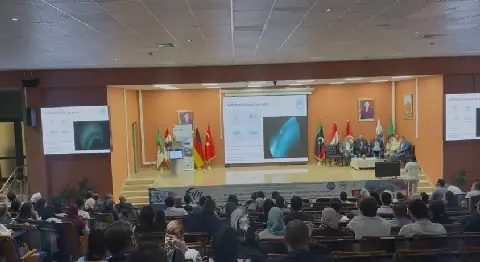
The international community has also taken notice of Mao's legacy, with many events and conferences being held to mark the occasion of his 50th anniversary. Universities and research centers worldwide have organized academic inquiries to study Mao's thought, role, influence, and legacy in China, Asia, and globally. These events demonstrate the enduring interest in Mao's ideas and their continued relevance in today's world. Furthermore, Mao's influence can be seen in the policies and actions of countries in the Global South, who continue to draw on his ideas about self-reliance and development.
Mao's impact on the global communist movement and left-wing circles is undeniable. His ideas and legacy continue to inspire and influence politicians, scholars, and activists around the world. The ongoing debate about Mao's role and impact reflects the complexity and nuance of his legacy, with different perspectives and interpretations emerging. As the world continues to evolve and change, it is clear that Mao's legacy will remain a subject of interest and discussion for years to come.
In the years following Mao's death, China has undergone significant economic and social changes, with the country emerging as a major global player. Despite these changes, Mao's legacy remains an important part of Chinese identity and culture. His emphasis on self-reliance, hard work, and social equality continues to resonate with many Chinese people, who see him as a champion of the common people. As China continues to navigate its role in the world, it is clear that Mao's ideas and legacy will remain relevant.
As the world reflects on Mao's legacy, it is clear that his impact extends far beyond China. His ideas about development, self-reliance, and international relations continue to influence global politics and scholarship. While opinions about Mao's legacy vary widely, it is undeniable that he played a significant role in shaping the modern world. As we look to the future, it is essential to understand and appreciate the complexities of Mao's legacy, both in China and around the world.
Key points
- Mao Zedong's legacy continues to shape China's identity and culture
- The "Three Worlds Theory" remains a relevant framework for understanding international relations
- Mao's ideas about self-reliance and development continue to influence global politics and scholarship