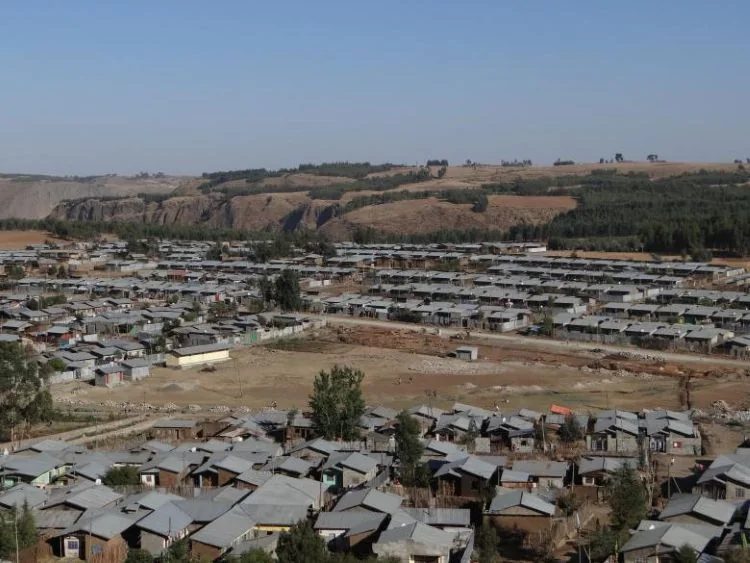
A recent global study by Habitat for Humanity International has revealed that 63 per cent of Ethiopian respondents are dissatisfied with their housing, significantly higher than the 35 per cent global average. The study, titled “Home at What Cost?”, surveyed over 30,000 people across 22 countries, including Ethiopia. This finding highlights a pressing issue in the country, where housing conditions are a major concern for many citizens.
The study notes that dissatisfaction with housing is particularly acute in informal settlements, where 74 per cent of residents reported being unhappy with their housing conditions. Safety concerns are a major factor, with over half of Ethiopian respondents saying they do not feel safe at home. This is often due to insecure doors, windows or boundaries, which 49 per cent of respondents cited as a concern, compared to 32 per cent globally.
Climate-related issues also play a significant role in housing dissatisfaction. Extreme weather affects 35 per cent of respondents overall, and 39 per cent of low-income households, highlighting gaps in climate-resilient shelter. The report links housing deficits to broader challenges such as overcrowding, ageing stock, and rapid urbanisation, which strain families’ health, finances, and future prospects.
The impact of housing costs on families is substantial, with more than one-third of respondents identifying housing as a major source of stress. Many report cutting back on other expenses or taking extra work to meet housing costs, which can complicate family formation. Yitna Tekaligne, National Director and Representative to the African Union for Habitat for Humanity Ethiopia, emphasised that affordable, climate-resilient housing is essential for inclusive growth and family wellbeing.
The study, released on World Habitat Day, underscores the interconnection between housing and development goals, noting that investment in decent shelter yields benefits for health, education, livelihoods, and economic growth. The findings highlight the need for policymakers and stakeholders to address the housing deficit and provide affordable, climate-resilient housing options.
Habitat for Humanity International’s survey provides valuable insights into the housing challenges faced by Ethiopians. The organisation’s work focuses on providing affordable housing and promoting sustainable development. The study’s findings are expected to inform policy and programming efforts aimed at addressing the housing deficit and promoting inclusive growth.
The release of the study coincides with World Habitat Day, an annual event that highlights the importance of adequate housing and sustainable urban development. The event provides an opportunity for stakeholders to reflect on the challenges and opportunities in the housing sector and to explore solutions to address the housing deficit.
Key points
- 63 per cent of Ethiopian respondents are dissatisfied with their housing.
- Safety concerns and climate-related issues are major factors in housing dissatisfaction.
- Affordable, climate-resilient housing is essential for inclusive growth and family wellbeing.