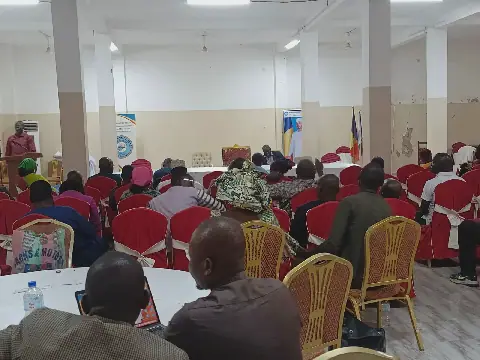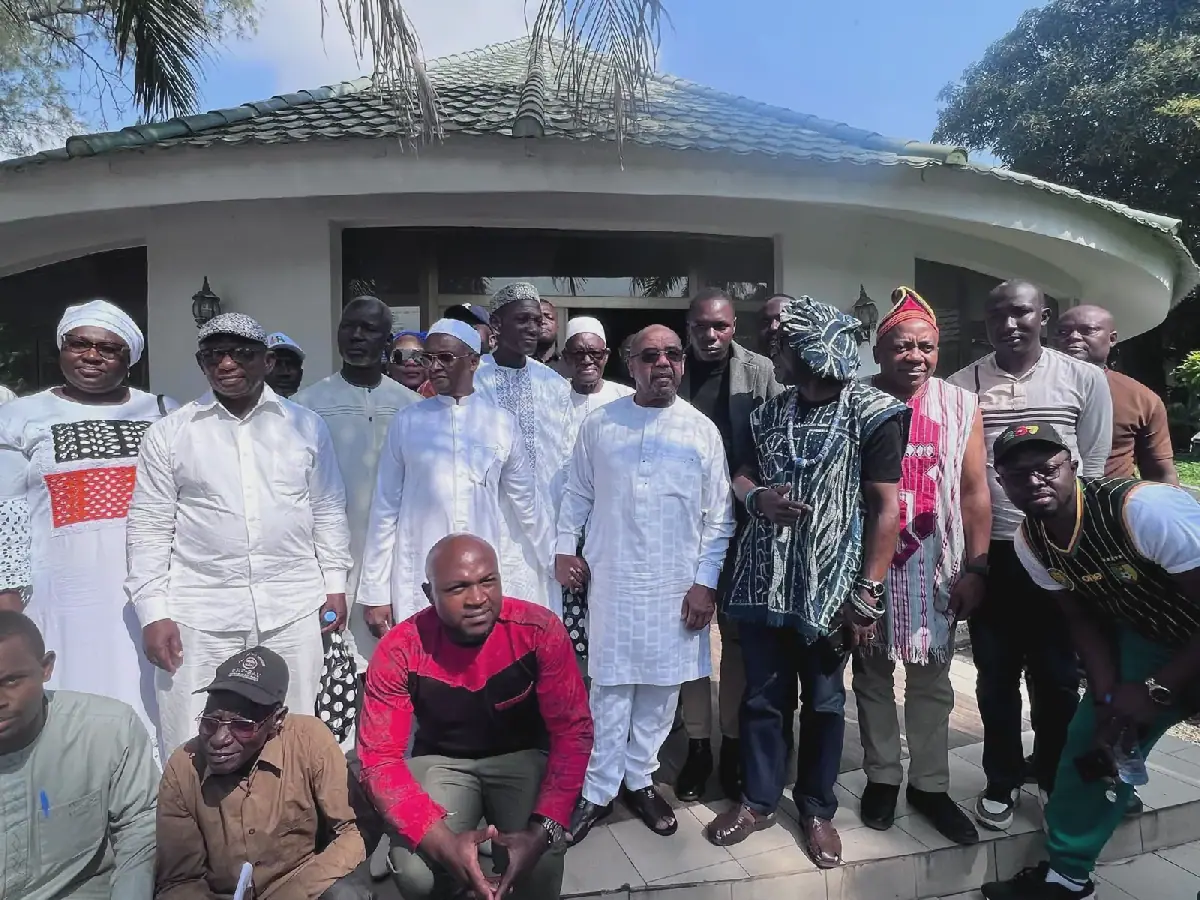
On November 7, 2026, a commemorative ceremony was held at the Boulbinet cemetery in Kaloum, Conakry, to mark the 66th anniversary of the assassination of Félix-Roland Moumié, a Cameroonian pan-Africanist hero. The event was organized by the Revolutionary Inter-African Movement (MRI) and the Network for Citizens' Education for Integration and Promotion of Excellence in Africa (RECIPE Africa), in collaboration with the Cameroonian community living in Guinea. The ceremony brought together Cameroonians and Guineans to pay tribute to Moumié's memory, his fight for independence, and his ideals of African emancipation.
The ceremony also honored Marcel Kengué, who passed away on June 8, 2026, in Brussels. Saïdou Camara, president of MRI, emphasized that commemorating Moumié's death is not just about remembering a person, but about transmitting the values he embodied in his fight for sovereignty and independence to current generations. Camara highlighted Moumié's role as a sovereignist and independence activist who fought against imperialism in Cameroon.
Gaël Djomo, former secretary-general of the Association of Cameroonian Residents in Guinea, stressed that the commemoration is a duty of memory towards Moumié, who is considered one of the key figures in the fight for Cameroon's liberation. Djomo praised the Guinean people and authorities for allowing the ceremony to take place and called for renewed relations between Cameroon and Guinea, marked by periods of tension and misunderstanding.
Djomo advocated for a new dynamic between the two countries, encouraging authorities and intellectuals to meet and discuss ways to strengthen their relations. He believes that this commemoration is a call for solidarity and African unity, and that it is essential for Cameroonian and Guinean authorities to engage in dialogue to build a solid cooperation between the two nations.
Mohamed Touré, son of Guinea's first president Ahmed Sékou Touré, recalled the historical ties between Guinea and Moumié's memory. He highlighted that Moumié's assassination was linked to Guinea, as he was poisoned and brought to Conakry to die, with the aim of accusing Guinea of executing the assassination. Touré also emphasized the significance of the commemoration, given the history of African fighters who found refuge or support in Guinea during their liberation struggles.
The commemoration is seen as a way to keep Moumié's legacy alive and to continue his fight for African unity and independence. Participants believe that the event will help to strengthen ties between Cameroon and Guinea and promote a deeper understanding of their shared history. The ceremony included a wreath-laying ceremony and a tribute to Moumié's memory.
The event demonstrated the ongoing relevance of Moumié's ideals and the continued importance of pan-Africanism in modern times. The commemoration serves as a reminder of the shared struggles and histories of African nations and the need for continued solidarity and cooperation.
Key points
- The commemoration of Félix-Roland Moumié's assassination highlights the ongoing importance of pan-Africanism and African unity.