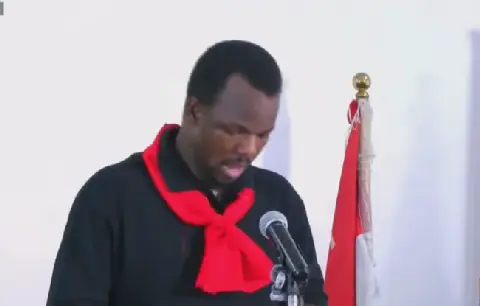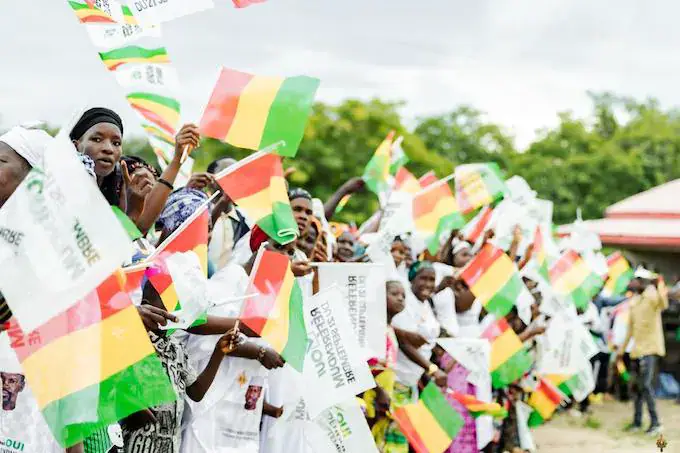
The youth of Guinea are facing significant challenges that require collective attention and action. According to Fallou Doumbouya, the Attorney General, the state spends substantial resources on investigating crimes, prosecuting offenders, and providing prison care, which could otherwise be allocated to essential social infrastructure such as schools and hospitals. This reality highlights the need for a more proactive approach to addressing the root causes of crime and addiction.
The struggle against drug addiction and crime is closely linked to the availability of education and opportunities for personal growth. Doumbouya's statement underscores the importance of redirecting resources towards prevention and education. By investing in the youth, the government can help them make informed choices about their future and avoid paths that lead to addiction and crime. Education is seen as a key factor in empowering young people to make positive decisions.
Reading and education offer a powerful alternative to the allure of drugs and crime. Through reading, young people can explore new worlds, discover different cultures, and gain knowledge without compromising their health or future. Books can inspire new ideas, foster ambition, and transform perspectives. By engaging with books and educational materials, young Guineans can expand their possibilities and develop a more nuanced understanding of their place in society.
The Guinean youth are diverse, comprising students, apprentices, entrepreneurs, artists, and workers who are striving to succeed in life. However, many face challenges such as unemployment, poverty, and social pressure. These difficulties require a compassionate and supportive response that acknowledges the complexities of their situation. The government and civil society must work together to provide opportunities for education, training, and social insertion.
The role of the state in addressing the challenges faced by Guinean youth is crucial. The government has a responsibility to provide guidance, protection, and resources to help young people make informed choices about their future. By strengthening institutions and promoting education, the state can help create an environment that supports the growth and development of its youth. Prevention and early intervention are essential in addressing the root causes of addiction and crime.
A collective effort is required to address the challenges faced by Guinean youth. Parents, educators, community leaders, and institutions must work together to provide support, guidance, and opportunities for young people. By promoting education, reading, and personal growth, the youth of Guinea can develop the skills and confidence needed to succeed in life. The government and civil society must collaborate to create a society that protects and empowers its youth.
The future of Guinean youth depends on the choices they make today. By prioritizing education, reading, and personal growth, young people can unlock their potential and contribute to the development of their communities and country. The government and civil society must work together to create an environment that supports the growth and development of its youth, providing opportunities for education, training, and social insertion.
Key points
- The state spends substantial resources on investigating crimes, which could otherwise be allocated to essential social infrastructure such as schools and hospitals.
- Education and reading offer a powerful alternative to the allure of drugs and crime, empowering young people to make positive decisions about their future.
- A collective effort is required to address the challenges faced by Guinean youth, including the government, civil society, parents, educators, and community leaders.