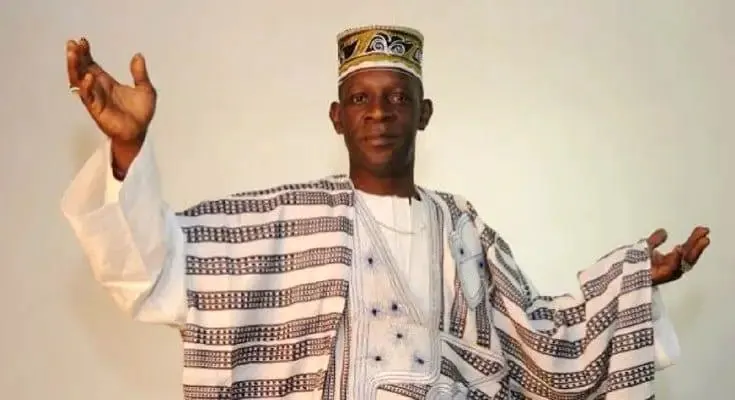
Guinean singer Lama Sidibé recently shared the story behind his 2010 song "Berdè an den waalikè", which he dedicated to Cellou Dalein Diallo, the leader of the dissolved UFDG party. In an interview on West Africa TV's "Star en ligne" show, Sidibé revealed that he was inspired to write the song after being approached by Rama Dalein Diallo, Cellou's daughter. She had asked him why he wasn't singing about her father, and he agreed to compose a song in his support.
According to Sidibé, his decision to write the song was not motivated by financial gain, but rather by his relationship with Rama Dalein Diallo. He explained that she had traveled from France to Guinea and had personally asked him to create a song for her father. Sidibé emphasized that his engagement was an artistic expression of support, rather than a commercial venture. The song became a huge hit and helped to boost Cellou Dalein Diallo's popularity during the 2010 presidential campaign.
When asked about the benefits he received in return for his song, Sidibé highlighted the recognition and applause he received from the public. He stated that as an artist, the appreciation of his audience is the greatest reward. However, when pressed about whether he received material rewards such as cars, houses, or land, Sidibé simply replied that "I have the world." This enigmatic response sparked curiosity about the nature of his relationship with Cellou Dalein Diallo.
Sidibé went on to clarify that he did benefit from opportunities and recognition from Cellou Dalein Diallo, but denied receiving any tangible assets. He emphasized that if he had received properties or vehicles, he would not still be renting a place. The singer's comments aim to dispel rumors that he was rewarded with substantial gifts for his support. Sidibé's account provides a unique insight into the dynamics between artists and politicians in Guinea.
The singer's recollections contradict previous speculations about the rewards he allegedly received for his song. Some had claimed that he was given houses, land, or vehicles in appreciation of his support. Sidibé's denial of these claims aims to set the record straight. He acknowledged that Cellou Dalein Diallo was grateful for his support, but maintained that this gratitude did not translate into material possessions.
Sidibé's experience highlights the complexities of artistic engagement in politics. His song "Berdè an den waalikè" became an anthem for Cellou Dalein Diallo's campaign, but the singer's own expectations and rewards were apparently different from what the public assumed. The story also underscores the significance of understanding the nuances of artistic expression and the motivations behind creative works.
The interview has generated significant interest in Guinea, with many fans and observers reflecting on the intersections between art, politics, and personal relationships. As a prominent artist, Sidibé's account provides valuable insights into the often-opaque world of artistic collaborations with politicians. His story serves as a reminder that there is often more to the story than what appears on the surface.
Key points
- Lama Sidibé composed his hit song "Berdè an den waalikè" in 2010 in support of Cellou Dalein Diallo's presidential campaign.
- Sidibé denied receiving material rewards such as houses, land, or vehicles for his song, but acknowledged the recognition and opportunities he received from Cellou Dalein Diallo.
- The singer's account highlights the complexities of artistic engagement in politics and the nuances of creative expression.