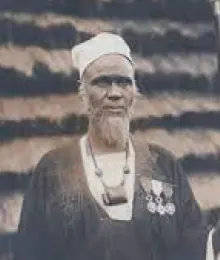
On September 27, a Guinean researcher presented a conference in Brussels on the history of Almamy Bokar Biro Barry, a prominent figure in Guinea's resistance to colonial rule. The event was organized by the association Wontanara, which translates to "we are together" in the local Soussou language. Wontanara aims to promote the transmission and reflection of African history, regularly hosting writers, researchers, and academics to share their experiences. The researcher's presentation focused on the life and legacy of Almamy Bokar Biro Barry, whose remains are currently held in the Musée de l'Homme in Paris.
The researcher's work on Almamy Bokar Biro Barry has evolved significantly since their initial studies in 2022. New sources and documents have been identified, and further research is ongoing. The conference provided an opportunity to share these new findings and emphasize the need for continued research and verification of information. The researcher stressed the importance of distinguishing between documented facts, oral traditions, and unsubstantiated claims. For instance, the claim that Almamy Bokar Biro Barry's mother carried his severed head on a platter to present to French colonizers has been widely circulated but lacks concrete evidence.
The conference sparked a lively discussion on the composition and functioning of scientific committees related to the repatriation of human remains. The researcher clarified that they are not part of the committee established to address this issue but emphasized that research should not be confined to institutional or geographical boundaries. The researcher expressed their commitment to continuing their work independently, utilizing newly accessed documents to further explore the history of Almamy Bokar Biro Barry.
The conference also highlighted the growing interest in Almamy Bokar Biro Barry's legacy, with several individuals claiming descent from him. The researcher engaged in meaningful exchanges with some of these individuals, including Fatima Barry Diallo, who is based in the United States. These interactions underscored the need for thorough genealogical and historical research to verify these claims. The researcher noted that the memory of Almamy Bokar Biro Barry extends beyond national borders and families, continuing to evolve through generations and diasporas.
The researcher took the opportunity to clarify their own position, speaking as an anthropologist, independent researcher, and descendant of Almamy Bokar Biro Barry. They emphasized the importance of distinguishing between these roles and avoiding any perception of a monopoly on the historical figure's memory. The researcher's primary goal is to conduct rigorous research and advocate for the return of Almamy Bokar Biro Barry's remains to their country of origin.
The researcher expressed a deep personal connection to Almamy Bokar Biro Barry, having grown up with stories of his bravery and resistance. They stressed that their efforts to preserve his memory are driven by a sense of responsibility rather than personal recognition. The researcher hopes that Almamy Bokar Biro Barry's remains will be returned to Guinea, with Timbo or Conakry being potential locations for their repatriation and conservation.
Ultimately, the researcher emphasized that the repatriation of Almamy Bokar Biro Barry's remains is a matter of historical significance and cultural importance. The return of these remains would not only honor the historical figure but also contribute to the preservation of Guinea's cultural heritage. The researcher's work serves as a testament to the ongoing efforts to uncover and share the stories of Africa's rich history.
Key points
- Researcher advocates for return of Almamy Bokar Biro Barry's remains to Guinea
- Conference in Brussels highlights need for continued research and verification of information
- Almamy Bokar Biro Barry's legacy extends beyond national borders and families