On October 4, 2026, President Mamadi Doumbouya of Guinea issued a decree granting clemency to over 200 inmates in celebration of the country's 68th independence anniversary. This move has brought relief to several families, as Aliou Bah, president of the Movement Democratic Liberal (MODEL), was among those who benefited from the presidential pardon. Aliou Bah had been in detention for 22 months, a period that has now come to an end.
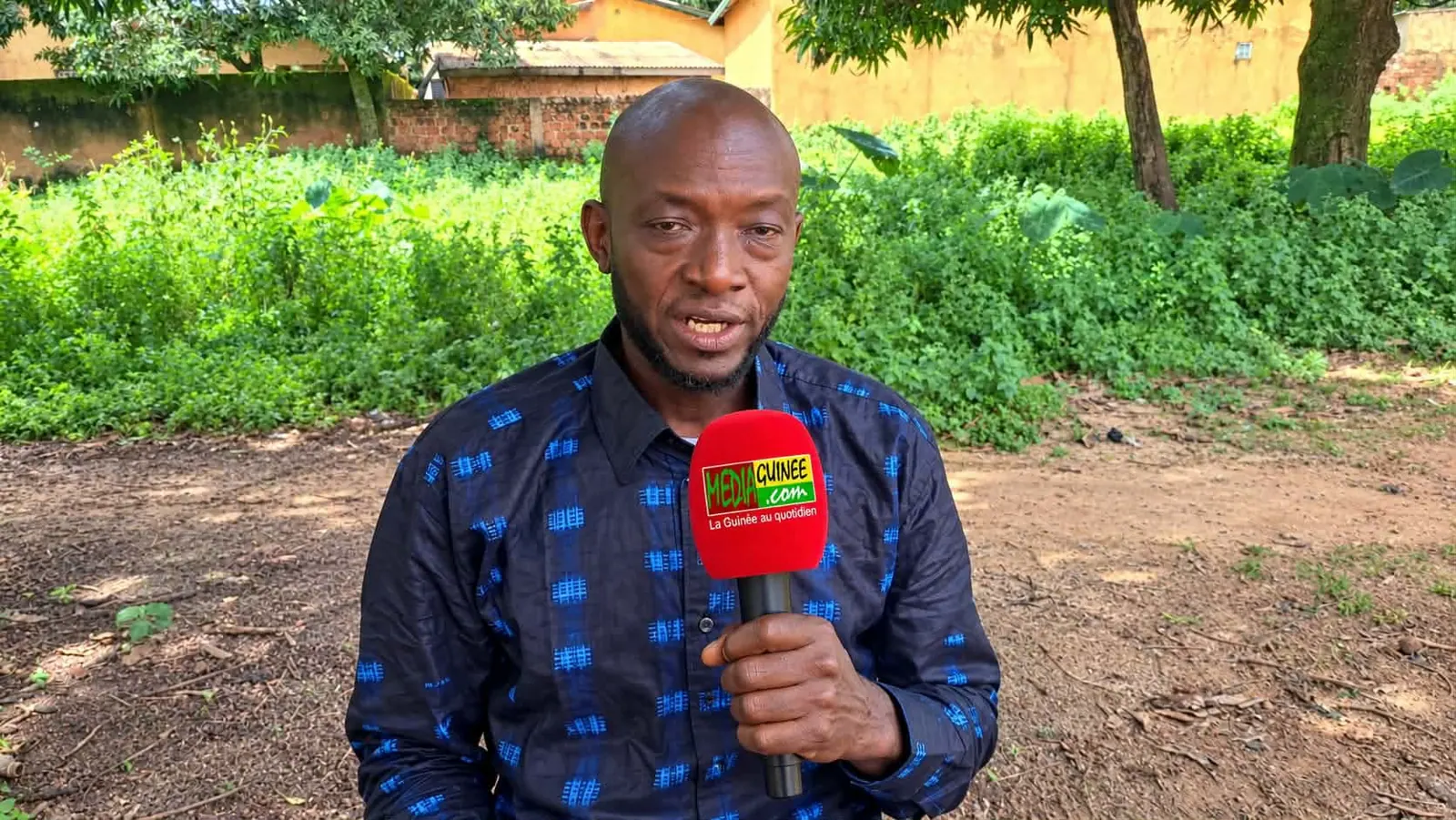
The clemency granted to Aliou Bah has elicited mixed reactions from his supporters. Aliou Dallein Baldé, a MODEL militant in Labé, expressed a mix of joy and concern over the development. While he was relieved that his leader was finally free, he regretted the circumstances surrounding Bah's detention and subsequent condemnation, which he described as arbitrary. Baldé emphasized the importance of addressing the political implications of the clemency.
According to Aliou Dallein Baldé, the clemency granted to Aliou Bah does not necessarily imply his complete exoneration. Bah's case is still pending at the Cour suprême, and his conviction could potentially bar him from participating in future elections. Baldé expressed worry that the MODEL leader might be excluded from the electoral process due to his current judicial status.
Aliou Dallein Baldé also stressed the need for the implementation of a decision made by the Cour de justice de la CEDEAO regarding Aliou Bah's case. The regional court's ruling called for Bah's release, recognition of the arbitrariness of his condemnation, symbolic compensation, and the expunging of his criminal record. Baldé noted that the presidential clemency did not address these specific requirements.
The MODEL militant urged that Aliou Bah's liberation should be followed by further actions to fully address the injustices he suffered. This includes the implementation of the CEDEAO court's decision to ensure that Bah's rights are fully restored. The situation highlights the complexities surrounding the exercise of presidential clemency and the need for comprehensive justice.
The granting of clemency to Aliou Bah and other inmates raises questions about the broader implications for Guinea's justice system and political landscape. As the country navigates its democratic path, the interplay between executive powers and judicial processes continues to be a subject of scrutiny. The case of Aliou Bah underscores the challenges of balancing political considerations with the pursuit of justice.
The release of Aliou Bah and over 200 other inmates marks a significant event in Guinea's recent history. As the country moves forward, stakeholders will be watching closely to see how such decisions impact the nation's democratic development and the rule of law. The situation will likely continue to evolve, with ongoing attention to the cases of those affected by the clemency and the broader quest for justice and accountability.
Key points
- President Mamadi Doumbouya grants clemency to over 200 inmates, including Aliou Bah, leader of the Movement Democratic Liberal (MODEL).
- Aliou Bah's detention was deemed arbitrary by his supporters, who are now seeking full implementation of a regional court's decision to clear his name.
- The clemency has raised questions about its implications for Bah's future participation in elections and the broader impact on Guinea's justice system.