Guinean deputy Ousmane Kaba has expressed concerns over the country's ability to export electricity to neighboring countries while its capital city struggles with power supply. During a parliamentary session on October 31, Kaba questioned the government's revenue from electricity exports, citing Guinea's own difficulties in providing reliable electricity to its capital. He emphasized that the country is a significant exporter of electricity to Senegal, Gambia, and Guinea-Bissau.
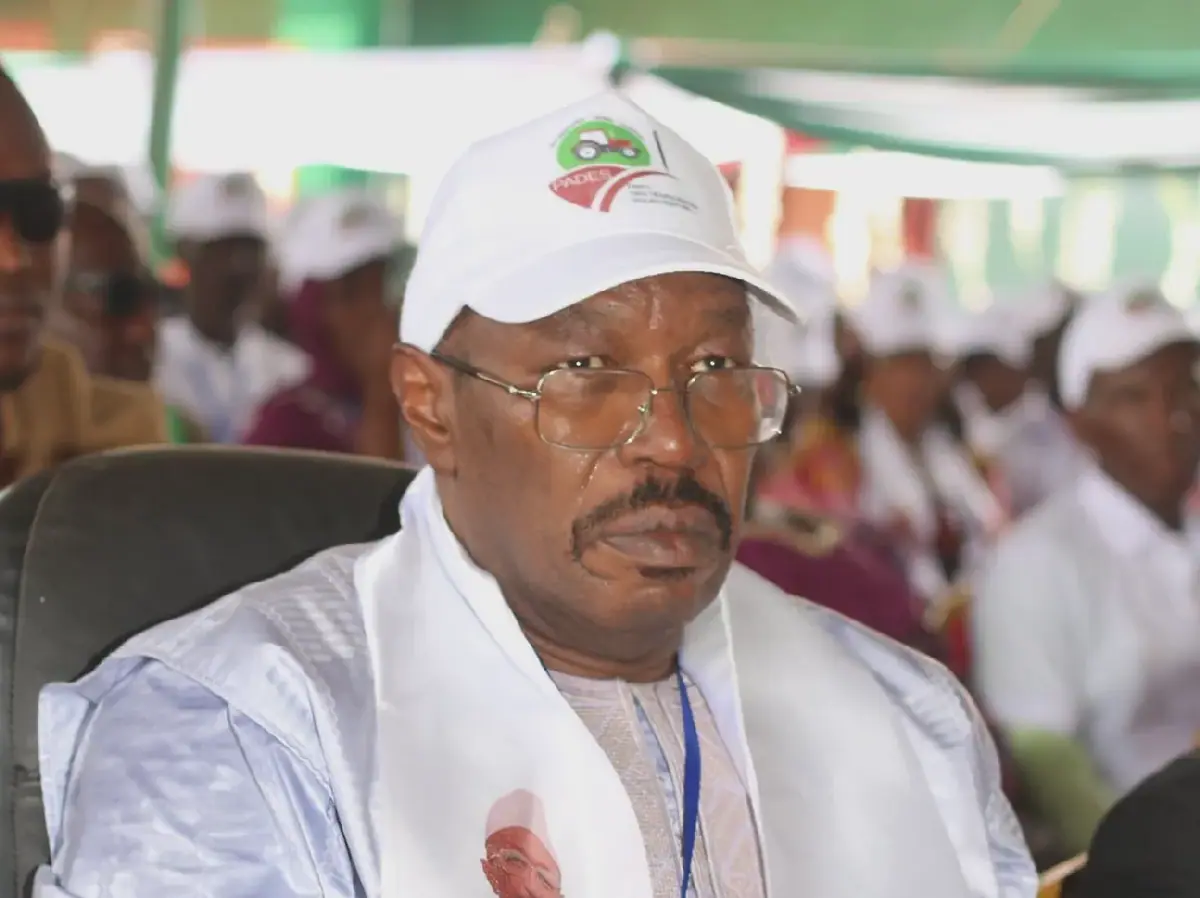
Kaba, leader of the Parti des démocrates pour l’espoir (PADES), revealed that he had previously discussed the issue with the Minister of Energy, who attributed the export agreements to previous administrations. The minister stated that the current government had inherited these agreements. However, Kaba argued that this explanation was unsatisfactory, citing instances where previous agreements had been renegotiated or terminated.
The deputy also inquired about the revenue generated from electricity exports with the Minister of Finance. According to Kaba, the minister was unable to provide information on the specific line item in the budget where these revenues were accounted for. This lack of transparency has raised concerns about the management of Guinea's electricity resources.
Kaba described the situation as "very paradoxical," given that Guinea struggles to provide reliable electricity to its capital city while exporting power to neighboring countries. He emphasized that the country needs to prioritize its own energy needs before exporting electricity. The issue has sparked debate about Guinea's energy priorities and the management of its electricity resources.
The country's energy challenges are well-documented, with frequent power outages and shortages in the capital city. Despite its rich natural resources, Guinea faces significant development challenges, including a shortage of reliable electricity. The government's ability to manage the country's energy resources effectively has been questioned by citizens and politicians alike.
Kaba's concerns have highlighted the need for greater transparency and accountability in the management of Guinea's electricity resources. The government has faced criticism for its handling of the energy sector, with many calling for reforms to address the country's power shortages. The issue is likely to continue to be a topic of debate in the coming months.
The export of electricity to neighboring countries has been an important source of revenue for Guinea. However, Kaba's comments have raised questions about the sustainability of this approach, given the country's own energy challenges. The government will need to balance its energy priorities with the need to generate revenue from its natural resources.
Key points
- Guinean deputy Ousmane Kaba questions government's revenue from electricity exports amid capital city power struggles.
- Kaba criticizes government's handling of energy sector, citing paradox of exporting electricity while facing power shortages at home.
- Issue highlights need for greater transparency and accountability in management of Guinea's electricity resources.