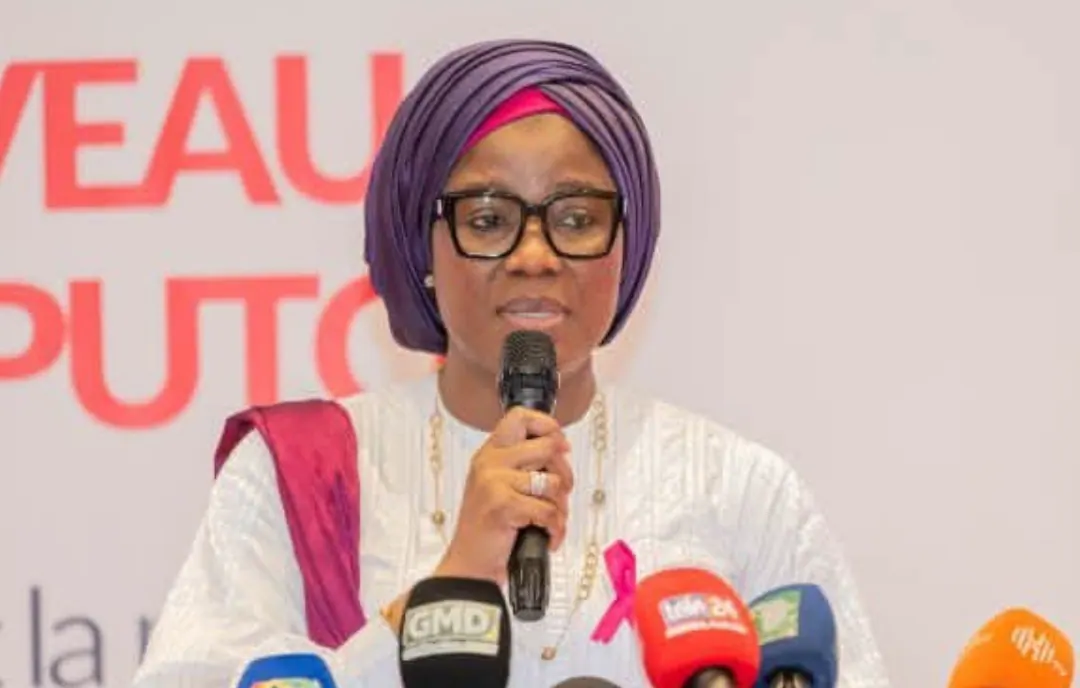
Guinean Minister of Women, Family, and Solidarity Aminata Kaba has called for more concrete actions to promote women's rights and girls' empowerment. This appeal comes after a high-level roundtable discussion on the ratification, domestication, and implementation of the Maputo Protocol in Francophone African countries. The meeting, held in Conakry on October 7, brought together government representatives, parliamentarians, civil society members, and technical and financial partners. They discussed challenges related to the effective application of the Maputo Protocol.
Minister Kaba emphasized that adopting texts is not enough to guarantee their implementation. "Having texts, signing them, and ratifying them is good, but implementation remains a huge challenge," she stated during the closing ceremony. According to Kaba, implementation must consider the specific realities of each African society, including sociocultural differences, linguistic barriers, and communication methods. She stressed that if the texts are not understood by all stakeholders, they become difficult to implement.
The Minister highlighted the importance of collective responsibility in promoting women's rights. She noted that the Maputo Protocol was written by Africans and for Africans, but difficulties persist in its implementation. Kaba called on actors to put aside their differences and unite their efforts to defend women's rights. She regretted that instead of working together, they often focus on criticizing each other. According to Kaba, this responsibility lies with all components of society, including the government, parliament, civil society, religious and customary leaders, and technical and financial partners.
Aminata Kaba also emphasized the role of religious and customary leaders in African societies. She believes that respecting cultural realities is essential for the appropriation of texts. The Minister discussed the issue of female genital mutilation (FGM), calling for improved data collection and reporting mechanisms. She noted that some countries that have ratified conventions on women's rights still have high levels of FGM prevalence.
Kaba questioned the quality of available data and reports transmitted to competent instances. She suggested that some countries may not be reporting accurately, making their statistics appear better than they are. The Minister called for strengthening data collection and transmission to competent authorities, particularly the African Union. She also emphasized the need for increased awareness and education at all levels of society.
According to Kaba, the fight for women's rights cannot be effective without increased awareness. She recommended strengthening actions in schools, markets, and other spaces frequented by young girls. This awareness should also target men, using dialogue and adapting language to sociocultural realities. Kaba called for a better coordination between NGOs and civil society organizations to avoid competition and promote data aggregation.
Aminata Kaba invited each actor to reflect on what they can concretely do to improve the situation of women. She asked participants to consider what actions they can take, personally, within their families, and in society. The Minister emphasized the need for concrete acts and actions, particularly in promoting women's economic empowerment through access to financing. She expressed the Guinean government's willingness to promote women's rights, citing President Mamadi Doumbouya's commitment to dedicating his term to women's promotion.
Key points
- Guinean Minister Aminata Kaba calls for concrete actions to promote women's rights and girls' empowerment.
- Implementation of the Maputo Protocol remains a huge challenge, requiring consideration of sociocultural differences and collective responsibility.
- Increased awareness, education, and coordination are necessary to promote women's rights and prevent practices like female genital mutilation.